

Clothing Production Cost Breakdown: From Fabric to Final Product
Understanding the clothing production cost breakdown is one of the most important steps for any fashion brand owner or startup. Before a garment reaches your customer, it goes through a series of cost layers—from raw materials to final delivery. Knowing how each component contributes to the total apparel production cost allows you to price your products strategically, maintain healthy margins, and scale your business with confidence.

For many emerging brands, pricing is often based on guesswork or competitor comparison. But behind every successful clothing brand is a clear understanding of the garment cost structure—what drives cost, where efficiencies can be gained, and how to balance quality with profitability.
This guide will walk you through a complete, practical breakdown of clothing production costs—from fabric selection to the final packaged product.
What Is Clothing Production Cost?
The clothing production cost refers to the total expenses involved in manufacturing a garment, including materials, labor, overhead, and logistics.
In simple terms, it includes:
- Material costs (fabric, trims)
- Labor costs (cutting, sewing, finishing)
- Manufacturing overhead
- Packaging
- Shipping and logistics
Each component of the clothing production cost breakdown plays a role in determining your final product price—and ultimately, your profit margin.
1. Fabric Cost: The Largest Cost Driver
Fabric is typically the biggest contributor in the apparel production cost structure, often accounting for 40%–60% of total cost.
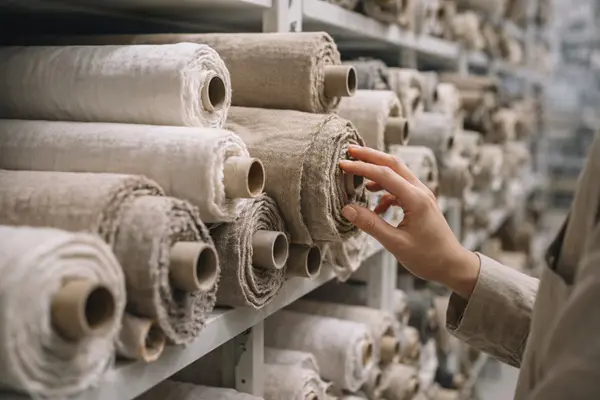
What influences fabric cost:
- Fabric type (cotton, polyester, linen, blends)
- Fabric quality (premium vs standard)
- GSM (weight)
- Dyeing and finishing processes
- Supplier location
For example, organic cotton or specialty fabrics will significantly increase your garment cost structure, while basic polyester blends may reduce cost but impact perceived quality.
Practical Insight:
Choosing fabric is not just about aesthetics—it’s a financial decision. A small increase in fabric cost can significantly affect your overall pricing strategy.
2. Trims and Accessories
Trims are often overlooked, but they are an essential part of the clothing production cost breakdown.
Includes:
- Buttons
- Zippers
- Labels (brand label, care label)
- Threads
- Packaging tags
Cost Contribution:
Typically 5%–10% of total apparel production cost
While individually small, trims can add up—especially for detailed designs.
Insight:
Premium trims elevate brand perception, but overusing them can unnecessarily increase cost without adding proportional value.

3. Labor Cost: Turning Materials into Garments
Labor is a core component of the garment cost structure, covering all stages of production.
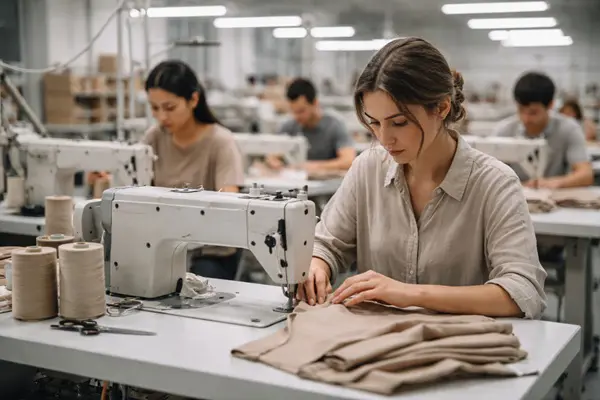
Includes:
- Cutting
- Sewing
- Finishing
- Quality control
What affects labor cost:
- Complexity of design
- Number of operations required
- Skill level of workers
- Production location (local vs overseas)
Cost Contribution:
Around 20%–35% of total clothing production cost
Insight:
Simple designs are not only easier to produce—they are more cost-efficient. Complex construction increases labor time, which directly increases cost.
4. Manufacturing Overhead
Overhead refers to indirect costs involved in the apparel production cost that are not tied to a single garment.
Includes:
- Factory rent
- Utilities (electricity, water)
- Machine maintenance
- Management and supervision
Cost Contribution:
Typically 10%–20%
Insight:
Overhead is often built into the manufacturer’s pricing. While you don’t see it directly, it significantly affects your final cost.
5. Sampling and Development Cost
Before mass production, every garment goes through a sampling process—an essential part of the clothing production cost breakdown.
Includes:
- Prototype development
- Pattern making
- Sample revisions
Insight:
Sampling may feel like an extra cost, but it actually prevents expensive mistakes during production.
For startups, this is an investment in product quality and brand credibility.
6. Cutting and Production Efficiency
Fabric cutting is part of the production process that directly impacts material usage.
Key factor:
- Fabric utilization efficiency
Poor cutting layouts can increase fabric waste, raising your garment cost structure unnecessarily.
Insight:
Efficient factories optimize fabric usage, which can reduce total production cost without affecting quality.
7. Quality Control Cost
Quality control ensures that your final product meets your brand standards.
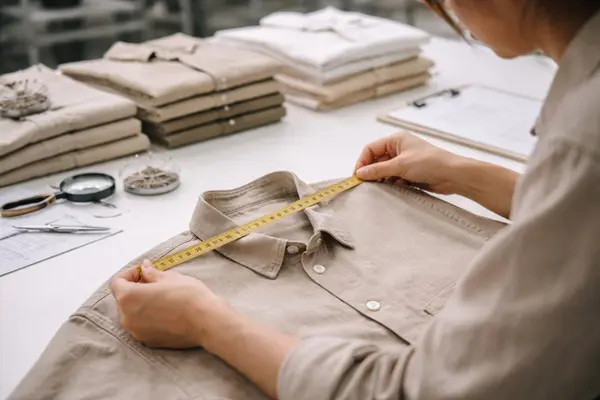
Includes:
- Inline inspection
- Final inspection
- Defect handling
Insight:
Skipping proper quality control may reduce short-term cost, but it often leads to:
- Product returns
- Customer dissatisfaction
- Brand damage
In the long run, quality control protects your business.
8. Finishing Cost
Finishing is the stage where garments are prepared for delivery.
Includes:
- Ironing or pressing
- Thread trimming
- Washing (if required)
Insight:
Finishing enhances the perceived quality of your product. A well-finished garment can justify a higher retail price.
9. Packaging Cost
Packaging is part of the clothing production cost breakdown that directly connects with the customer experience.

Includes:
- Polybags or boxes
- Hang tags
- Branding elements
Cost Contribution:
Around 3%–8%
Insight:
Packaging is not just functional—it is part of your branding. Even simple packaging can feel premium when done thoughtfully.
10. Logistics and Shipping
Shipping is the final cost layer in the apparel production cost.
Includes:
- Factory to warehouse shipping
- International freight (if applicable)
- Customs duties
Insight:
Logistics costs vary widely depending on location. Producing overseas may reduce labor cost but increase shipping and lead time.
11. Hidden Costs Many Brands Overlook
Many startup brands underestimate certain costs in the garment cost structure.
Common hidden costs:
- Sampling revisions
- Fabric wastage
- Delays and rework
- Communication inefficiencies
Insight:
Always include a buffer in your cost planning. Unexpected costs are part of the production process.
Example: Simple Clothing Cost Breakdown
Here’s a simplified example of a clothing production cost breakdown:
|
Cost Component |
Percentage |
|
Fabric |
50% |
|
Trims |
8% |
|
Labor |
25% |
|
Overhead |
10% |
|
Packaging |
5% |
|
Logistics |
2% |
This structure may vary depending on product type and production scale.
How to Reduce Clothing Production Cost (Without Compromising Quality)
For fashion startups, cost efficiency is critical.
Practical strategies:
- Simplify design construction
- Optimize fabric usage
- Work with the right manufacturer
- Produce in small batches first
- Build long-term supplier relationships
Key Mindset:
Cost reduction is not about choosing the cheapest option—it’s about making smarter decisions.
Pricing Strategy: From Cost to Profit
Understanding your clothing production cost helps you set the right selling price.
Basic pricing formula:
Retail Price = Production Cost × Markup
Typical markup:
- Direct-to-consumer: 2.5x – 4x
- Retail/wholesale: 4x – 6x
Insight:
Your pricing must cover not only production cost, but also:
- Marketing
- Operations
- Growth investment
Final Perspective
The clothing production cost breakdown is more than just numbers—it is a reflection of your brand strategy.
Every decision you make—fabric choice, design complexity, production location—affects your apparel production cost and ultimately your positioning in the market.
For fashion startups and growing brands, clarity in cost structure creates confidence. It allows you to:
- Price your products correctly
- Maintain profitability
- Scale sustainably
When you understand your garment cost structure, you are not just producing clothing—you are building a business with strong foundations.





Comments 0
Leave a CommentSend Comment
Anda harus Login terlebih dahulu untuk dapat memberikan komentar.