
7 Types of Fabrics Used in Fashion Industry and Their Applications (Complete Guide 2026)
Introduction
In the modern fashion and garment industry, fabric is not just a material—it is the core foundation of design, product performance, and brand identity. For fashion brand owners, garment manufacturers, and startup fashion labels, understanding different types of fabrics is essential for making strategic decisions across sourcing, production, pricing, and market positioning.
Fabric selection directly influences key product attributes such as comfort, durability, breathability, drape, texture, and sustainability. It also plays a critical role in shaping how customers perceive your brand—whether as affordable, premium, performance-driven, or eco-conscious.
With the global fashion industry shifting toward sustainability, functional innovation, and consumer-centric design, choosing the right fabric has become a competitive advantage rather than a basic operational step.
This guide provides a comprehensive overview of fabric types used in the fashion industry, including natural, synthetic, semi-synthetic, blended, functional, and sustainable fabrics—along with their applications and strategic use cases.
1. Natural Fabrics: Organic, Breathable, and Timeless
Natural fabrics are derived from plant or animal sources and are widely recognized for their comfort, breathability, and premium tactile quality.
Key Types of Natural Fabrics
Cotton
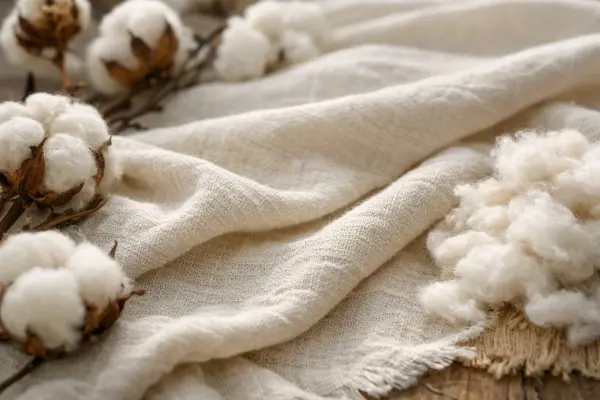
Cotton remains the most widely used natural fiber in the global textile industry. Its softness and moisture absorption make it ideal for everyday wear.
- Applications: T-shirts, shirts, dresses, underwear, casual wear
- Strengths: Breathable, skin-friendly, versatile
- Limitations: Wrinkles easily, may shrink without treatment
Linen
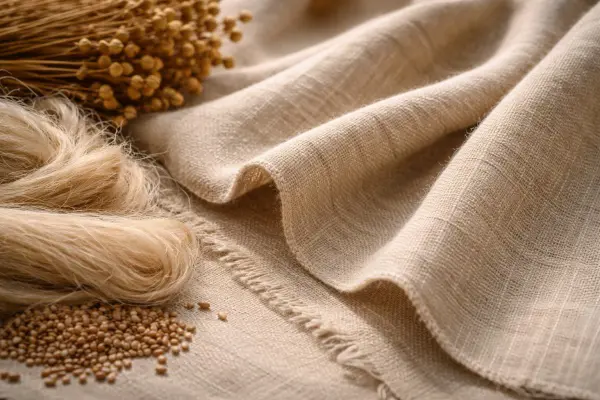
Linen is made from flax fibers and is highly valued for its cooling properties and natural texture.
- Applications: Summer clothing, resort wear, lightweight suits
- Strengths: Highly breathable, durable, eco-friendly
- Limitations: Wrinkles easily, slightly coarse texture
Silk
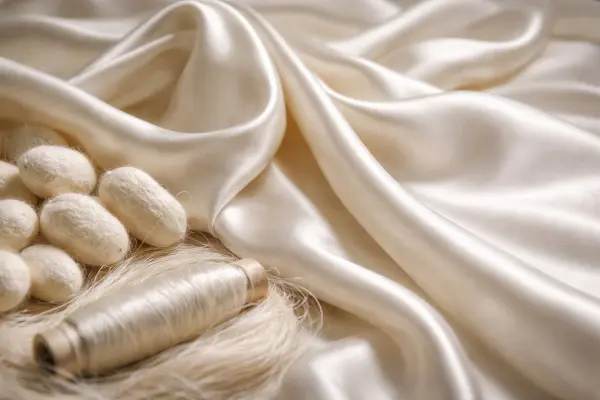
Silk is a luxury fiber known for its smooth texture and natural sheen.
- Applications: Evening wear, luxury garments, scarves
- Strengths: Elegant, lightweight, temperature regulating
- Limitations: Expensive, delicate handling required
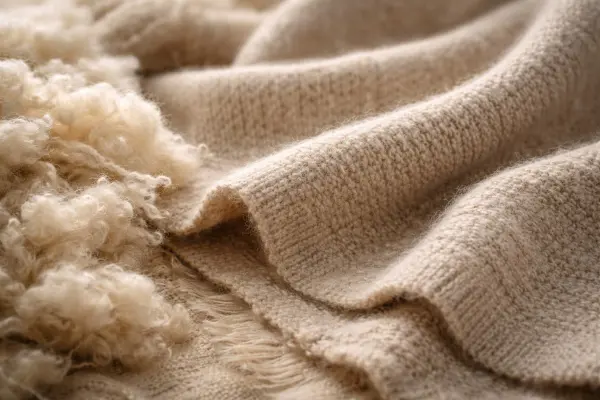
Wool
Wool provides excellent insulation and is essential for cold-weather garments.
- Applications: Sweaters, coats, suits
- Strengths: Warm, moisture-wicking, durable
- Limitations: Can be itchy, requires careful maintenance
Strategic Insight for Brands
Natural fabrics are strongly associated with comfort, authenticity, and premium positioning. For fashion startups, cotton offers scalability, while silk and wool enhance brand perception in higher-end markets.
2. Synthetic Fabrics: Performance, Durability, and Scalability
Synthetic fabrics are engineered materials designed to optimize durability, flexibility, and cost efficiency.
Key Types of Synthetic Fabrics
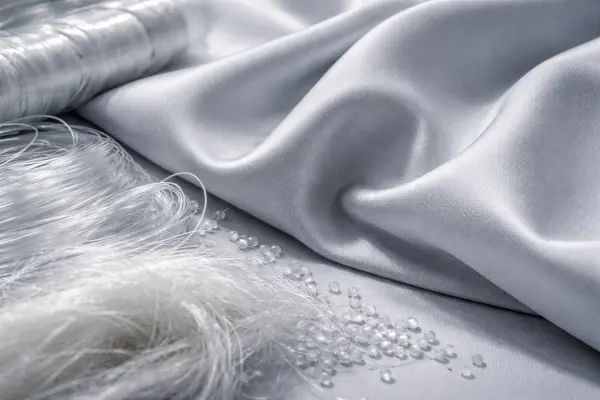
Polyester
Polyester dominates modern apparel production due to its affordability and strength.
- Applications: Sportswear, uniforms, fast fashion
- Strengths: Durable, wrinkle-resistant, quick-drying
- Limitations: Less breathable, environmental impact
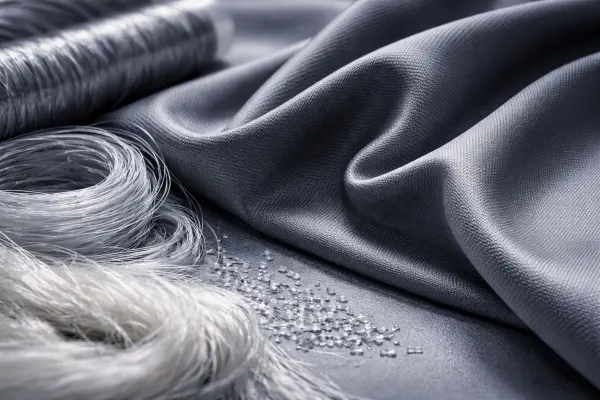
Nylon
Nylon is known for its strength and elasticity, making it ideal for performance wear.
- Applications: Activewear, swimwear
- Strengths: Lightweight, strong, abrasion-resistant
- Limitations: Sensitive to heat, not biodegradable
Spandex (Elastane)
Spandex provides exceptional stretch and recovery.
- Applications: Leggings, fitted garments, sportswear
- Strengths: High elasticity, comfort
- Limitations: Rarely used alone, often blended
Acrylic
Acrylic mimics wool while offering lower cost.
- Applications: Knitwear, sweaters
- Strengths: Lightweight, warm, affordable
- Limitations: Prone to pilling, less breathable
Strategic Insight for Brands
Synthetic fabrics are essential for mass production and performance-based apparel. They enable scalability, cost control, and consistency in manufacturing.
3. Semi-Synthetic Fabrics: Bridging Natural and Synthetic
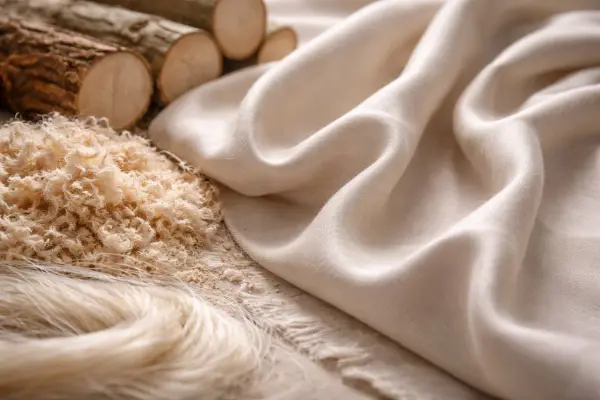
Semi-synthetic fabrics combine natural raw materials with chemical processing to deliver enhanced softness, drape, and versatility.
Key Types of Semi-Synthetic Fabrics
Rayon (Viscose)
Rayon offers a silk-like feel at a more affordable price point.
- Applications: Dresses, blouses
- Strengths: Soft, breathable, good drape
- Limitations: Weak when wet, less durable
Modal
Modal is an improved version of rayon with better strength.
- Applications: Loungewear, underwear
- Strengths: Soft, breathable, durable
- Limitations: Higher cost than rayon
Lyocell (Tencel)
Lyocell is a sustainable fiber with excellent performance characteristics.
- Applications: Premium casual wear
- Strengths: Eco-friendly, moisture-wicking, soft
- Limitations: More expensive
Strategic Insight for Brands
These fabrics are ideal for modern lifestyle collections, especially for brands targeting comfort-driven and eco-conscious consumers.
4. Blended Fabrics: Optimizing Performance and Cost
Blended fabrics combine multiple fibers to achieve balanced performance, durability, and affordability.
Common Fabric Blends
Cotton-Polyester Blend
- Applications: Daily wear, uniforms
- Benefits: Breathable, wrinkle-resistant, cost-efficient
Wool-Polyester Blend
- Applications: Formal wear, suits
- Benefits: Increased durability, reduced shrinkage
Spandex Blends
- Applications: Stretch garments, activewear
- Benefits: Flexibility, improved fit
Strategic Insight for Brands
Blended fabrics provide a practical solution for startups, allowing optimization of both performance and production cost.
5. Functional and Technical Fabrics: Innovation in Modern Fashion
Modern consumers demand more than aesthetics—performance-driven fabrics are now a major trend.
Key Types of Functional Fabrics
Moisture-Wicking Fabrics
- Applications: Sportswear
- Benefits: Sweat management, comfort
Water-Resistant Fabrics
- Applications: Outerwear
- Benefits: Weather protection
Anti-Bacterial Fabrics
- Applications: Activewear, innerwear
- Benefits: Odor control, hygiene
UV-Protective Fabrics
- Applications: Outdoor apparel
- Benefits: Sun protection
Strategic Insight for Brands
Functional fabrics enable brands to enter high-value niches such as athleisure, outdoor, and wellness fashion.
6. Sustainable Fabrics: The Future of Fashion Industry
Sustainability is a major driver in global fashion consumption and production.
Key Sustainable Fabric Options
Organic Cotton
- Benefits: Chemical-free, environmentally friendly
Recycled Polyester (rPET)
- Benefits: Reduces plastic waste
Hemp
- Benefits: Durable, low environmental impact
Bamboo Fabric
- Benefits: Soft, antibacterial, breathable
Strategic Insight for Brands
Sustainable fabrics enhance brand differentiation, global competitiveness, and long-term trust.
7. How to Choose the Right Fabric for Your Fashion Brand
Choosing the right fabric requires aligning product development with business strategy.
Key Considerations
- Target market (premium vs mass)
- Product category (casual, formal, activewear)
- Climate suitability
- Cost vs margin structure
- Brand positioning
Practical Framework
|
Objective |
Recommended Fabric |
|
Comfort & Daily Wear |
Cotton, Modal |
|
Performance Apparel |
Polyester, Nylon, Spandex |
|
Premium сегment |
Silk, Wool, Lyocell |
|
Sustainable брендинг |
Organic Cotton, Hemp |
|
Cost Efficiency |
Blended Fabrics |
Conclusion
Fabric selection is one of the most critical decisions in the fashion product development process. It affects not only garment performance but also brand perception, pricing strategy, and customer satisfaction.
For fashion startups and brand owners, mastering fabric knowledge enables better control over quality, differentiation, and scalability. As the industry continues evolving toward sustainability and performance innovation, fabric selection will remain a key driver of competitive advantage.
Frequently Asked Questions (FAQ)
1. What is the most commonly used fabric in the fashion industry?
The most commonly used fabric is cotton, due to its versatility, comfort, and affordability. It is widely used in both casual and premium segments.
2. Which fabric is best for sustainable fashion brands?
The best options include organic cotton, hemp, and lyocell (Tencel). These fabrics offer lower environmental impact and align with eco-conscious consumer demand.
3. What fabrics are best for activewear?
Activewear typically uses polyester, nylon, and spandex blends because of their durability, stretch, and moisture-wicking properties.
4. What is the difference between natural and synthetic fabrics?
- Natural fabrics come from plants or animals (e.g., cotton, wool) and are breathable and comfortable.
- Synthetic fabrics are man-made (e.g., polyester, nylon) and are more durable and cost-efficient.
5. Why do brands use blended fabrics?
Blended fabrics combine the strengths of multiple fibers, improving durability, comfort, stretch, and cost efficiency.
6. What fabric is best for luxury fashion brands?
Luxury brands typically use silk, wool, and high-quality cotton or lyocell, as these fabrics offer superior texture, appearance, and comfort.
7. How do I choose fabric for my fashion startup?
Start by defining your target market, product type, and price range, then select fabrics that align with your brand positioning and production capabilities.
8. Are synthetic fabrics bad for the environment?
Traditional synthetic fabrics like polyester are less eco-friendly because they are petroleum-based. However, recycled polyester (rPET) offers a more sustainable alternative.
9. What fabric is best for hot climates?
Cotton and linen are the best choices due to their breathability and moisture absorption.
10. How important is fabric selection in fashion business success?
Fabric selection is critical—it directly impacts product quality, customer satisfaction, brand perception, and long-term scalability.




Comments 0
Leave a CommentSend Comment
Anda harus Login terlebih dahulu untuk dapat memberikan komentar.