

How Tote Bags, Crossbody Bags, and Mini Bags Shape Daily Fashion
A bag can change the character of an outfit before its color, material, or hardware is even considered. A spacious tote brings a sense of practicality to everyday dressing, a crossbody bag supports a more mobile lifestyle, and a mini bag can make a simple outfit feel deliberately styled. Each approaches the relationship between fashion and function from a different direction.
These distinctions matter because people rarely carry the same belongings or follow identical routines throughout the day. Someone traveling to work with a laptop and documents has different requirements from a person walking around a city with only a phone, wallet, and keys. Meanwhile, a customer going from an afternoon meeting to an evening event may prioritize appearance and convenience over carrying capacity.
For fashion brands and retailers, tote bags, crossbody bags, and mini bags represent more than three familiar product categories. They illustrate how accessory design can respond to different carrying habits, outfit proportions, and customer expectations. Understanding their roles helps businesses develop more focused collections, communicate product value accurately, and avoid treating every fashionable bag as suitable for every activity.
Quick Answer: How Do Tote Bags, Crossbody Bags, and Mini Bags Influence Daily Fashion?
Tote bags, crossbody bags, and mini bags shape daily fashion by offering different combinations of carrying capacity, freedom of movement, and visual expression. Their proportions and carrying methods affect both how people transport belongings and how accessories contribute to an outfit.
Tote bags typically feature two handles and a relatively spacious body, making them suitable for carrying larger everyday items. Crossbody bags are designed to be worn diagonally across the torso, allowing users to keep their hands free and the bag relatively close to the body. Mini bags are scaled-down accessories that prioritize compactness and visual impact, although their actual functionality depends on their internal dimensions and construction.
These categories are not mutually exclusive. A mini bag can be a crossbody, and some totes include detachable straps for alternative carrying positions. Consequently, the most useful comparison considers bag construction, carrying method, and size separately.
For fashion businesses, the strategic opportunity is to match these characteristics with recognizable customer routines. A successful assortment does not simply offer small, medium, and large bags. It provides distinct solutions for different daily activities while maintaining a coherent brand identity.

Understanding the Three Bag Categories
Tote bags, crossbody bags, and mini bags are frequently compared as alternative styles, but technically they describe different characteristics of handbag design.
A tote is primarily identified by its general construction and handle configuration. Crossbody refers to how a bag is carried, while mini describes its relative size. This distinction helps explain why some products fit more than one category.
Tote Bags: A Carrying Format Built Around Capacity
A tote is generally a bag with two handles attached to a relatively simple, often rectangular or trapezoidal body. Many traditional totes have open tops, although contemporary versions may feature zippers, magnetic fastenings, internal dividers, or more structured shapes.
Totes are commonly associated with shopping, commuting, work, and other activities requiring additional storage. However, not every tote is large. Small and mini totes retain the familiar handle arrangement while reducing the product's overall dimensions.
The category's defining advantage is its adaptable body construction rather than any guaranteed carrying capacity.
Crossbody Bags: A Carrying Method That Supports Movement
A crossbody bag is worn using a strap that passes diagonally across the torso, usually from one shoulder to the opposite side of the body. This carrying method can support hands-free movement and help keep the bag positioned close to the wearer.
Crossbody bags vary substantially in appearance. They include compact camera bags, messenger-inspired designs, crescent bags, small rectangular handbags, and convertible models with detachable straps.
Their functional identity comes from the relationship between strap placement, body position, and the user's movement. Size and capacity are secondary characteristics rather than fixed requirements.
Mini Bags: A Scale of Accessory Design
A mini bag is a reduced-size handbag, frequently developed as a compact interpretation of a larger silhouette. The term is descriptive rather than a universal technical size classification, so dimensions can vary considerably between brands.
Some mini bags fit a smartphone, cardholder, and keys. Others are designed primarily for a few small belongings or for decorative impact. Very small micro bags may offer limited practical storage.
This variation is important when describing products commercially. Calling a bag "mini" does not establish what it can carry, and customers may interpret the term differently depending on their expectations.
Tote Bags: How Spacious Designs Influence Everyday Outfits
Tote bags bring visible scale to an outfit. Their generous surfaces, substantial handles, and relatively straightforward geometry can create an impression of relaxed practicality or polished professionalism, depending on the materials and construction.
A canvas tote worn with denim and casual separates may communicate an informal, everyday attitude. A structured leather tote paired with tailored trousers and a blazer can produce a more refined appearance. Both share the basic tote format but convey different styling intentions.
In its spring/summer 2026 handbag trend coverage, British Vogue identified super-roomy totes among the season's notable silhouettes, citing interpretations from designers including Celine, Toteme, and Stella McCartney. This reflects their visibility in fashion collections, not proof that oversized totes are the leading choice in every retail market.
Why Totes Work With Professional and Casual Wardrobes
A tote's broad body provides enough visual presence to complement layered clothing and larger outfit proportions. Its practical character also makes it a recognizable accessory for routines involving work materials, shopping, or additional personal belongings.
The same tote can sometimes move between different dress settings. A neutral leather version may complement office clothing without appearing out of place with weekend denim. A cotton canvas tote may work particularly well with informal outfits, although its suitability for professional environments depends on workplace expectations and product presentation.
Versatility should be evaluated through realistic use rather than assumed from a neutral color or uncomplicated silhouette.
The Trade-Off Between Space and Comfort
A spacious tote can accommodate larger objects, but its practical advantage depends on the weight and arrangement of those objects. Large bags can encourage users to carry additional belongings, increasing the load on the hand or shoulder.
Handle drop, strap width, bag weight, and the position of internal contents affect carrying comfort. A tote that feels balanced when empty may become awkward after adding a laptop, water bottle, and other items.
Design teams should therefore test tote samples under realistic loading conditions. If the bag is intended for heavy equipment or prolonged carrying, a dedicated backpack or another carrying system may be more appropriate.


Crossbody Bags: How Hands-Free Carrying Changes Daily Style
Crossbody bags influence everyday fashion through their carrying position as much as their design. The diagonal strap creates a visible line across the outfit, while the bag body sits at the hip, waist, or upper torso depending on strap length and styling preference.
This makes crossbody designs especially adaptable to routines involving walking, commuting, shopping, or moving between different locations. The wearer can keep both hands available without holding the bag continuously.
A crossbody does not need to look sporty or informal. Slim leather designs, polished hardware, and controlled proportions can make the format appropriate for refined casual clothing or certain professional settings. Conversely, nylon and canvas versions may communicate a more technical or relaxed character.
Mobility as a Design Priority
The practical appeal of a crossbody bag comes partly from the ability to carry it without occupying a hand. This can be useful for people navigating transport systems, shopping, or handling other small belongings.
However, the crossbody configuration does not automatically guarantee comfort or security. A heavy bag can create pressure through a narrow strap, and a loosely positioned bag may still swing during movement.
A good carrying system considers strap adjustment, attachment strength, the position of the bag against the body, and the load it is intended to support. For compact bags carrying lighter essentials, these features can provide a convenient balance between access and mobility.
Strap Position Changes the Appearance of an Outfit
The position of a crossbody bag can noticeably alter its visual relationship with clothing. A shorter strap that positions the bag higher on the torso creates a more compact silhouette. A longer strap, allowing the bag to sit near the hip, generally produces a more relaxed impression.
These effects depend on body proportions, clothing volume, and the shape of the bag itself. A large crescent crossbody worn across a thick coat will create a different profile from a slim rectangular bag paired with lightweight summer clothing.
For product developers, adjustable strap length should be treated as a functional and styling requirement. A strap that works comfortably for one body size or outerwear combination may not suit another.
Crossbody Bags Across Different Fashion Contexts
A compact leather crossbody can complement tailored shorts, a simple shirt, and flat shoes. A technical-fabric version may coordinate with casual outdoor-inspired clothing, while a soft crescent design can add relaxed character to a long coat or knitwear ensemble.
The bag's shape also determines how prominent it becomes. A slim crossbody may remain visually understated, while a generously sized or brightly colored version can act as the main accessory in an outfit.
This flexibility is useful for retailers because crossbody products can serve different customer preferences without requiring an entirely different carrying concept.

Mini Bags: How Compact Accessories Create Styling Impact
Mini bags approach everyday fashion from a different perspective. Their limited scale makes them less suitable for carrying extensive belongings, but it can also give them a distinct visual role within an outfit.
A small structured handbag can introduce a contrasting shape to relaxed clothing. A compact bag in a bright color may become an accent against neutral garments. A miniature leather tote can echo the form of a traditional work bag while functioning as a much smaller accessory.
Mini bags were visible in 2026 fashion coverage, including ELLE's September 2026 selection of compact handbags. The publication emphasized their styling appeal while acknowledging their limited ability to accommodate everyday belongings.
Small Proportions Can Shift the Visual Balance
Bag scale affects an outfit's overall composition. Large bags occupy considerable visual space, while mini bags may introduce a more delicate contrast against oversized jackets, wide-leg trousers, or flowing dresses.
This contrast can be intentional. A compact handbag carried with relaxed tailoring may soften the outfit's proportions, while a small, sharply structured bag can add definition to fluid clothing.
Such styling effects are subjective rather than universal. The result depends on garment proportions, the bag's color and texture, and the wearer's personal aesthetic.
The Difference Between a Functional Mini Bag and a Decorative Micro Bag
The terms mini and micro are often used loosely in fashion retail. A functional mini bag may accommodate a smartphone and several personal essentials, whereas a micro bag may only fit cards, keys, or another very small item.
Neither category has a universally standardized capacity threshold. A brand should therefore avoid using the category name as a substitute for actual product measurements.
This becomes especially important as phone dimensions and customer habits vary. A mini bag that accommodates one smartphone may be too small for another model, particularly when a protective case is fitted. Interior dimensions and opening width must both be considered.
When Carrying Less Becomes a Styling Choice
Mini bags may be attractive to customers who deliberately carry fewer objects during short outings, social activities, or evening events. They can also serve as secondary bags alongside larger carryalls, separating frequently used personal items from bulkier belongings.
That combination illustrates an important limitation: a mini bag does not need to replace a tote to remain useful. Different accessories may serve complementary purposes during the same day.
For brands, mini bags can offer opportunities to express design identity through color, shape, material, and finishing. Yet their commercial appeal should not be assumed to compensate for insufficient usable capacity. The intended function needs to be communicated accurately.

Tote vs Crossbody vs Mini Bag: Key Differences
The three categories offer different design priorities, but they should not be treated as completely separate product families. A small tote may also include a crossbody strap, while a mini bag can use either a top handle or crossbody configuration.
The following comparison describes common characteristics rather than strict definitions applicable to every product.
|
Factor |
Tote bag |
Crossbody bag |
Mini bag |
|
Main defining feature |
Two-handle construction |
Diagonal carrying strap |
Compact scale |
|
Typical capacity |
Often medium to large |
Frequently small to medium |
Generally limited |
|
Carrying method |
Hand or shoulder |
Across the torso |
Hand, shoulder, or crossbody |
|
Common daily use |
Work, shopping, commuting |
Walking, errands, travel |
Light outings, social occasions |
|
Visual effect |
Adds scale and presence |
Creates a diagonal silhouette |
Creates compact visual emphasis |
|
Main practical strength |
Space for larger belongings |
Hands-free mobility |
Convenience with minimal contents |
|
Common limitation |
Bulk and potential carrying weight |
Strap pressure or limited capacity |
Restricted usable storage |
|
Key product checks |
Handle strength, opening, loaded shape |
Strap length, attachments, positioning |
Internal fit, opening width, hardware |
The comparison reveals an important product-development principle: bag suitability depends on the interaction between construction, scale, and carrying configuration. A label such as tote, crossbody, or mini provides only part of the information needed to understand how a product performs.
How These Bags Shape Everyday Outfit Proportions
A bag is one of the few fashion accessories that significantly changes an outfit's visible silhouette while also interacting with movement. Its size and position can create visual balance, contrast, or emphasis.
The styling relationship becomes clearer when the same wardrobe is considered across different daily situations.
Workday Styling: The Tote as a Practical Visual Anchor
A relaxed blazer, straight-leg trousers, and a simple shirt can accommodate a spacious tote without making the outfit feel overly formal. The bag's scale complements the volume of the clothing and establishes a practical, work-oriented appearance.
Material and construction can shift the impression. A structured leather tote may strengthen the outfit's professional character, while a softer canvas version can make the same clothing feel more casual.
The relevant question is whether the bag's scale and finish support the intended environment, rather than whether all professional outfits require a tote.
Casual Movement: The Crossbody as an Integrated Accessory
Crossbody bags work particularly well when the wearer values mobility. A compact bag worn across a denim jacket, knit top, or lightweight coat becomes visually integrated into the outfit rather than simply hanging from one hand.
Strap width and material can alter the effect. A wide woven strap may produce a more casual or utility-inspired appearance, whereas a narrow matching leather strap can look understated.
The bag body also influences styling. Rounded shapes may soften sharp garment lines, while rectangular crossbody bags can create a more geometric composition.
Social and Evening Settings: The Mini Bag as an Accent
A mini bag can be useful when carrying requirements are limited. Its small scale allows color, texture, and hardware to contribute more visibly to the outfit without the volume of a larger handbag.
For instance, a deep-red mini bag can add contrast to a monochrome look. A small metallic or textured bag may provide visual interest with a simple dress, while a restrained black mini handbag can support a minimal evening outfit.
The distinction between daytime and evening bags is not absolute. Many compact bags can move between both settings, provided their materials, carrying comfort, and usable capacity remain appropriate.
Which Bag Works Best for Different Daily Activities?
Choosing between a tote, crossbody, and mini bag begins with understanding what must be carried and how the bag will be used. Appearance matters, but functional suitability determines whether the accessory can support the intended activity.
For example, a commuter carrying a laptop and packed lunch may need a larger bag with appropriate internal support. Someone walking around a city for several hours may prioritize a lighter bag that remains close to the body. A customer attending a short social event might prefer a compact design containing only essential belongings.
A practical starting point is to evaluate four questions:
- What needs to fit? Check the actual dimensions of the largest objects, not simply the number of belongings.
- How long will the bag be carried? Consider weight, strap comfort, movement, and carrying position.
- How frequently must items be accessed? Review opening design, pocket placement, and closure convenience.
- What clothing and situations must it complement? Consider proportion, material, color, and expected dress conventions.
A single customer may select different bag formats on different days. This is not necessarily evidence of an excessive wardrobe or an incomplete product category. It reflects the fact that carrying requirements change with activity.
Fashion brands can use these questions to organize product descriptions around situations rather than relying only on style names. Clear use-case communication can help customers choose a more appropriate bag.
Product Development Differences That Matter to Manufacturers
Totes, crossbody bags, and mini bags involve different construction priorities. Although they may share materials, hardware suppliers, and production techniques, they should not automatically use identical technical specifications.
Tote Bag Construction: Managing Load and Shape
A tote's relatively large body may experience substantial loading, particularly when used for work or shopping. Handle attachment points, side seams, base construction, and lining strength should therefore match the intended load.
Designers also need to consider the relationship between flexibility and support. An unstructured canvas tote may be appropriate for lightweight casual items, while a tote intended to carry electronics may benefit from a stable base, suitable compartment design, and additional reinforcement.
Product testing should include the bag filled with realistic contents. A sample that looks attractive when empty may stretch, sag, or become difficult to carry under expected use.
Crossbody Construction: Strap Engineering and Positioning
For crossbody bags, strap construction is central to the product's performance. Adjustable buckles, detachable hooks, attachment loops, and connection points must be appropriate for expected loads and repeated handling.
Strap length also affects accessibility. A bag positioned too low may interfere with walking, while one positioned too high may be uncomfortable or inconvenient to open.
Factories should validate both strap adjustments and bag-body movement during sample testing. Designers may also need to consider how strap surfaces interact with delicate clothing, since rough hardware or abrasive materials can cause wear.
Mini Bag Construction: Precision in Restricted Space
Mini bags may use fewer materials because of their smaller size, but that does not necessarily make them easier or proportionally cheaper to manufacture.
Small-scale construction can require precise stitching, compact hardware, narrow seam allowances, and careful lining installation. Certain decorative elements or closures may become harder to assemble as product dimensions decrease.
A key challenge is maintaining realistic functionality. A miniature zipper opening might look attractive but provide poor access. Similarly, a decorative handle may be too small to carry comfortably.
Manufacturers should assess whether the scaled-down design remains usable, rather than assuming the dimensions of a larger bag can simply be reduced.

How Fashion Brands Can Build a Balanced Bag Assortment
A useful everyday bag collection should provide meaningful differences in purpose, not merely duplicate one silhouette at several sizes.
For a small or mid-sized fashion label, a balanced assortment may include a spacious carryall for work or shopping, a compact crossbody for mobile routines, and a small handbag designed for lighter carrying requirements. These categories can share visual elements such as material, color, hardware finish, or construction details.
However, there is no universally appropriate three-product formula. A brand specializing in formal accessories may have limited need for large totes, while a commuter-focused label may find mini bags less relevant to its customers.
Build Around Customer Missions Rather Than Product Names
A customer-oriented collection can be organized around recognizable activities such as workdays, everyday movement, and light social outings.
The product team can then determine which bag construction best serves each activity. A commuter proposition might require a tote or another large-capacity design, while a compact essentials proposition might be served by either a mini shoulder bag or a crossbody.
This approach reduces the risk of building an assortment where products differ visually but compete for the same narrow customer need.
Use a Shared Design Identity Without Making Every Bag Identical
A recognizable product family can use consistent details across several formats. These might include a particular handle profile, hardware finish, stitching language, or carefully selected material palette.
For example, an independent accessories brand could develop a rectangular tote, curved crossbody, and compact top-handle bag using related materials and restrained hardware. The collection would communicate one aesthetic identity while offering different functional choices.
The challenge is avoiding excessive component standardization. A strap suitable for a lightweight mini bag may not be appropriate for a heavily loaded tote, even when both products share a design language.
Evaluate Commercial Viability Separately for Each Category
Material consumption, labor requirements, hardware costs, packaging, and shipping dimensions vary by bag format. A smaller bag may use less exterior material yet require expensive components or highly precise assembly.
The retail price should therefore reflect actual production economics, perceived customer value, and market positioning. It should not be calculated only from the relative size of the product.
Brands should review each design's landed cost, expected margin, production minimums, lead time, and potential markdown exposure. These decisions connect directly with fashion assortment planning for retail and online stores, where product differentiation and inventory discipline help determine whether a collection is commercially sustainable.
Selling Bag Function Through Better Product Presentation
Online bag shopping presents a recurring challenge: photographs communicate appearance more easily than carrying comfort or usable space.
A tote may appear sufficiently large for a laptop but have a narrow opening. A compact crossbody may look comfortable on a model while offering limited strap adjustment. A mini bag may appear larger in close-up photography than it actually is.
Accurate presentation can reduce this uncertainty.
Show Real Scale and Carrying Positions
Product images should include the bag worn by a person, ideally alongside clear dimensions. For adjustable crossbody styles, showing more than one strap position can help customers understand how the bag sits against the body.
Mini bags particularly benefit from accurate scale references. A close-up photograph can make a small handbag look deceptively large, creating unrealistic expectations.
Totes should be photographed both empty and carrying representative belongings when appropriate. This helps explain whether the bag is intended for light casual use or more substantial loads.
Demonstrate What Actually Fits Inside
A product description can identify specific capacity examples, provided they have been verified using the finished bag.
Rather than stating that a tote fits "all daily essentials," a retailer could specify the internal dimensions and demonstrate a representative laptop, notebook, or water bottle. For mini bags, stating whether common phone sizes fit may be especially useful, although compatibility should be checked for the specific dimensions and opening design.
Photographs of internal pockets, lining, and closure systems also help customers understand how the product works.
Communicate Function Without Exaggerating Performance
Terms such as "secure," "weatherproof," and "heavy duty" can create strong expectations. Brands should use such descriptions only when they are appropriate for the actual construction and supported by relevant evidence.
A zippered opening does not automatically make a bag theft-proof. A coated fabric does not necessarily make the finished bag waterproof, especially when seams and zippers remain exposed.
Clear, specific language is more reliable than broad performance promises. Retailers can describe closure types, fabric treatments, and intended use without suggesting capabilities that have not been verified.
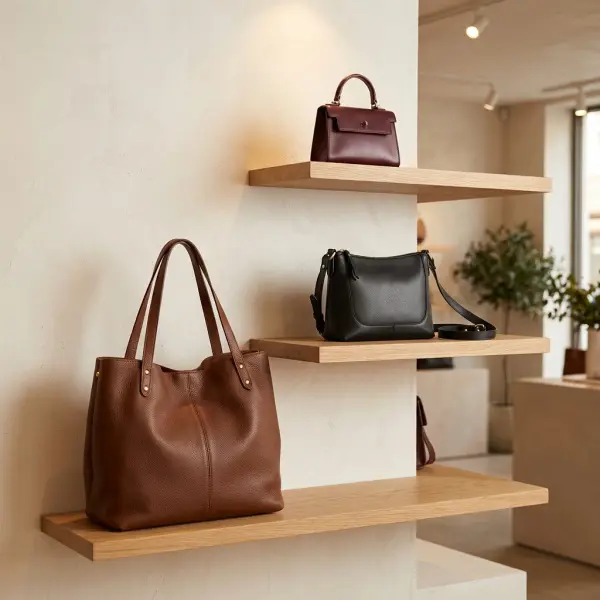
Common Mistakes When Designing or Merchandising These Bag Categories
Assuming Every Tote Is Suitable for Heavy Loads
Totes are often associated with generous capacity, but their appearance does not establish how much weight they can safely or comfortably carry. A lightweight canvas tote developed for casual shopping should not automatically be marketed as a laptop work bag. Manufacturers need appropriate material specifications, reinforced construction where necessary, and relevant load testing before making performance claims.
Treating Every Crossbody Bag as More Comfortable or Secure
A crossbody strap can support hands-free movement, but comfort depends on bag weight, strap dimensions, body position, and the duration of use. A poorly fitted design may create pressure or shift awkwardly during walking. Similarly, diagonal wearing does not eliminate theft risk. Product development and marketing should distinguish the benefits of the carrying configuration from outcomes that cannot be guaranteed.
Selling Mini Bags Without Explaining Capacity Limitations
Mini bags can create strong visual appeal, but product photographs may exaggerate their perceived usable space. Customers can become dissatisfied when a bag does not fit the belongings they expected to carry. Brands should provide accurate internal dimensions, demonstrate the opening, and communicate realistic contents. A decorative bag can still be desirable, but its purpose should be clear before purchase.
Creating Too Many Similar Styles
An accessories collection containing several nearly identical crossbody bags or multiple totes with minor cosmetic differences may complicate inventory management without increasing meaningful choice. The problem is particularly relevant for brands operating with limited development budgets or supplier minimum order quantities. A better strategy is to differentiate products through purpose, carrying characteristics, and clear design identity before expanding colors or decorative variations.
Ignoring the Interaction Between Styling and Practical Construction
A design may be visually appealing when displayed but awkward when worn. Oversized totes can become cumbersome, crossbody straps may interfere with clothing, and miniature handles can be uncomfortable to grip. These issues are difficult to identify through flat sketches alone. Wear trials using representative outfits and contents should form part of sample evaluation before approving production.
Important Caveats: Size, Durability, and Sustainability
Bag categories do not provide reliable shortcuts for judging product quality or environmental performance. A large tote is not inherently more durable than a compact bag, and a mini bag does not automatically have a lower environmental impact simply because it contains less material.
The Ellen MacArthur Foundation's guidance on designing fashion products for longer use emphasizes physical durability, emotional durability, and opportunities for continued use and repair. These principles can inform handbag development, although actual outcomes depend on materials, construction, customer behavior, and the product's full lifecycle.
For example, a well-constructed crossbody bag that remains useful for several years may represent a stronger long-term product proposition than an easily damaged accessory designed around brief novelty. However, the environmental benefit cannot be quantified from product lifetime alone without appropriate comparative evidence.
The US Federal Trade Commission's Green Guides summary also cautions against broad, unqualified environmental benefit claims. Manufacturers should communicate specific and substantiated attributes rather than describing particular bag formats or materials as inherently eco-friendly.
Fashion businesses should verify material performance, construction quality, expected use, repair feasibility, and any environmental claims independently of silhouette trends.
Frequently Asked Questions About Tote, Crossbody, and Mini Bags
What is the main difference between a tote bag and a crossbody bag?
A tote bag is generally defined by its body construction and two handles, while a crossbody bag is defined by a strap worn diagonally across the torso. Totes often provide more storage space, whereas crossbody designs commonly emphasize hands-free carrying and convenient access to smaller belongings.
These characteristics are not exclusive. Some totes include detachable long straps and can be worn across the body. Likewise, crossbody bags can be relatively spacious. The best comparison therefore involves actual dimensions, strap configuration, opening design, and intended load rather than relying entirely on product names. Customers should choose according to what they carry and how they move.
Are mini bags practical for everyday use?
Mini bags can be practical when daily carrying requirements are limited to a small number of belongings, such as a phone, keys, and cardholder. Their compact dimensions may make them convenient for short outings, social activities, or occasions where larger storage is unnecessary.
However, mini bag capacity varies substantially between products. Some are large enough for common smartphone sizes, while others are largely decorative. Before purchasing or developing a mini bag, it is useful to check internal dimensions, opening width, closure access, and the dimensions of intended contents. A stylish mini bag can serve a genuine daily purpose without needing to replace a larger everyday carryall.
Which bag is better for commuting: a tote or a crossbody?
The more suitable commuting bag depends primarily on the items being carried and the conditions of travel. A tote may be preferable when carrying a laptop, documents, water bottle, or additional work materials. A crossbody may be more convenient for lighter belongings when hands-free movement is important.
Neither format is universally more comfortable. A heavily loaded tote can strain the carrying hand or shoulder, while a heavy crossbody can create concentrated strap pressure. People carrying substantial weight for extended periods may benefit from a backpack designed for load distribution. Product teams should evaluate commuting scenarios using realistic load and movement tests.
Can a mini bag also be a crossbody bag?
Yes. Mini describes a bag's compact scale, while crossbody describes how it is worn. A small handbag with an appropriately designed long strap can belong to both categories.
This distinction matters for product classification and online shopping filters. A retailer can accurately categorize one product as both a mini bag and a crossbody bag when it meets both descriptions. However, the product should still communicate its dimensions, strap adjustment range, and usable capacity. Customers searching for a mini crossbody may have different practical expectations from customers searching for a decorative mini top-handle bag, even when the products are similar in size.
How do bag proportions influence the appearance of an outfit?
Bag proportions influence how visual weight is distributed around clothing. A large tote can reinforce the volume of relaxed tailoring or create a contrast with more fitted garments. A crossbody adds a diagonal line across the torso, while a mini bag introduces a smaller focal point that may emphasize color or texture.
These effects depend on the bag's shape, carrying position, body proportions, and the surrounding garments. There is no universal rule requiring a particular bag size for a particular body type. Designers and stylists can evaluate different proportions through realistic outfit combinations, focusing on the intended visual character rather than rigid styling formulas.
Should fashion brands offer all three bag categories?
Not necessarily. Offering totes, crossbody bags, and mini bags may help a brand address different customer activities, but a broad assortment is useful only when sufficient demand and commercial capacity exist.
A small label specializing in commuter accessories might prioritize totes and practical crossbody designs, while a brand focused on occasionwear could place greater emphasis on compact handbags. Before expanding, businesses should examine customer needs, sales performance, development costs, supplier minimums, and inventory risk. A focused collection with clear product differentiation can be more commercially manageable than offering every category without a convincing customer proposition.
How can brands make different bag sizes feel like one coordinated collection?
Brands can create consistency through shared design elements such as materials, colors, hardware finishes, stitching details, and recognizable proportions. A tote, crossbody, and mini bag can have distinct functions while still expressing the same visual identity.
However, consistent appearance should not require identical construction specifications. Larger totes may need stronger handles and bases, while crossbody bags require appropriate strap attachments and mini bags may require specialized compact hardware. Designers should standardize components only when their performance is suitable for each product. The objective is a coherent product family, not three differently sized versions of a bag that ignores their separate practical requirements.
Conclusion: Different Bags Support Different Ways of Dressing
Tote bags, crossbody bags, and mini bags demonstrate how handbag design can respond to different combinations of daily activity and personal style. Their distinctions are not simply about which silhouette is fashionable. They concern the amount of space available, how belongings are carried, and how an accessory changes the visual character of an outfit.
Totes can provide capacity and a substantial styling presence. Crossbody bags support hands-free carrying while offering varied design possibilities. Mini bags introduce compact proportions that can serve either practical essentials or a more decorative purpose.
For fashion brands, the commercial opportunity is to understand these differences precisely. Product specifications, material selection, construction, merchandising, and customer communication should reflect the actual role of each bag rather than relying on category labels alone.
The broader context is explored in everyday bag trends and practical modern style, while why functional accessories are becoming part of lifestyle dressing examines how accessories fit into wider daily wardrobe habits.
A well-developed handbag collection does not need to prove that one bag can do everything. Its value comes from giving customers well-considered options for the different ways they dress, move, and carry their belongings.




Comments 0
Leave a CommentSend Comment
Anda harus Login terlebih dahulu untuk dapat memberikan komentar.