
Global Fashion Consumption Trends 2026: What Brands Must Understand to Stay Competitive
Introduction
Global fashion consumption in 2026 is being shaped by a new kind of consumer: more selective, more digitally informed, more price-aware, and less loyal to brands that cannot clearly justify their value. Fashion shoppers are no longer responding only to seasonal trends or aspirational campaigns. They are comparing prices, evaluating quality, checking sustainability claims, looking for versatility, and increasingly relying on digital platforms and AI-powered discovery tools to guide purchase decisions.
For fashion brands, garment manufacturers, apparel startups, sourcing teams, and retail decision-makers, this shift changes the meaning of competitiveness. A good product is no longer enough. The product must fit a real lifestyle need, offer a clear value proposition, communicate trust, and remain discoverable across search engines, social platforms, marketplaces, and AI recommendation environments.
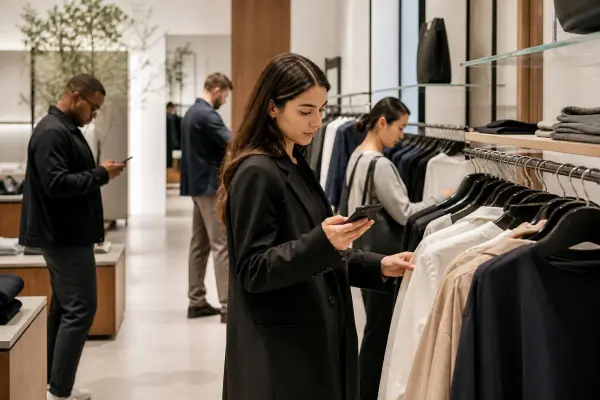
The global fashion industry is also entering 2026 under pressure from macroeconomic volatility, tariffs, supply chain uncertainty, and cautious consumer sentiment. McKinsey and BoF describe 2026 as a year where fashion leaders must adapt to changed rules, with low single-digit industry growth expected and value-conscious consumer behavior remaining a major force.
For brands, the strategic question is no longer simply “What will consumers buy?” The better question is: What kind of fashion purchase still feels worth it in 2026?
Quick Answer
Global fashion consumption trends in 2026 are defined by value-conscious buying, intentional wardrobe building, AI-assisted discovery, resale growth, practical sustainability, and demand for versatile products. Consumers are not necessarily abandoning fashion, but they are becoming more selective about what deserves space in their wardrobe and budget.
The strongest consumption shift is from trend volume to smart value: consumers want products that balance price, quality, durability, styling flexibility, and emotional relevance. Fashion purchases are increasingly judged by cost-per-wear, practical use, material quality, brand trust, and digital proof such as reviews, creator content, AI summaries, and transparent product information.
For fashion businesses, this means product strategy must become more disciplined. Brands should reduce weak SKUs, design collections around lifestyle use cases, improve product storytelling, prepare for AI-driven discovery, and treat sustainability as part of measurable product value rather than a vague marketing claim. In 2026, fashion brands win by helping consumers make better decisions, not by overwhelming them with more choices.
Who Is Driving Fashion Consumption in 2026?
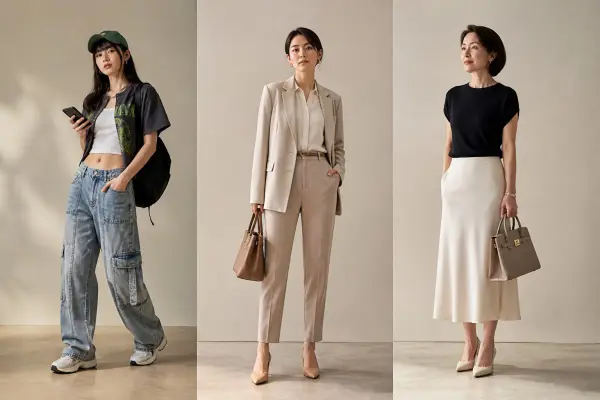
Fashion consumption in 2026 is driven by a combination of generational influence and lifestyle-driven needs, but the most important shift is that behavior matters more than age segmentation.
The first major driver is Gen Z consumers, who dominate cultural influence and digital discovery. They are highly active on social platforms and increasingly rely on AI tools for inspiration, styling ideas, and product validation. However, their purchasing behavior is more selective than previous generations. They are less loyal to brands and more responsive to authenticity, peer validation, and perceived uniqueness. While they engage heavily with trends, they do not automatically convert into purchases unless the product feels personally relevant or worth the price.
The second and most economically powerful segment is Millennials, particularly those aged 30–45. This group drives the highest value transactions because they have more stable income and clearer lifestyle needs. Their consumption is shaped by practicality: work, family, travel, and efficiency. They are less interested in fast-changing trends and more focused on reliability, quality, and versatility. Millennials are also more likely to calculate cost-per-wear and justify higher spending if the product delivers long-term value.
A third growing segment is mature consumers (40–55+), who are increasing their presence in the fashion market, especially in premium everyday categories. This group prioritizes comfort, fit, fabric quality, and timeless design. While they are less digitally native, they are still influenced by online reviews and simplified digital discovery experiences.
Across all segments, the most important shift is toward lifestyle-based consumption clusters, such as:
- Hybrid professionals needing work-to-casual outfits
- Remote workers prioritizing comfort + presentation
- Urban consumers needing versatile, compact wardrobes
A practical example: a brand targeting “women aged 25–40” will underperform compared to a brand targeting “professionals needing adaptable outfits for office, travel, and social settings.” The second approach aligns directly with real purchase triggers.
Takeaway: In 2026, the most valuable consumers are defined by how they live, not how old they are.
What Products Are Consumers Buying More in 2026?
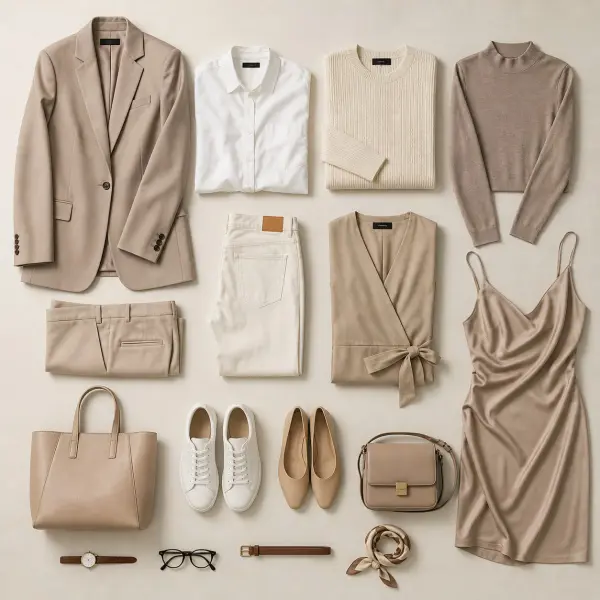
Product demand in 2026 is becoming highly concentrated around functionality, versatility, and long-term usability, rather than short-lived trend appeal.
The strongest-performing category is elevated basics—products that sit between essentials and premium fashion. These include structured T-shirts, tailored trousers, minimal dresses, and clean outerwear. These items are not visually loud, but they deliver high repeat usage and easy styling across different contexts.
Another major growth area is hybrid fashion, which blends casual and formal elements. As work environments become more flexible, consumers need clothing that can transition seamlessly between meetings, travel, and everyday activities. This has driven demand for stretch fabrics, relaxed tailoring, and “polished comfort” silhouettes.
Consumers are also buying more modular wardrobe pieces—items that are intentionally designed to mix and match. Neutral color palettes dominate because they simplify styling decisions. Rather than buying statement pieces that are worn occasionally, consumers are prioritizing items that can be worn frequently in multiple combinations.
In addition, functional fashion is gaining traction. This includes garments with breathable fabrics, wrinkle resistance, stretch, and easy-care properties. These features are no longer considered “technical extras,” but part of core product expectations.
A practical example is the rise of the modern blazer. In previous years, it was strictly formal. In 2026, it is redesigned with lighter fabrics, relaxed cuts, and versatile styling—making it suitable for both professional and casual settings.
From a product development perspective, this means:
- Fewer trend-heavy SKUs
- More focus on fabric quality and construction
- Clear use-case definition per product
Takeaway: The products that perform best in 2026 are not the most fashionable—they are the most usable.
Value-Conscious Consumption Is Replacing Pure Price Sensitivity
Value-conscious consumption means consumers are not only looking for the cheapest fashion product; they are looking for the product that feels most justified relative to price, quality, durability, versatility, and emotional reward. This distinction is important. A consumer may reject a $20 poorly made item but accept a $70 item if it lasts longer, fits better, and works across multiple occasions.
In 2026, economic uncertainty and inflation pressure continue to influence fashion spending. However, the response is not simply “buy less” or “buy cheaper.” Many shoppers are becoming more analytical. They compare fabrics, garment construction, customer reviews, return policies, fit information, and styling potential before purchasing. Strategy& highlights “smart value” as a key 2026 fashion retail trend, where brands must balance price, trend relevance, and quality rather than compete only on low prices.
For fashion brands, this creates a major positioning challenge. Discounting can drive short-term conversion, but excessive discounting can weaken perceived brand value. On the other hand, premium pricing without visible quality signals can reduce trust. Brands must show why a product is worth its price through material details, construction quality, fit consistency, styling use cases, and transparent benefits.
A practical example is a women’s tailored trouser. In a price-sensitive market, a brand might promote it as “affordable office pants.” In a value-conscious market, the stronger message is different: wrinkle-resistant fabric, structured waistband, machine-washable care, work-to-weekend styling, and reliable fit across sizes. The product is no longer sold as a single item; it is sold as a high-utility wardrobe asset.
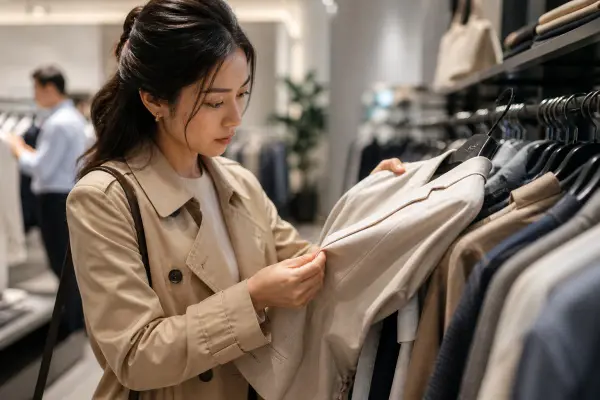
Takeaway: In 2026, brands should compete on value clarity, not just price. The winning product is the one consumers can rationally and emotionally justify buying.
Consumers Are Building More Intentional Wardrobes
Intentional wardrobe building is one of the most important global fashion consumption trends in 2026. Consumers are becoming more selective because they are overwhelmed by choice, exposed to constant trend cycles, and increasingly aware of waste, storage, and poor purchase decisions. Instead of buying many disconnected items, they want pieces that work together.
This trend is visible in the growth of capsule wardrobe thinking, elevated basics, modular styling, and hybrid fashion categories. Consumers want clothing that can move across contexts: office, travel, weekend, casual dinners, video meetings, and daily errands. The demand is not only for minimalism, but for wardrobe efficiency—fewer items that create more outfit possibilities.
For fashion businesses, this changes product development logic. Collections should not be built only around color trends or seasonal themes. They should be built around outfit systems. A blazer, trouser, knit top, skirt, dress, and outerwear piece should connect visually and functionally. This is especially relevant for DTC brands, workwear brands, modest fashion brands, contemporary womenswear labels, and premium basics businesses.
A practical scenario: a brand launching a “modern workwear collection” should not release random office pieces. It should design a coordinated wardrobe system: one blazer that pairs with two bottoms, two tops that work under layering, one dress that can be styled formally or casually, and one neutral outer layer. Product photography should show combinations, not only individual SKUs.
Intentional consumption also affects inventory planning. Brands that understand wardrobe logic can reduce SKU clutter and improve sell-through because each product supports the broader collection. This helps merchandising, styling content, email campaigns, and bundle offers.
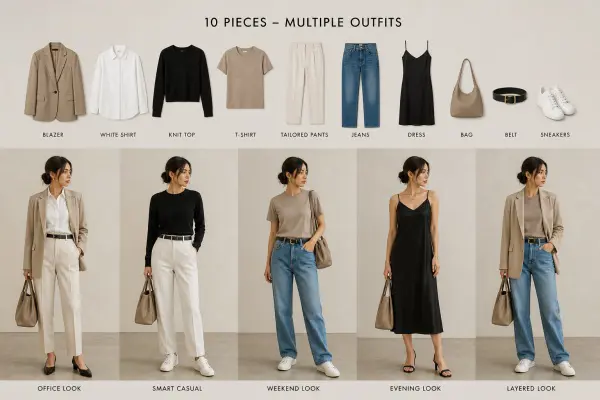
Takeaway: Fashion brands should design collections as wardrobe systems, not isolated products. Consumers in 2026 reward products that make dressing easier, smarter, and more repeatable.
AI and Digital Discovery Are Changing How Consumers Choose Fashion
Fashion discovery in 2026 is no longer controlled only by search engines, Instagram feeds, TikTok trends, or marketplace rankings. AI-powered discovery is becoming a new layer in the consumer decision journey. Consumers increasingly ask digital assistants for outfit ideas, brand comparisons, product recommendations, fabric explanations, and style advice.
This matters because AI systems favor clear, structured, and context-rich information. A brand with vague product descriptions such as “stylish premium dress” may be harder for AI systems to interpret than a brand that clearly describes “machine-washable midi dress for hybrid work, made with stretch crepe, suitable for office and semi-formal occasions.” The second description gives search engines and generative engines more extractable meaning.
McKinsey identifies agentic AI as one of the dominant themes for fashion in 2026, alongside resale growth, operational efficiency, and strategic renewal. This suggests that AI is not only a marketing tool, but a commercial infrastructure issue. Brands must prepare product data, content architecture, product attributes, and customer education for AI-driven discovery.
For fashion businesses, this means SEO and GEO must work together. Traditional SEO helps consumers find pages through Google. GEO helps AI systems understand, summarize, and potentially recommend a brand’s products or expertise. Product pages, buying guides, FAQs, comparison content, and styling explainers become more valuable because they give AI systems structured answers.
A practical example: instead of publishing a generic blog post titled “Best Dresses for Women,” a brand can publish “How to Choose a Work-to-Dinner Dress: Fabric, Fit, Length, and Styling Guide.” This content answers real consumer questions, supports product discovery, improves internal linking, and gives AI engines clearer context.
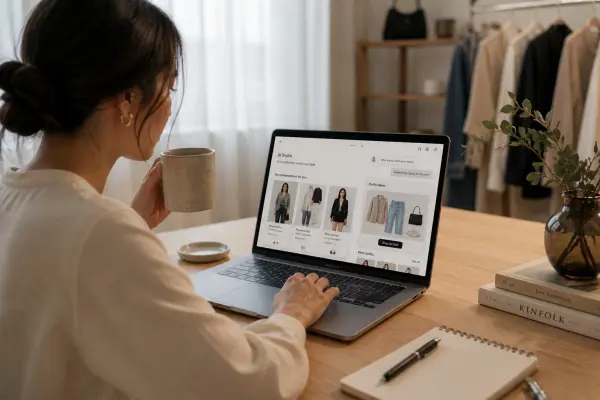
Takeaway: In 2026, fashion discoverability depends on how clearly a brand explains its products, use cases, materials, and customer value across both search and AI environments.
Sustainability Is Becoming Practical, Measurable, and Compliance-Driven
Sustainability remains important in global fashion consumption, but consumers in 2026 are more skeptical of vague claims. Words such as “eco-friendly,” “ethical,” and “conscious” are no longer enough. Consumers, regulators, and retail partners increasingly expect proof: fiber composition, traceability, durability, repairability, lower-impact materials, responsible sourcing, and end-of-life planning.
This shift is also being accelerated by regulation. Fashion brands selling into markets such as the European Union must pay attention to traceability, Digital Product Passports, Extended Producer Responsibility, and supply chain transparency. Recent industry analysis notes that EU Digital Product Passport requirements are moving toward enforcement in 2027, while Extended Producer Responsibility is also becoming a major compliance issue for fashion companies.
For consumers, sustainability matters most when it is connected to practical product value. A durable cotton shirt, a repairable leather bag, a recycled polyester jacket with verified material data, or a timeless wool coat can be easier to understand than abstract sustainability storytelling. Consumers want to know: Will it last? Can I wear it often? Is the claim credible? Is the price justified?
For fashion businesses, sustainability should be integrated into product development rather than added at the marketing stage. Sourcing teams need better material documentation. Product teams need to consider durability and care instructions. Marketing teams need to avoid unsupported claims. Compliance teams need supplier data beyond Tier 1 factories.
A practical example: a denim brand preparing for global retail expansion should document cotton origin, dyeing process, water-reduction methods, factory certifications, garment composition, care guidance, and recyclability. This information supports consumer trust, wholesale buyer requirements, and future compliance readiness.
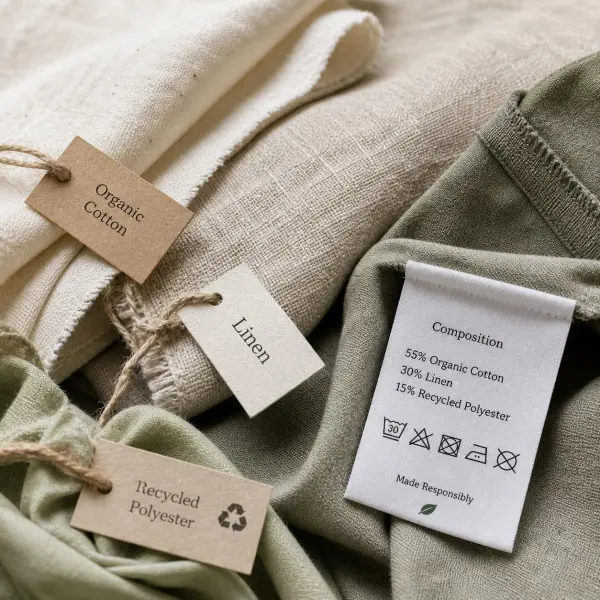
Takeaway: Sustainability in 2026 must move from brand messaging to product evidence. The strongest approach is practical sustainability that consumers can understand and businesses can verify.
Resale, Longevity, and Circular Consumption Are Reshaping Product Value
Resale and circular fashion are becoming more important because consumers are rethinking ownership. Fashion products are no longer judged only by initial purchase price, but also by longevity, resale potential, repairability, and continued relevance. This is particularly visible in premium fashion, sneakers, luxury accessories, vintage apparel, and high-quality wardrobe staples.
The growth of resale reflects several consumer motivations. Some shoppers want affordability. Others want access to premium brands. Some are motivated by sustainability, while others are driven by uniqueness and archival style. In all cases, resale changes how consumers define value. A product that retains desirability after first purchase becomes more attractive.
For fashion brands, this means product quality and brand equity are becoming more measurable. If a brand’s products have no resale value, weak durability, or poor long-term desirability, consumers may become less willing to pay premium prices. Conversely, brands with strong identity, durable materials, and timeless silhouettes can benefit from circular demand because resale visibility reinforces brand desirability.
This does not mean every brand must immediately launch a resale platform. But every brand should understand how circular behavior affects consumer expectations. Customers may ask whether garments last, whether styles remain relevant, whether repairs are possible, and whether materials age well.
A practical example is a premium outerwear brand. If its coats are made with durable wool blends, replaceable buttons, strong lining, and classic silhouettes, customers may see them as investment pieces. The product can be marketed through cost-per-wear, longevity, and styling continuity—not only seasonal newness.
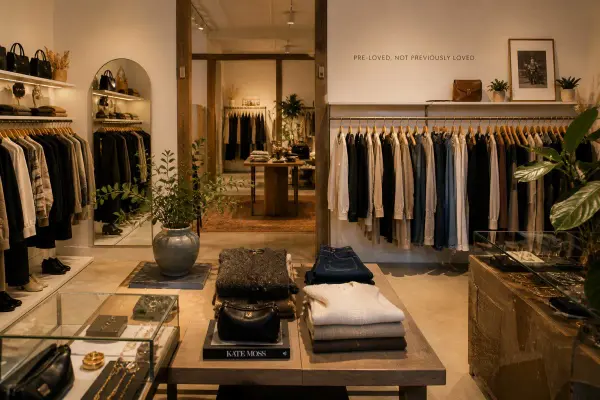
Takeaway: Circular consumption rewards brands that create durable, recognizable, and emotionally desirable products. In 2026, longevity is not only a sustainability issue; it is a value strategy.
Decision Framework: How Fashion Brands Should Respond to 2026 Consumption Trends
|
Consumption Shift |
What Consumers Expect |
Business Impact |
Operational Response |
|
Value-conscious buying |
Clear balance of price, quality, and usefulness |
Weak products become harder to sell |
Improve product value communication and reduce unnecessary discounting |
|
Intentional wardrobes |
Versatile products that work together |
Collection planning must be more coordinated |
Build modular collections and outfit systems |
|
AI-driven discovery |
Clear, answerable product information |
Vague brands become less discoverable |
Optimize product pages, FAQs, buying guides, and structured content |
|
Practical sustainability |
Proof, traceability, and durability |
Unsupported claims create risk |
Document materials, sourcing, care, and compliance data |
|
Circular consumption |
Longevity, resale value, and timeless relevance |
Product durability affects brand trust |
Improve quality control, repairability, and long-term design value |
Practical Application for Fashion Brands
Fashion brands should begin by auditing their product assortment. Identify which products have clear customer value, repeat styling potential, strong margin logic, and consistent quality. Products that exist only because they follow a temporary trend should be reviewed carefully, especially if they create inventory risk.
Next, brands should improve product communication. Every product page should answer practical buyer questions: What is the material? How does it fit? When can it be worn? What does it pair with? Why is the price justified? How should it be cared for? This improves conversion, reduces returns, and supports AI discoverability.
Brands should also create content around consumer decision-making. Buying guides, comparison articles, styling systems, capsule wardrobe recommendations, fabric explainers, and fit guides can help consumers feel more confident. This is especially important for DTC brands and apparel startups that need to build trust without relying only on retail presence.
From an operational perspective, sourcing and merchandising teams should work more closely. If consumers want value, durability, and versatility, then material selection, MOQ decisions, color planning, and SKU architecture must support that promise. Marketing cannot fix a weak product strategy.
Finally, brands should prepare for transparency. Even if full compliance requirements are not immediate in every market, building better product data now will help future-proof the business.
Common Mistakes to Avoid
1. Treating value-conscious consumers as cheap consumers
Consumers are not only looking for low prices. Many are willing to pay more when quality, function, and trust are clear.
2. Launching too many disconnected SKUs
Large collections can create confusion and inventory risk if products do not work together as a wardrobe system.
3. Using vague sustainability claims
Claims such as “eco-conscious” or “responsibly made” are weak without material details, sourcing evidence, or measurable proof.
4. Ignoring AI discovery
Brands that fail to structure product information clearly may become less visible in generative search and recommendation environments.
5. Over-relying on trend aesthetics
Microtrends can create short-term attention, but long-term consumption is shifting toward products with stronger utility and identity.
FAQ
1. What is the biggest global fashion consumption trend in 2026?
The biggest trend is the shift toward value-conscious and intentional consumption. Consumers are still interested in fashion, but they are more selective about what they buy. They want products that offer quality, versatility, durability, and clear relevance to their lifestyle. This means brands must justify product value more clearly through fabric, fit, styling potential, and long-term usability.
2. How is AI changing fashion consumption in 2026?
AI is changing how consumers discover, compare, and evaluate fashion products. Shoppers may use AI tools to ask for outfit recommendations, fabric explanations, brand comparisons, or product suggestions. For brands, this means product content must be clear, structured, and context-rich. AI systems are more likely to understand products with specific use cases, detailed descriptions, FAQs, and helpful buying guides.
3. Are consumers still interested in sustainable fashion?
Yes, but sustainability must be practical and credible. Consumers are less responsive to vague sustainability claims and more interested in proof, durability, responsible materials, and long-term value. Sustainability works best when it is connected to product performance, such as garments that last longer, require easier care, use traceable materials, or reduce waste through better design.
4. What fashion products are likely to perform well in 2026?
Products with versatility, comfort, quality, and styling flexibility are likely to perform well. These include elevated basics, hybrid workwear, modular wardrobe pieces, premium everyday wear, durable outerwear, functional casualwear, and timeless accessories. Consumers want products that solve real wardrobe needs rather than items that only follow short-lived trends.
5. How should fashion startups respond to 2026 consumer behavior?
Fashion startups should focus on narrow positioning, strong product-market fit, and clear value communication. Instead of launching too many products, startups should build a focused assortment around a specific lifestyle need. They should also invest in product education, visual styling, SEO content, and structured product pages to improve both search visibility and customer trust.
6. Why is resale important to fashion consumption trends?
Resale is important because it changes how consumers think about product value. A product that lasts longer, remains desirable, and can be resold may feel more financially and emotionally worthwhile. This benefits brands with strong identity, durable materials, consistent quality, and timeless design. Even brands without resale platforms should consider how longevity affects consumer trust.
Conclusion
Global fashion consumption in 2026 is not simply moving toward less consumption. It is moving toward more selective, more informed, and more value-driven consumption. Consumers are still willing to buy fashion, but they expect products to earn their place through usefulness, quality, identity, transparency, and relevance.
For fashion businesses, the strategic lesson is clear: growth will not come from producing more products with weaker differentiation. It will come from designing better products, explaining them more clearly, using data more intelligently, and building trust across every stage of the purchase journey.
The brands that succeed in 2026 will not be the loudest. They will be the clearest, most useful, and most credible.




Comments 0
Leave a CommentSend Comment
Anda harus Login terlebih dahulu untuk dapat memberikan komentar.