
Why Vintage-Inspired Wedding Dresses Are Making a Strong Comeback in 2026
Why Are Vintage-Inspired Wedding Dresses Trending in 2026?
Vintage-inspired wedding dresses are making a strong comeback in 2026 because modern brides are looking for more personal, meaningful, and visually distinctive bridalwear. Instead of choosing a gown that simply looks current, many brides want a dress that feels connected to heritage, memory, craft, romance, or a specific fashion era.
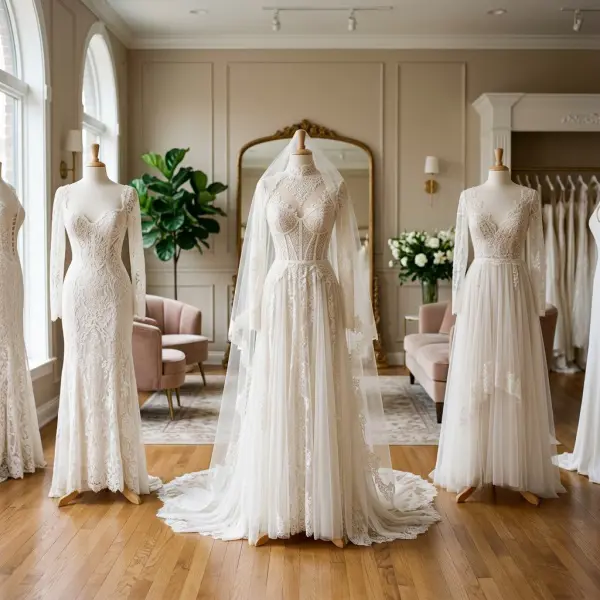
This does not mean every bride wants an actual antique dress. In many cases, the trend is about vintage influence rather than literal vintage sourcing. Designers are translating archival bridal references into modern gowns through lace, corsetry, basque waists, drop waists, long sleeves, high necklines, pearl details, structured bodices, delicate veils, and old-world silhouettes adapted for contemporary comfort.
For bridal brands and retailers, the opportunity is practical as well as aesthetic. Vintage-inspired bridalwear gives collections emotional depth, strong storytelling, and visual differentiation in a crowded market. However, it also requires careful execution. Lace quality, fit, proportion, fabric durability, transparency, and alteration feasibility matter greatly. The strongest 2026 vintage bridal looks are not costume-like recreations. They are modern wedding dresses with historical sensitivity, emotional value, and commercially realistic construction.
The Return of Romance, Memory, and Personal Bridal Identity
The revival of vintage-inspired wedding dresses is part of a broader shift in bridal fashion: brides are moving away from standardized wedding aesthetics and toward more personal style decisions. Vogue has described 2026 wedding style as increasingly shaped by personality, individuality, and meaningful choices rather than formulaic visual trends. Vogue’s 2026 wedding trend analysis
Vintage bridalwear fits this mood because it carries emotional weight. A lace sleeve, heirloom veil, basque waist, pearl button, or archival silhouette can suggest continuity between past and present. For many brides, that is more compelling than simply wearing the newest silhouette from a trend report.
This emotional dimension is especially important in bridal fashion because the wedding dress is not only evaluated as apparel. It becomes part of family memory, photography, ceremony, storytelling, and future nostalgia. A bride may choose a vintage-inspired gown because it reminds her of a grandmother’s wedding portrait, a classic film, a royal wedding, a designer archive, or a romantic fashion era she has admired for years.
For fashion businesses, this changes the selling language. A vintage-inspired gown should not be marketed only as “retro” or “classic.” Those words can feel flat if they are not supported by design context. More effective communication explains what kind of vintage mood the gown evokes: Edwardian delicacy, Old Hollywood glamour, 1950s structure, 1970s ease, Victorian lace romance, or 1990s minimalist bridal nostalgia.
A vintage-inspired wedding dress works best when it helps the bride feel that the gown belongs to her story, not just to a past decade.
Vintage Inspiration Is Not the Same as Wearing an Old Dress
One important distinction should be clear: vintage-inspired bridal fashion and true vintage bridalwear are not identical. A true vintage wedding dress is an actual garment from a previous era. A vintage-inspired wedding dress is newly designed but influenced by historical silhouettes, fabrics, construction details, or styling codes.
This distinction matters for both customers and brands. True vintage dresses can be beautiful and emotionally meaningful, but they may also involve sizing limitations, fabric fragility, discoloration, seam stress, outdated construction, or difficult alterations. Newly made vintage-inspired gowns can offer the same emotional mood while giving brides modern fit, fabric stability, lining options, production consistency, and alteration support.
For bridal businesses, both approaches can be valuable, but they require different operational systems:
- True vintage bridalwear requires authentication, restoration, condition assessment, cleaning expertise, and careful customer education.
- Repurposed heirloom gowns require skilled alteration, emotional sensitivity, fabric evaluation, and realistic expectations.
- Vintage-inspired new gowns require design research, modern pattern development, reliable production, and clear merchandising.
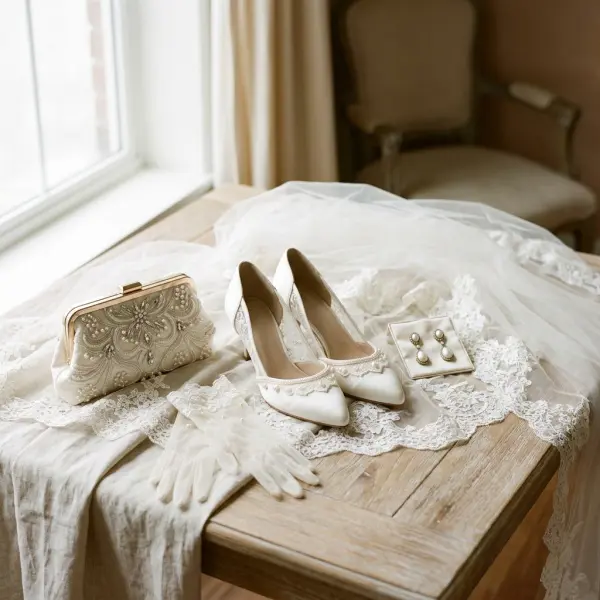
- Vintage styling elements such as veils, gloves, jackets, hats, brooches, or pearl accessories can create the mood without requiring a fully vintage dress.
The safest commercial path for most bridal brands is not necessarily to sell true vintage gowns. It is often to design modern gowns that borrow intelligently from vintage language while meeting contemporary expectations for comfort, size range, delivery timelines, and fit.
Lace Is the Strongest Fabric Behind the Vintage Bridal Revival
Lace is central to the return of vintage-inspired wedding dresses in 2026. It carries historical association, bridal symbolism, and visual texture in a way that few materials can match. Vogue has highlighted lace wedding dresses as a major 2026 direction, with renewed interest in romantic and timeless bridal style. Vogue on lace wedding dresses for 2026
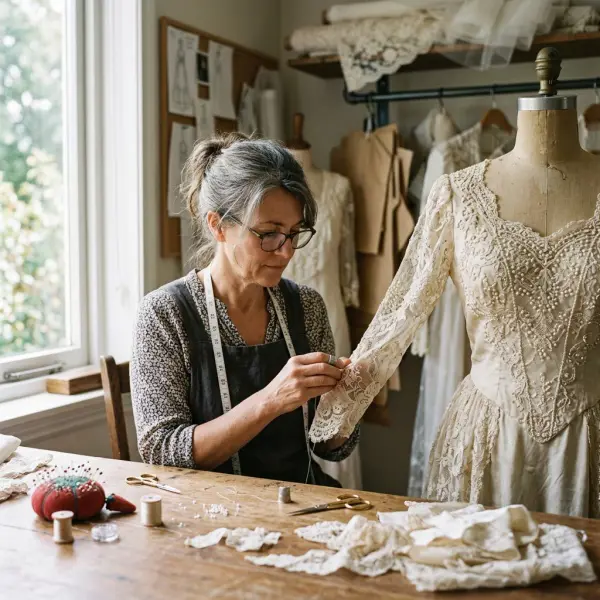
The current lace revival is not limited to one type of gown. Lace is appearing in sheer sleeves, high-neck bodices, corseted overlays, veils, jackets, capes, detachable boleros, scalloped edges, layered skirts, and subtle trims on otherwise minimalist gowns. That flexibility makes lace commercially useful. A brand can offer vintage influence without committing every gown to a heavily ornate look.
The technical side is equally important. Lace is not one material with one behavior. Chantilly lace, guipure lace, corded lace, embroidered tulle, beaded lace, and machine-made lace appliqué each behave differently in cutting, sewing, drape, transparency, and alteration. A lightweight Chantilly lace may create delicate romance, while heavier guipure lace can feel more graphic and structured. Beaded lace may add value and sparkle, but it also increases weight, cost, and alteration complexity.
For bridal product development, lace placement is a major design decision. Pattern scale must suit the body proportion. Motifs should not accidentally emphasize areas the bride may not want highlighted. Seams need to be considered carefully because lace matching can affect production time and perceived quality. Lining color also changes the final look. Ivory lace over nude lining, ivory lining, or blush lining can create very different visual effects.
Lace may look sentimental, but in production it is a technical material choice. Brands that treat it seriously can create gowns that feel romantic without looking dated.
The Silhouettes Making Vintage Bridalwear Feel Current Again
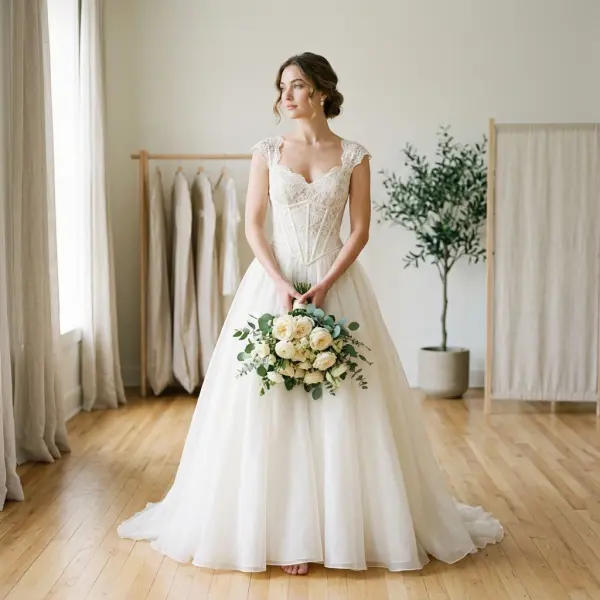
The 2026 vintage-inspired bridal comeback is also driven by silhouette. Basque waists, corseted bodices, long sleeves, high necklines, drop waists, structured ballgowns, tea-length dresses, column gowns with lace jackets, and soft A-line shapes all carry historical references while remaining adaptable to modern bridal styling.
Brides reported several Spring 2026 bridal fashion week trends that connect strongly with vintage-inspired dressing, including basque waists, corsetry, layered lace, halter necklines, and ballet-inspired volume. Brides on Spring 2026 bridal fashion week trends WWD also noted corsetry, lace, bows, mermaid shapes, and draped basque waists in its Spring 2026 bridal trend coverage. WWD Spring 2026 bridal trend report
What makes these silhouettes feel modern is proportion. A basque waist does not have to become a heavy historical costume. A long sleeve does not have to feel conservative. A high neckline can feel delicate if paired with sheer lace, clean hair, and a refined skirt. A tea-length dress can feel playful rather than old-fashioned when styled with minimal shoes and contemporary accessories.
Several vintage-influenced silhouettes are especially relevant for 2026:
- Basque waist gowns for brides who want waist definition and romantic structure.
- Long-sleeve lace gowns for ceremony-focused, church, winter, or classic wedding contexts.
- Tea-length dresses for civil ceremonies, intimate weddings, and reception changes.
- Column dresses with lace overjackets for brides who want elegance with a removable vintage layer.
- Corseted bodices for structured romance, especially when softened with tulle, lace, or draped skirts.
- Drop-waist or elongated bodice gowns for a more fashion-forward vintage interpretation.
The opportunity for designers is to reinterpret the past rather than reproduce it. Brides are often drawn to vintage because of feeling, not historical accuracy.
Why Archival References Are Attractive to Modern Brides
Archival influence has become more appealing because it gives bridal fashion depth. A gown inspired by an earlier era can feel more considered than a dress designed only around a current viral trend. This is especially relevant for brides who want their wedding photos to age well.
Fashion cycles also play a role. Many consumers are now comfortable mixing eras in everyday style: 1990s minimalism, 1970s tailoring, 1950s volume, Victorian-inspired lace, and 1980s statement sleeves all circulate in contemporary fashion references. Bridalwear naturally absorbs this broader cultural interest in archive, nostalgia, and personal styling.
The recent visibility of repurposed family wedding dresses also supports this movement. Vogue recently featured a bride who transformed her late mother’s 1980s wedding dress into a modern bridal mini, preserving emotional details while adapting the garment for her own ceremony and celebration. Vogue’s feature on transforming an heirloom wedding dress
This kind of story matters because it shows how vintage bridal fashion is not only about aesthetics. It can also involve grief, memory, sustainability-minded reuse, family continuity, and personal identity. Not every bride will have access to a family gown, but many respond to the idea that a wedding dress can hold more meaning than trend value.
For bridal brands, the lesson is to build narrative into product development and retail presentation. A gown can be described through inspiration, craft, silhouette, fabric, and emotional mood. That does not mean inventing false heritage. It means explaining design intent clearly and honestly.
Vintage Does Not Have to Mean Traditional or Conservative
A common misconception is that vintage-inspired bridalwear must look traditional, modest, or old-fashioned. In reality, vintage influence can be romantic, dramatic, sensual, minimal, bohemian, glamorous, or sharply tailored depending on the reference point.
A 1930s-inspired bias-cut satin gown can feel quietly sensual. A 1950s tea-length dress can feel playful and modern. A 1970s lace gown can feel relaxed and bohemian. A 1990s minimalist slip dress can feel clean and contemporary. A Victorian-inspired high-neck lace bodice can become fashion-forward when paired with a modern skirt, sheer layering, or restrained accessories.
This flexibility is important for global bridal markets because not all brides share the same cultural expectations, venue types, or family traditions. Some markets prefer covered shoulders, long sleeves, and ceremonial formality. Others favor minimal dresses, destination-ready silhouettes, or reception looks that allow more movement. Vintage inspiration can adapt to these contexts if designers treat it as a design language rather than a fixed costume.
For retailers, this means vintage-inspired gowns should not be placed in one narrow “classic bride” category. A more nuanced retail approach may group them by mood: romantic vintage, modern heirloom, old Hollywood, bohemian lace, civil ceremony retro, or architectural historical.
That framing helps customers see vintage as a relevant choice, not a conservative compromise.
Business Opportunities for Bridal Brands and Retailers
The return of vintage-inspired wedding dresses creates several business opportunities beyond the gown itself. It supports storytelling, accessories, alteration services, heirloom redesign, premium lace sourcing, editorial content, and appointment-based retail experiences.
For bridal boutiques, vintage-inspired collections can help differentiate the store from mass-market bridal offerings. A boutique does not need to carry only vintage-style gowns, but a curated selection of lace sleeves, corseted bodices, pearl-detailed veils, boleros, gloves, and structured romantic silhouettes can give customers a more memorable reason to visit.
For designers, the opportunity is to build design signatures. Lace placement, sleeve shape, neckline proportion, covered buttons, internal corsetry, and detachable styling pieces can become recognizable brand codes. This is especially useful in bridalwear, where many gowns are ivory and differentiation depends on construction, detail, and emotional storytelling.
For manufacturers and sourcing teams, the vintage trend may increase demand for specialized materials and finishes:
- fine lace with consistent motif quality;
- pearl and bead embellishment with secure application;
- stable tulle and organza for soft volume;
- structured interlining for corseted bodices;
- covered buttons, trims, and scalloped edges;
- detachable sleeves, jackets, overskirts, and veils.
Retailers can also extend average order value through styling. A bride who chooses a simple lace gown may also purchase a veil, gloves, pearl earrings, lace bolero, or reception accessory. The key is to make the styling feel personal, not aggressively upsold.
Vintage-inspired bridalwear works commercially when it supports a complete world: gown, accessories, styling language, fitting experience, photography direction, and aftercare advice.
Practical Application: How Fashion Businesses Can Use This Trend
Fashion businesses should begin by deciding what kind of vintage mood fits their brand. A small bridal label may focus on romantic lace and heirloom details. A premium atelier may emphasize corsetry, basque waists, and couture finishing. A modern bridal retailer may use vintage through styling elements such as gloves, veils, jackets, and pearl accessories.
The next step is operational testing. Vintage-inspired designs often look beautiful in sketches, but they need to be tested on real bodies, in real fabric, and across size ranges. A long-sleeve lace bodice may require mobility testing. A basque waist may need several fitting rounds. A detachable lace jacket must sit cleanly over the gown without distorting the neckline.
For retail and content teams, vintage-inspired bridalwear should be photographed with detail and context. Close-up images of lace, buttons, neckline, sleeve shape, and back construction help customers understand the value. Full-body images show proportion. Movement images show whether the gown feels wearable rather than stiff.
A practical strategy may include:
- developing one or two hero vintage-inspired gowns per collection;
- offering detachable vintage elements for styling flexibility;
- creating educational content about lace types and silhouette references;
- training stylists to explain historical inspiration without overwhelming customers;
- offering heirloom redesign or consultation services only if technical expertise is available;
- building bridal appointments around mood, venue, and personal story.
The goal is not to make every gown look old. The goal is to give brides access to romance, memory, and craft in a form they can actually wear.

Common Mistakes When Interpreting the Vintage Bridal Trend
The first mistake is copying the past too literally. A gown that reproduces a historical style without modern proportion, comfort, or styling can easily look like a costume. Brides usually want the emotion of vintage, not necessarily a museum-accurate garment.
The second mistake is assuming lace automatically creates a premium look. Low-quality lace, poor motif placement, harsh lining contrast, or weak finishing can make a gown look cheaper rather than more romantic. Lace needs careful development and quality control.
The third mistake is ignoring alteration complexity. Vintage-inspired gowns often include sleeves, high necklines, lace overlays, corsetry, buttons, and delicate trims. These details can complicate fitting and increase alteration cost. If a retailer does not explain this clearly, the customer may feel surprised later in the process.
The fourth mistake is using sustainability language too loosely. Repurposing a family gown can reduce the need for a new garment, but not every vintage-inspired dress is automatically sustainable. A newly produced lace gown still has material, labor, logistics, packaging, and aftercare impacts. Claims should be specific and defensible.
The better strategy is controlled romance: choose historical references carefully, modernize fit and proportion, verify construction, and communicate the product honestly.
What Brands Should Verify Before Building a Vintage-Inspired Bridal Collection
Vintage-inspired bridalwear can be commercially powerful, but it should not be developed only from moodboards. Brands need to test how the design performs in production, retail, and real wedding use.
Before finalizing a vintage-inspired gown, brands should verify:
- whether the lace remains visually balanced after grading;
- whether sleeves allow enough arm movement;
- whether the bodice supports the intended shape comfortably;
- whether buttons, appliqués, or pearls are secure;
- whether the gown can be altered without damaging lace or trim;
- whether fabric weight suits the venue and season;
- whether the gown photographs well in daylight and indoor lighting;
- whether the styling message is clear to customers.
These checks are especially important because vintage-inspired bridalwear often depends on emotional appeal. A bride may fall in love with the image of the gown, but the business must deliver the reality: fit, comfort, construction, durability, and service.
FAQ: Vintage-Inspired Wedding Dresses 2026
What is a vintage-inspired wedding dress?
A vintage-inspired wedding dress is a newly made gown that takes design cues from past fashion eras. These cues may include lace, corsetry, basque waists, long sleeves, high necklines, covered buttons, tea-length skirts, pearl details, or old-Hollywood silhouettes. It is different from a true vintage dress, which is an actual garment from a previous decade. Vintage-inspired gowns are often more practical for modern brides because they can offer contemporary sizing, stronger construction, new materials, and easier alteration options.
Why are vintage-inspired wedding dresses popular in 2026?
They are popular because many brides want wedding fashion that feels personal, emotional, and less generic. Vintage references can make a gown feel connected to memory, heritage, romance, or a specific fashion mood. The trend also aligns with broader consumer interest in archival fashion, heirloom styling, and more meaningful purchasing. For bridal brands, vintage-inspired gowns provide strong storytelling and visual differentiation, especially when supported by quality lace, thoughtful styling, and well-executed construction.
Are lace wedding dresses part of the vintage trend?
Yes, lace is one of the strongest materials associated with the vintage bridal trend. It can suggest romance, craftsmanship, delicacy, and ceremony. However, lace does not automatically make a dress vintage or premium. The final effect depends on lace type, motif scale, lining, placement, transparency, and finishing. A modern lace gown may feel vintage-inspired if it uses historical references such as long sleeves, high necklines, corseted bodices, scalloped edges, or heirloom-style veils.
Can a vintage-inspired wedding dress still look modern?
Absolutely. The most successful vintage-inspired wedding dresses combine historical references with modern proportion, clean styling, and contemporary construction. A basque waist can look modern if the bodice is well fitted and the skirt is balanced. A lace sleeve can look fresh if the rest of the gown is minimal. A tea-length silhouette can feel current when styled with modern shoes and simple accessories. The key is interpretation, not imitation.
Are true vintage wedding dresses practical for brides?
True vintage wedding dresses can be meaningful and beautiful, but they are not always practical. Older fabrics may be fragile, stained, discolored, or difficult to alter. Sizing may not match modern expectations, and some construction methods may limit adjustment. Brides considering true vintage should work with a specialist who understands restoration and bridal alterations. For many customers, a newly made vintage-inspired gown offers a more reliable balance between emotional style and practical wearability.
How can bridal brands sell vintage-inspired gowns more effectively?
Bridal brands should sell vintage-inspired gowns through story, construction, and styling. Instead of simply labeling a dress “vintage,” they can explain the design reference, lace type, silhouette, sleeve detail, or heirloom mood. Retail stylists should connect the gown to the bride’s venue, personality, and ceremony format. Visual content should show close-up details, full-body proportion, and styling options such as veils, gloves, jackets, or pearl accessories.
Is vintage-inspired bridalwear sustainable?
It can support more thoughtful consumption in some cases, especially when it involves heirloom redesign, reuse, or accessories that can be worn again. However, vintage-inspired bridalwear is not automatically sustainable. A newly produced gown still involves materials, labor, production energy, transport, packaging, and aftercare. Brands should avoid broad claims such as “eco-friendly” unless they can support them with specific evidence. More credible language focuses on concrete practices, such as reuse, repair, responsible sourcing, or durability.
Conclusion: Vintage Bridalwear Is Returning Because It Feels Meaningful
Vintage-inspired wedding dresses are making a strong comeback in 2026 because they offer something many modern brides are actively seeking: emotional depth. They can feel romantic without being generic, classic without being plain, and personal without requiring a completely unconventional wedding look.
For fashion businesses, the trend is not just about lace or old silhouettes. It is about storytelling, craft, fit, memory, and product trust. A successful vintage-inspired bridal collection should feel historically aware but not trapped in the past. It should offer the bride a sense of continuity while still serving modern comfort, movement, body confidence, and event needs.
The strongest opportunity is in thoughtful translation. Vintage bridalwear works best when the past becomes a design resource, not a costume. In 2026, that balance between heritage and modernity may be exactly why the trend feels so relevant again.




Comments 0
Leave a CommentSend Comment
Anda harus Login terlebih dahulu untuk dapat memberikan komentar.