
How Personal Style Evolves Over Time: A Fashion Business Perspective
Quick Answer
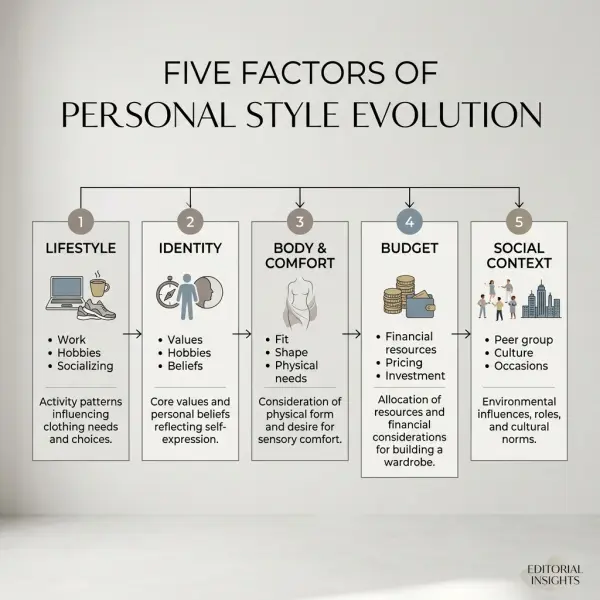
Personal style evolves over time because people do not remain the same. Their lifestyle, work environment, body, budget, confidence, cultural references, values, and daily routines change. As those factors shift, the way they choose, combine, and emotionally relate to clothing also changes.
For fashion businesses, this matters because personal style is not only an aesthetic preference. It is connected to identity, self-presentation, comfort, social context, and practical life needs. A customer who once bought highly experimental pieces may later prefer refined essentials. A professional entering leadership may seek sharper tailoring. A parent may prioritize ease and durability without wanting to lose elegance. A younger consumer may explore trends quickly, while an older consumer may become more selective.
The key insight is that style evolution is not a rejection of the past. It is usually a process of refinement. People keep some style signals, leave others behind, and reinterpret familiar pieces through new priorities. Brands that understand this can build better assortments, stronger customer relationships, and more relevant style communication.
Understanding Personal Style as an Evolving System
Personal style is often described as if it were a fixed destination: once someone “finds” it, the work is done. In reality, style is closer to a living system. It develops through repeated choices, lived experience, social exposure, emotional memory, and practical constraint. A person may have consistent preferences—such as neutral colors, tailored silhouettes, romantic details, or sporty comfort—but the way those preferences appear can change significantly over time.
This distinction is important for fashion businesses. A customer’s style does not evolve randomly. It often changes in response to visible life shifts: career growth, relocation, motherhood, aging, income changes, climate, cultural environment, wellness priorities, or the desire to project a different image. It can also change through subtler internal shifts, such as growing confidence, changing body perception, or becoming less interested in external validation.
Academic work on personal clothing style and self-concept supports the idea that personal style is not simply about garments. It is tied to self-presentation, embodiment, lived experience, and how people understand themselves. This does not mean every purchase is deeply symbolic. Many purchases are practical. But over time, the wardrobe becomes a record of what a person needs, values, admires, and wants to communicate.
From a business perspective, this makes personal style a valuable lens for understanding demand. Instead of seeing customers only as trend adopters, brands can study how their customers move through style phases. That shift helps companies design more relevant collections, create better styling guidance, and avoid treating every seasonal change as a completely new consumer desire.
The Difference Between Fashion Change and Style Evolution
Fashion changes externally. Personal style evolves internally.
Fashion change is usually driven by the market: runway influence, retail cycles, media visibility, celebrity dressing, social platforms, subcultures, material innovation, and commercial merchandising. These forces introduce new colors, shapes, proportions, styling formulas, and aesthetic codes into public view.
Style evolution, however, happens when a person filters those external influences through personal relevance. A trend becomes part of someone’s style only when it fits their identity, lifestyle, body, budget, comfort level, or social world. This is why two people can respond to the same trend differently. One may adopt the full look. Another may only borrow a color. Another may ignore it completely.
For example, wide-leg trousers may enter the market as a trend, but they become part of personal style for different reasons. A creative professional may like the relaxed volume. A modest dresser may appreciate the coverage. A commuter may value comfort. A luxury customer may choose tailored wool versions for elegance. The same silhouette can serve different style narratives.
This is where the next article in the cluster, building a signature style without following every trend, can go deeper. This article focuses on the evolution process itself: why people change, what influences that change, and how brands can respond intelligently.
Why Personal Style Changes Across Life Stages
Personal style often changes because life demands different forms of dressing. A student, a young professional, a business owner, a new parent, a frequent traveler, and a senior executive may all value self-expression, but their wardrobes have to solve different problems.
In youth, style exploration is often linked to identity testing. People may experiment with subcultures, silhouettes, colors, brands, and visual references to discover what feels authentic. This phase can look inconsistent from the outside, but it is commercially important. It is where consumers learn what they like, what they reject, and which brands feel aligned with their emerging identity.
As consumers enter more structured work and social environments, style often becomes more strategic. Clothing is no longer only about taste; it also has to support credibility, professionalism, comfort, and situational appropriateness. This does not mean personal style becomes boring. It means the wardrobe has to negotiate more contexts.
Later, many consumers become more selective. They may buy fewer items, invest more in quality, refine their color palette, prioritize fit, or choose pieces that work across multiple settings. This evolution is not simply age-related. It is often linked to accumulated experience. People learn which garments they actually wear, which purchases become wardrobe mistakes, and which design details make them feel most like themselves.
For fashion brands, the lesson is clear: style evolution is closely connected to use-case evolution. A customer’s changing life creates new wardrobe jobs to be done.
Common life-stage triggers include:
- entering university or a new social environment;
- starting a first professional role;
- moving into leadership or public-facing work;
- changing body shape, comfort needs, or mobility needs;
- becoming a parent or caregiver;
- relocating to a different climate or culture;
- increasing income and purchasing power;
- shifting toward health, sustainability, modesty, minimalism, or other personal values;
- retiring or redesigning daily routines.
These triggers do not create identical style outcomes for everyone. The same life change can push one consumer toward minimalism and another toward more expressive dressing. The strategic point is not to stereotype age groups, but to understand the new context shaping wardrobe decisions.
The Role of Identity, Confidence, and Self-Presentation
Clothing is not only worn on the body. It is also used in social space. People dress for themselves, but they also dress in relation to work, community, culture, aspiration, memory, and belonging.
Research on fashion as self-expression examines how self-concept, brand personality, media, and civic engagement can influence the use of fashion as a vehicle for expression. For business readers, the practical takeaway is not that every shopper consciously “expresses identity” with every garment. Rather, style decisions often carry meaning beyond utility, especially when clothing is visible, socially coded, or emotionally significant.
Confidence also plays a role. A person may admire bold colors for years before feeling comfortable wearing them. Another may move from logo-heavy dressing to quieter garments after developing a stronger internal sense of status. Someone who once used trends to feel included may later use selective dressing to feel distinct.
The idea of enclothed cognition also adds nuance. The original research introduced the term to describe how clothes may influence psychological processes through both symbolic meaning and the physical experience of wearing them. Brands should be careful not to exaggerate this into a universal promise that a garment will automatically make someone confident or successful. Still, it supports a practical truth many consumers recognize: what people wear can influence how they feel prepared, focused, elegant, relaxed, authoritative, or expressive.
This is why style evolution often follows emotional readiness. Customers may not buy the most expressive version of a look immediately. They may start with a safer interpretation, then gradually adopt more distinctive pieces as confidence grows.
How Culture and Environment Shape Style Evolution
Personal style is personal, but it is never developed in isolation. Culture, religion, climate, workplace norms, local retail availability, media exposure, and community expectations all influence how people dress.
A consumer living in a warm, humid city may develop a different interpretation of elegance from someone living in a colder urban environment. A modest fashion customer may evolve through changes in layering, fabric weight, color, and silhouette while maintaining consistent coverage principles. A creative industry worker may have more freedom to experiment than someone in a conservative corporate setting. A customer in a market with strong tailoring culture may value fit differently from one in a casualwear-driven market.
This matters for global fashion businesses because “personal style” cannot be reduced to a single Western individualist idea. In many markets, style is shaped by family expectations, religious practices, professional hierarchy, regional aesthetics, social occasions, and climate practicality. A global brand that ignores these differences risks producing style advice that feels irrelevant or culturally tone-deaf.
Environment also affects wardrobe rhythm. Customers in cities with strong public transportation may prioritize shoes, bags, layering, and wrinkle-resistant fabrics. Customers who move between office, home, school pickup, and social activities may value pieces that shift across contexts. Consumers in digital-first work environments may care more about upper-body styling, comfort, and screen presence.
Personal style evolves as people negotiate these environments. Brands that study this negotiation can develop products and content that feel genuinely useful rather than purely aspirational.
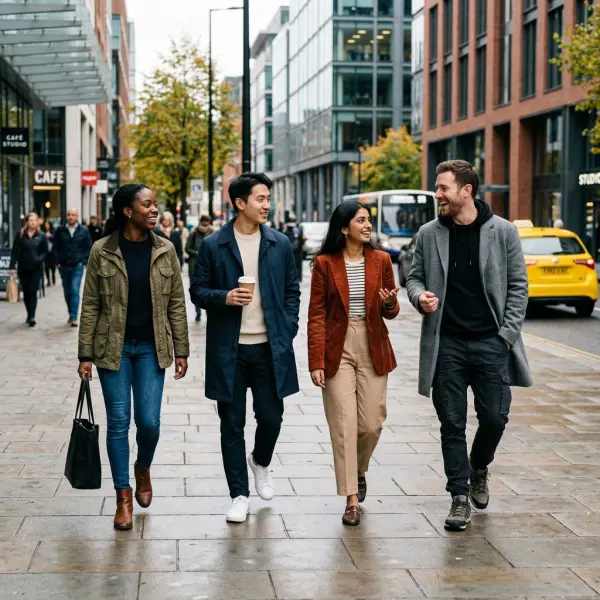
The Wardrobe as an Archive of Style Decisions
A wardrobe is not just inventory. It is an archive of past decisions.
Some garments remain because they still serve the current self. Others remain because they are connected to memory, aspiration, guilt, or the hope that they may become useful again. This is one reason personal style evolution can be slow. People may know their taste has changed before their wardrobe reflects it.
Fashion businesses often focus on acquisition: what will make a customer buy now? But style evolution is also shaped by what customers keep, repeat, alter, repair, resell, donate, or stop wearing. These behaviors reveal more about long-term style identity than a single purchase.
A customer’s repeat behavior may show a stable preference for certain design codes:
- a consistent color base, such as black, navy, camel, cream, denim, or olive;
- recurring silhouettes, such as relaxed tailoring, A-line skirts, boxy shirts, or long outerwear;
- preferred fabric sensations, such as crisp cotton, soft knits, fluid viscose, linen texture, or structured wool;
- comfort boundaries, such as heel height, neckline depth, sleeve length, waistband type, or garment weight;
- styling rituals, such as tucking shirts, layering jewelry, wearing scarves, rolling cuffs, or pairing sneakers with tailored pieces.
These patterns are commercially useful because they show where a customer’s style has continuity. Evolution does not erase continuity. In many cases, consumers update the surface while keeping deeper preferences intact.
A brand that understands this can design collections with enough novelty to feel fresh but enough continuity to feel recognizable. This is especially important for brands that want long-term customer loyalty rather than one-season trend traffic.
How Digital Media Accelerates Style Experimentation
Digital platforms have changed the speed and visibility of style evolution. Consumers now encounter more aesthetics, outfit formulas, creators, resale finds, styling hacks, and micro-trends than previous generations could access through magazines, malls, or local communities alone.
This exposure can help people discover style possibilities faster. A consumer can learn about capsule wardrobes, modest layering, vintage sourcing, quiet luxury, dopamine dressing, office styling, Korean minimalism, Scandinavian simplicity, or maximalist accessorizing in a single afternoon. For brands, this expands the vocabulary of style.
But there is also a trade-off. When consumers are exposed to too many aesthetics too quickly, they may confuse inspiration with identity. They may buy into looks that photograph well but do not fit their daily life. They may feel pressure to constantly reinvent themselves. They may also experience style fatigue, where the volume of options makes decision-making harder.
For fashion businesses, this creates a more complex customer journey. A customer may discover a trend through social media, compare it with influencer styling, look for affordable versions, save luxury references, check resale platforms, and then wait weeks before purchasing. The path from inspiration to ownership is rarely linear.
The better response is not simply to produce more content. It is to create style guidance that helps customers interpret trends through their own lives. This is where the third article in the cluster, why personal style matters more than fashion trends, becomes especially relevant. Trends can create discovery, but personal style creates lasting relevance.
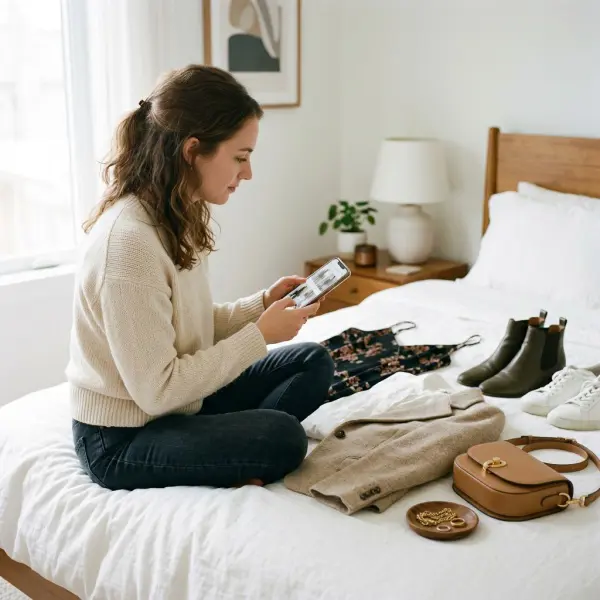
What Style Evolution Means for Fashion Brands
For fashion businesses, personal style evolution should influence product development, merchandising, content strategy, CRM, and customer retention. A brand that understands how style changes can serve customers across multiple phases instead of losing them when their taste matures.
This is especially relevant for brands positioned around lifestyle rather than single-product novelty. If a customer originally comes to a brand for trend-led pieces but later needs better quality essentials, the brand must decide whether it will evolve with them or remain fixed in one aesthetic moment. Both strategies can work, but the choice must be intentional.
A useful approach is to map customer style evolution into product layers:
- Entry pieces: accessible items that help new customers test the brand’s aesthetic.
- Core pieces: repeatable wardrobe anchors that express the brand’s long-term value.
- Progression pieces: more refined, premium, or distinctive items for customers whose style confidence has grown.
- Occasion pieces: garments that support new life moments, such as work events, travel, celebrations, leadership roles, or formal settings.
- Styling bridges: accessories, outerwear, layering pieces, and footwear that help customers update existing wardrobes without replacing everything.
This structure helps brands avoid over-reliance on seasonal novelty. It also gives merchandising teams a clearer way to serve both new and returning customers.
A customer does not always want a completely new identity. Often, they want a better version of their current wardrobe. That is a different design challenge.
Product Development Implications
Personal style evolution has direct implications for product development. If brands only chase visible trends, they may miss deeper shifts in how customers want clothing to function.
Fit, fabric, durability, care, styling versatility, and emotional longevity become more important as customers refine their style. A consumer who once tolerated discomfort for visual impact may later reject garments that do not move well, wash well, or integrate into daily life. This does not mean visual appeal becomes less important. It means aesthetic value and practical value must work together.
Design teams can use style evolution insights to ask better questions during development:
- Does this garment support a real lifestyle context?
- Can it be styled by both experimental and refined customers?
- Does it work beyond one trend cycle?
- What existing wardrobe pieces will customers pair it with?
- Is the fabric appropriate for the intended use case?
- Does the garment solve a new need for an existing customer?
- Is the design distinctive enough to justify purchase, but wearable enough to retain value?
These questions move the conversation from “what is trending?” to “why would this matter in someone’s wardrobe?”
For manufacturers and sourcing teams, this also affects material and construction decisions. If a brand wants to serve customers through style maturity, quality consistency becomes more important. Returning customers notice changes in fabric hand feel, garment fit, shrinkage, stitching, colorfastness, and finishing. A brand cannot build long-term style trust if the product experience is inconsistent.
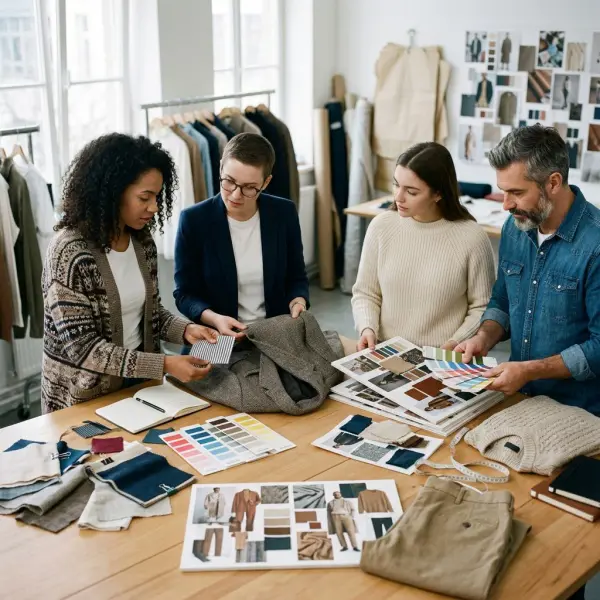
Retail and Merchandising Implications
Retailers can also benefit from understanding style evolution. Many merchandising strategies still organize products mainly by category, trend, color, or occasion. Those structures are useful, but they do not always reflect how customers think about style development.
A customer may not search for “a woven blouse.” She may be trying to look more polished at work without feeling overdressed. Another customer may not want “a midi skirt.” She may want a softer alternative to trousers that still feels modern. The product category is only the retail language. The style need is the customer language.
Merchandising can become more relevant when it supports style transitions. Examples include:
- “From casual to polished” outfit edits;
- “Workwear that still feels personal” collections;
- “Refined weekend dressing” capsules;
- “Soft tailoring for everyday movement” edits;
- “Color updates for a neutral wardrobe” stories;
- “Accessories that refresh familiar outfits” guides.
These approaches help customers evolve without feeling pressured to abandon their existing wardrobe. They also make retail content more useful for AI search, guided shopping, and recommendation systems because the language reflects intent, not only product taxonomy.
For physical retail, sales associates can use style evolution cues in conversation. Instead of asking only what size or color a customer wants, they can ask what has changed in the customer’s life, what no longer feels right in her wardrobe, or what she wants her clothing to do differently now. Those questions often reveal purchase motivation more clearly than trend preference.
Branding Implications: Staying Recognizable While Customers Change
Brands face a delicate challenge. Customers evolve, but brands still need recognizable identity. If a brand changes too much, it may lose its core audience. If it does not evolve enough, loyal customers may outgrow it.
The best brands usually do not chase every customer phase. They define a strong point of view, then create enough depth for customers to grow within that world. A minimalist brand might evolve through better fabrics, sharper proportions, and richer styling. A romantic brand might mature through more refined prints, controlled volume, and elevated occasionwear. A modest fashion brand might develop broader lifestyle capsules while maintaining coverage, elegance, and comfort.
Brand evolution should feel like a coherent progression, not a panic response to declining relevance. Customers are often willing to follow a brand into new territory when the underlying values remain clear.
This requires discipline. Brands should know which elements are flexible and which are non-negotiable. Color palette may evolve. Fit blocks may improve. styling may modernize. But the brand’s deeper promise—ease, elegance, creativity, confidence, modesty, utility, craftsmanship, or cultural relevance—needs continuity.
Personal style evolution creates opportunity for stronger brand relationships. A brand can become part of a customer’s life story, not just part of her seasonal shopping list.
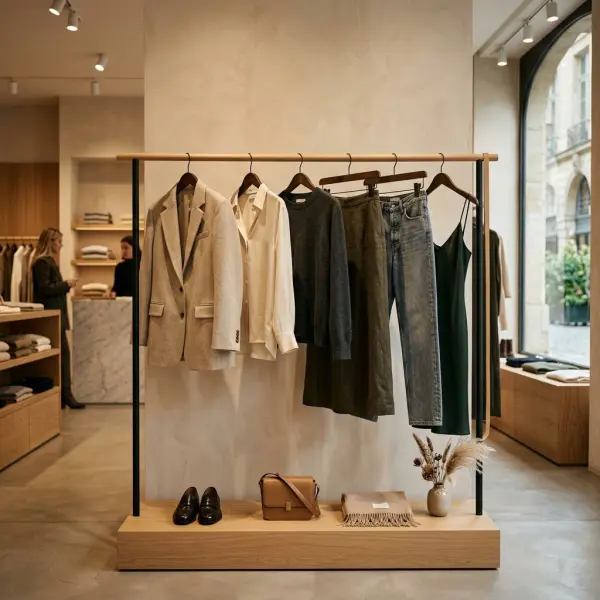
Common Mistakes When Interpreting Personal Style Evolution
One common mistake is assuming that style evolution always means becoming minimalist. Many consumers do become more selective over time, but selectivity does not always lead to simplicity. Some people become more expressive with age because they understand themselves better and feel less pressure to conform.
Another mistake is treating age as the primary predictor of style. Age matters, but it is often less useful than lifestyle, profession, climate, income, cultural context, and confidence. A 45-year-old creative founder and a 28-year-old corporate lawyer may have more in common stylistically than two consumers of the same age in different life contexts.
Brands also make mistakes when they confuse trend fatigue with lack of fashion interest. A customer may be tired of constant novelty but still deeply interested in clothing. She may want better styling, better quality, better fit, and more meaningful design. If the brand only offers novelty, it may misread her as disengaged.
There is also a risk of over-personalization. Data can show purchase patterns, but it does not always explain why a customer’s style is changing. A customer buying more neutral clothing may be maturing her wardrobe, preparing for a new job, reducing decision fatigue, responding to budget pressure, or simply experimenting with a new aesthetic. The same behavior can have different motivations.
A better approach combines behavioral data with qualitative insight: reviews, customer interviews, styling consultations, return reasons, community feedback, and social listening. Style evolution is visible in data, but it is understood through context.
What Brands Should Verify Before Acting
Personal style can be a powerful strategic lens, but it should not become an excuse for vague assumptions. Before acting on style evolution insights, brands should verify what is actually changing in their customer base.
Important questions include:
- Are customers changing their aesthetic preferences, or are they changing use cases?
- Are returns caused by fit, fabric, styling mismatch, quality concerns, or unclear product expectation?
- Are loyal customers aging out of the brand, or is the brand failing to offer progression products?
- Are trend-led items bringing new customers who never return?
- Which products generate repeat purchases, not just first-time attention?
- Which styling stories lead to higher conversion or lower returns?
- Do customers describe the brand in the same way the brand describes itself?
The answers help separate real style evolution from merchandising noise. A spike in one product category may reflect weather, promotion, influencer exposure, or inventory availability rather than a deep shift in personal style.
Businesses should also be careful with cultural interpretation. A style shift in one market may not translate globally. The same silhouette, color, or styling message can carry different meanings across regions. Verification protects brands from overgeneralizing.
How Fashion Businesses Can Apply the Insight Strategically
The practical application begins with customer segmentation. Instead of segmenting only by age, price point, or category preference, brands can build style-maturity segments. These do not have to be complex. A simple model might include explorers, refiners, loyalists, occasion-driven customers, and redefinition customers.
Explorers are testing different aesthetics. Refiners know what they like and want better versions. Loyalists return for consistent brand codes. Occasion-driven customers enter during specific life moments. Redefinition customers are actively changing how they want to dress.
Each group needs different product and content support. Explorers need inspiration and low-risk entry products. Refiners need quality, fit, and styling depth. Loyalists need continuity with subtle freshness. Occasion-driven customers need confidence and clarity. Redefinition customers need guidance without judgment.
Fashion businesses can apply this across several functions:
- Product development: create progression pieces that help customers mature within the brand.
- Merchandising: organize edits around style transitions, not only product categories.
- Content: publish styling guidance that helps customers adapt trends to real life.
- CRM: send recommendations based on wardrobe needs and repeat behavior, not only recent browsing.
- Retail training: teach teams to identify life-stage and style-transition cues.
- Sourcing: maintain quality consistency in core products that loyal customers repeatedly buy.
- Brand strategy: define which style codes can evolve and which must remain stable.
The goal is not to predict every customer’s personal journey. That would be unrealistic. The goal is to create a brand system flexible enough to support evolution while still feeling coherent.
FAQ
What does it mean when personal style evolves?
Personal style evolves when someone’s clothing choices begin to reflect new needs, values, confidence levels, lifestyle contexts, or identity signals. It does not always mean a dramatic aesthetic change. Sometimes the evolution is subtle: better fit, calmer colors, more refined fabrics, fewer impulse purchases, or stronger preference for garments that work across multiple occasions. For fashion businesses, this means style evolution should be read through behavior over time, not one purchase. A customer’s changing basket, return reasons, styling questions, and repeat purchases often reveal where her wardrobe needs are moving.
Why do people change their personal style over time?
People change their personal style because their lives change. Career shifts, social environments, body changes, climate, income, cultural exposure, confidence, and daily routines all affect clothing decisions. A person may also become more aware of what feels authentic and what only felt appealing because of social pressure or trend exposure. This is why personal style evolution is often a refinement process. People keep certain preferences but reinterpret them through new circumstances. Brands that understand this can offer more relevant products instead of assuming every customer wants constant reinvention.
Is personal style the same as fashion taste?
Personal style and fashion taste are related, but they are not the same. Fashion taste refers to what someone likes aesthetically. Personal style is broader because it includes how those preferences are applied in real life. Someone may admire dramatic runway looks but wear refined, practical clothing because of work, climate, budget, or comfort. Another person may love minimal design but express it through bold accessories. Fashion taste can inspire desire, while personal style determines what actually becomes part of the wardrobe.
How can fashion brands identify changes in customer style?
Brands can identify style changes by looking at both quantitative and qualitative signals. Purchase history, category shifts, repeat purchases, returns, wishlists, size exchanges, and product reviews can show what customers are choosing. Customer interviews, styling consultations, community comments, and social media conversations can explain why those choices are changing. The strongest insight comes from combining both. Data may show that customers are buying more tailored pieces, but qualitative feedback may reveal whether they want professionalism, better fit, modest coverage, or more versatile dressing.
Does personal style become more stable with age?
Personal style often becomes more selective with experience, but it does not necessarily become static. Many people develop clearer preferences over time because they understand what suits their body, lifestyle, and identity. However, they may still experiment with color, proportion, accessories, or new styling contexts. Age alone is not a reliable predictor. Profession, culture, income, lifestyle, confidence, and social environment may be more useful. Brands should avoid assuming that older customers only want classic simplicity or that younger customers only want trend-driven novelty.
Why is personal style important for customer retention?
Personal style matters for retention because customers are more likely to return to brands that continue to fit their evolving lives. If a brand only serves one short-term aesthetic moment, customers may leave when their needs mature. But if the brand offers coherent progression—better essentials, refined silhouettes, updated styling, reliable quality, and occasion-relevant pieces—it can stay relevant longer. Retention is not only about discounts or loyalty points. In fashion, it is also about whether the brand still feels like it understands the customer.
Can AI or personalization tools predict personal style evolution?
AI and personalization tools can help identify patterns, but they should not be treated as complete explanations of personal style. Purchase data may show what a customer bought, but not always why she bought it or whether the item became meaningful in her wardrobe. AI can support product recommendations, styling suggestions, segmentation, and trend detection, but human context remains important. For fashion businesses, the best approach is to use technology as a decision-support tool while still collecting qualitative insight from real customers.
Conclusion
Personal style evolves because people evolve. Clothing follows changes in identity, routine, confidence, work, culture, body, budget, and emotional need. The process is rarely linear. Some consumers experiment, then refine. Others simplify, then become expressive again. Many keep a stable style foundation while updating the details around it.
For fashion businesses, the opportunity is significant. Understanding personal style evolution helps brands move beyond seasonal trend reaction and build deeper relevance. It encourages better product architecture, smarter merchandising, more useful content, stronger customer retention, and more respectful communication.
The most successful approach is not to tell customers who they should become. It is to understand who they are becoming and offer clothing that supports that transition with clarity, quality, and taste.




Comments 0
Leave a CommentSend Comment
Anda harus Login terlebih dahulu untuk dapat memberikan komentar.