
Why Seasonless Wardrobes Appeal to Modern Consumers
Quick Answer
A seasonless wardrobe appeals to many modern consumers because it prioritizes garments that can be used across more months, settings, and outfit combinations instead of being tied closely to one short fashion season. The attraction is practical: fewer pieces become temporarily irrelevant, purchases can feel easier to justify, and familiar garments can be restyled as temperature, work patterns, travel, or social plans change.
Seasonless does not mean that one wardrobe works in every climate or that trends disappear. Extreme heat, cold, rain, formal events, protective work, and cultural requirements still create specialized clothing needs. Nor does a versatile garment automatically have a lower environmental impact. That depends on how it was produced, how often and how long it is used, how it is cared for, and what purchases it actually replaces.
For fashion businesses, the commercial opportunity lies in building credible repeat use: compatible colors and silhouettes, adaptable fabric weights, useful layering relationships, clear fit guidance, and styling that shows several realistic occasions. The model works best when brands sell relevance and utility rather than presenting seasonless clothing as a universal sustainability solution or a wardrobe made entirely of neutral basics.
What Is a Seasonless Wardrobe?
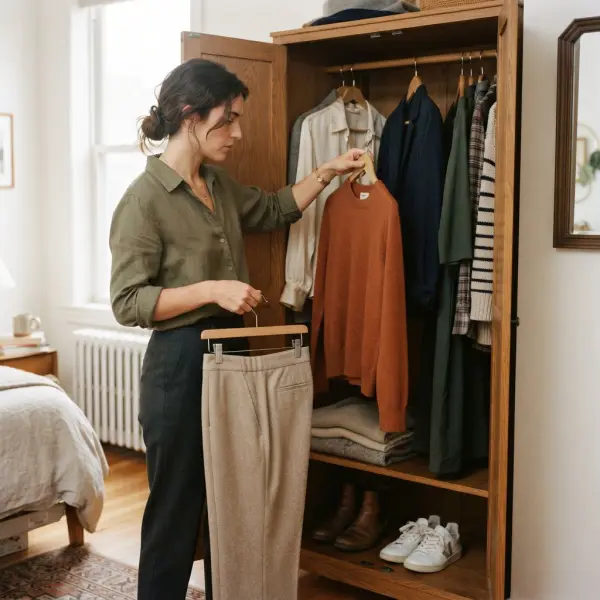
A seasonless wardrobe is a collection of garments selected or designed for useful wear across multiple parts of the year, with climate-specific additions when necessary. Its core pieces are not restricted to a narrow retail season or a single styling formula. They can be worn alone, combined with other garments, or adjusted for different settings.
The term is relative. A fine-gauge knit may work through most of the year in a mild climate but only during a short transitional period in a tropical or very cold region. A breathable long-sleeved shirt may be useful in humid outdoor conditions, air-conditioned interiors, and cooler evenings, while a substantial wool coat remains inherently seasonal in many markets.
This distinction matters because “seasonless” is often used as an aesthetic label. Retail imagery may reduce it to beige tailoring, white shirts, denim, and simple knitwear. Those pieces can be versatile, but the concept is not defined by neutral color or minimalist taste. Printed dresses, modest clothing, workwear, sportswear, and more expressive garments can also be seasonless when they suit repeated use across the wearer's actual calendar.
Seasonless wardrobe planning is therefore less about removing seasons than reducing unnecessary dependence on them.
Why Does the Idea Feel Relevant to Modern Consumers?
The appeal comes from several pressures converging in everyday life. Consumers may move between home, work, travel, social events, and different indoor climates in the same week. Retail calendars can introduce new-season merchandise while local weather still resembles the previous period. Rising living costs can make a narrowly useful purchase harder to justify. At the same time, digital media exposes shoppers to a faster cycle of looks than most people can realistically buy or wear.
A seasonless wardrobe offers a counterweight: not an escape from fashion, but a way to make clothing decisions around actual use. Its value is strongest for consumers who repeatedly ask whether a garment will coordinate with what they own, work in more than one setting, and remain relevant after the current styling moment passes.
Fashion demand remains fragmented. Some shoppers enjoy novelty, occasion dressing, or sharply seasonal products, while others need technical garments for climate or work. Seasonless appeal is one preference within a varied market, not a replacement for seasonal fashion.
Versatility Can Make a Purchase Easier to Justify
A garment that works across several outfits and occasions can offer more potential use than one bought for a single look. This is attractive when consumers are evaluating price against practical value. A well-cut overshirt might serve as a top, light jacket, travel layer, and casual work piece. A simple dress might shift between everyday wear and an informal event through footwear, outerwear, and accessories.
Potential use is not the same as actual use, however. Consumers frequently overestimate versatility at the point of purchase. A garment may appear adaptable in campaign imagery but conflict with the wearer's shoes, underwear, outerwear, care routine, or workplace requirements. True wardrobe value depends on compatibility with real possessions and habits.
This is where fashion businesses can make the idea more concrete. Showing three believable use cases is more persuasive than describing a product as “endlessly versatile.” The styling should reveal what changes, what remains constant, and whether the garment works without requiring several additional purchases.
A More Coherent Wardrobe Can Reduce Daily Friction
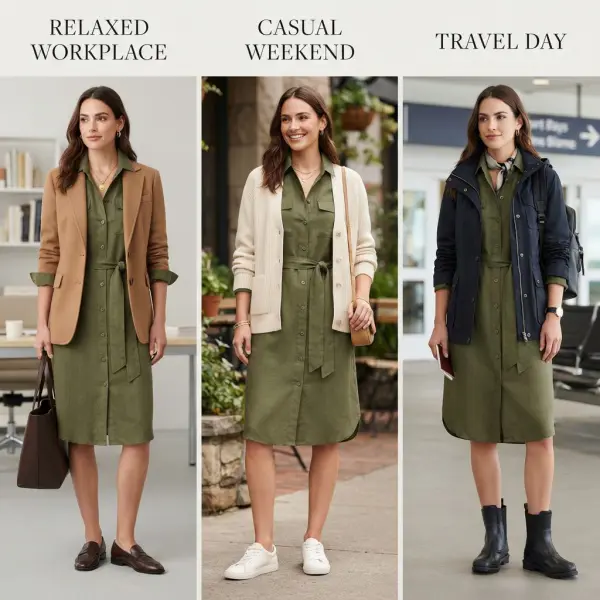
Many consumers are not seeking the smallest possible wardrobe. They are seeking one that is easier to use. A closet can contain many attractive garments and still feel difficult if colors clash, silhouettes require different undergarments, care needs are incompatible, or most pieces serve rare occasions.
Seasonless planning appeals because it encourages relationships between garments. The buyer considers whether a new shirt fits beneath an existing jacket, whether trousers work with several shoes, or whether a dress can be worn with and without an outer layer. This can make outfit building feel more predictable without eliminating personal expression.
The benefit is organizational rather than psychological proof of “decision fatigue.” Consumers may simply appreciate knowing that several items work together. For a parent preparing quickly, a frequent traveler packing lightly, or a professional moving between hybrid work settings, that reliability has tangible value.
Retailers can support it through consistent fit blocks, coordinated color stories, repeatable fabrics, and product-page recommendations based on physical compatibility. Recommendations built only from matching colors may fail when sleeve volume, garment length, or dress code makes the combination impractical.
Seasonless Clothing Fits Less Predictable Lifestyles
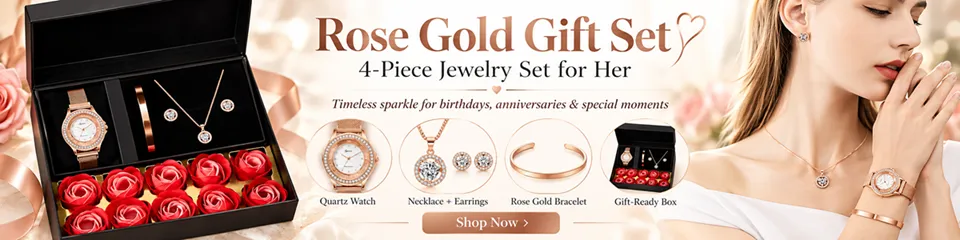
Traditional seasonal wardrobes assume relatively stable boundaries: work clothing, weekend clothing, travel clothing, and occasion clothing occupy separate areas. Many consumers still live this way, but others move between categories more frequently. Hybrid work, variable schedules, commuting, travel, caregiving, and multi-purpose social spaces can make rigid wardrobe divisions less useful.
A seasonless wardrobe supports these shifts when the garments can change role without becoming costume-like. Soft tailoring can move between a meeting and a casual dinner. A refined knit may work on a video call, during travel, and under a coat. Practical flat shoes can support a commute while remaining credible at the destination.
The key is not maximum adaptability. It is relevant adaptability. A garment designed to cover every possible scenario often becomes compromised: too formal for leisure, too casual for work, too warm for summer, and too light for winter. Better seasonless design identifies two or three adjacent uses and performs them well.
For changing conditions within a day, consumers may still need transitional dressing for changing weather and daily life. Seasonless planning concerns the wardrobe's longer wearing window; transitional dressing concerns adjustment during a particular day or weather period.
Personal Style Can Matter More Than Seasonal Novelty
Some consumers use a seasonless wardrobe to strengthen a recognizable personal style. They repeat silhouettes, proportions, colors, or garment categories because those choices fit their body, identity, and daily life—not because they are unaware of trends.
This can create a different relationship with fashion. Newness comes from combination, proportion, accessories, or one selective update rather than a complete seasonal replacement. A person may keep wearing wide trousers and fitted knits while changing outerwear, footwear, and color accents. Another may build around long dresses and lightweight layers throughout the year.
Seasonless does not have to mean visually quiet. The useful test is whether an expressive piece participates in several credible outfits. A printed jacket worn repeatedly may contribute more to personal style than a plain garment bought for versatility but rarely chosen.
Brands serving this customer benefit from continuity. Recognizable fit blocks, restocked core colors, and new pieces that coordinate with earlier collections can build trust. Constantly changing sizing, fabric quality, or silhouette undermines the promise that the wardrobe can evolve rather than restart.

Underused Wardrobes Help Explain the Appeal
One reason versatility resonates is that ownership does not guarantee wear. Consumers may keep clothing that no longer fits comfortably, is reserved for rare occasions, has fallen out of favor, or requires styling partners they do not own.
In a 2021 survey of 6,000 UK adults who purchased clothing for themselves, WRAP reported that respondents owned an average of 31 items that had not been worn in the previous year—just over a quarter of the clothing in a typical surveyed wardrobe. Reasons varied by product, with occasion-only use, poor or uncomfortable fit, and low priority among the recurring explanations. The WRAP clothing longevity and wardrobe-use research is specific to the UK sample and should not be treated as a global estimate, but it illustrates a broader commercial problem: garments can remain physically present while becoming functionally inactive.
Seasonless products may help address some forms of underuse, particularly when they reduce occasion dependence and coordinate with more of the wardrobe. They cannot solve fit changes, poor quality, discomfort, inaccurate product information, or a mismatch with the buyer's identity. Versatility is one contributor to use, not a guarantee.
For businesses, this suggests a better performance question than “How many ways can we style it for a campaign?” The more useful question is “How many of those ways are likely to fit the customer's actual life?”
Economic Appeal: Cost per Wear, With Important Limits
Cost per wear is commonly used to explain the financial logic of versatile clothing. The calculation divides the purchase price by the number of times the garment is worn. A more expensive item can appear economical if it is used frequently, while a cheap item worn once may have a high cost per wear.
The concept has limits. Future wear counts are uncertain, repair and care can add costs, and a premium price does not prove durability. It also ignores affordability at purchase: understanding long-term value does not make a higher upfront price accessible.
Seasonless wardrobes appeal economically when three conditions align:
- the product is affordable within the customer's budget;
- it performs across enough real situations to be chosen frequently;
- its fit, construction, and appearance remain acceptable through repeated wear and care.
Brands should therefore avoid using cost per wear as a moral argument for higher prices. They can support the value proposition with finished garment measurements, fabric and construction detail, care guidance, repair support, and evidence of durability where available. Utility needs proof at product level.
Is a Seasonless Wardrobe More Sustainable?
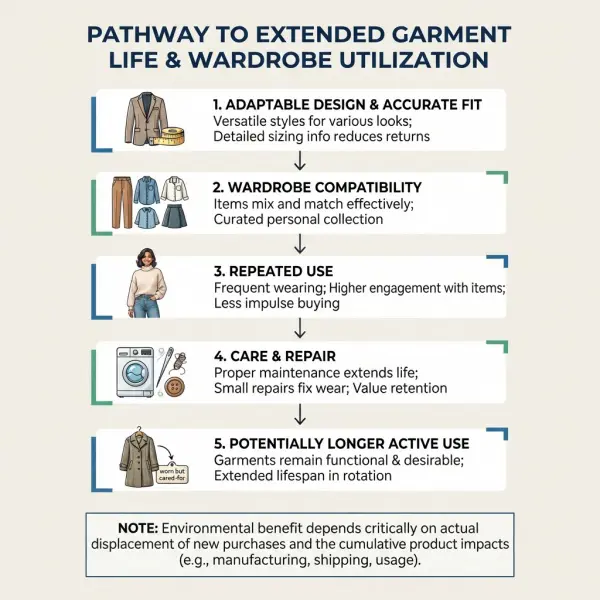
Not automatically. A seasonless wardrobe may support longer and more frequent use, which can help reduce replacement demand if consumers buy fewer new garments as a result. But the label alone says nothing about raw materials, manufacturing, labor conditions, transport, care, durability, repairability, or end-of-life outcomes.
The environmental case depends on behavior as well as design. A “timeless” jacket purchased alongside the same volume of trend-led clothing does not necessarily displace production or consumption. A versatile garment that loses shape quickly, pills severely, or cannot be repaired may not remain in active use. Conversely, a clearly seasonal coat worn for many winters can have a long service life despite being unusable in summer.
The European Environment Agency identifies significant environmental pressures from textile production and consumption and notes that circular approaches include retaining textile value and extending product life cycles. Its overview of textiles and circularity in Europe also makes clear that progress requires design, business, policy, infrastructure, and consumer-behavior changes. Seasonless design can contribute to longer use, but it is only one part of that system.
Brands should be particularly careful with broad language. UK Competition and Markets Authority guidance advises fashion businesses to make environmental claims clear, accurate, and supported, and to avoid vague terms such as “sustainable” or “eco-friendly” when they may create a misleading overall impression. The CMA fashion guide for green claims is UK-specific, but the editorial principle is broadly useful: describe the product's verified characteristics and conditions of use instead of turning “seasonless” into an unsupported environmental promise.
Seasonless Wardrobe, Capsule Wardrobe, and Timeless Style: What Is the Difference?
These concepts overlap but are not interchangeable. A wardrobe can be seasonless without being small, and a capsule can be built for one specific season. “Timeless” usually describes perceived aesthetic longevity, which is subjective and culturally dependent.
|
Concept |
Primary goal |
Typical characteristic |
What it does not guarantee |
|
Seasonless wardrobe |
Extend useful wear across more of the year |
Adaptable fabric weights, compatibility, flexible styling |
Suitability for every climate or lower environmental impact |
|
Capsule wardrobe |
Create many outfits from a limited group of pieces |
Small, coordinated selection |
Year-round use or immunity from changing needs |
|
Timeless style |
Reduce dependence on short-lived aesthetic trends |
Familiar silhouettes and restrained design details |
Universal taste or permanent relevance |
|
Transitional dressing |
Adjust an outfit as weather or settings change |
Removable layers and adaptable coverage |
A complete long-term wardrobe strategy |
|
Minimalist wardrobe |
Reduce quantity or visual complexity |
Fewer possessions or simpler aesthetics |
High utilization, good fit, or sufficient variety |
The distinctions help brands communicate more accurately. A twelve-piece summer capsule should not be called seasonless if most items cannot function beyond warm weather. A brightly colored jacket can be seasonless without being minimalist or conventionally timeless.
Which Garments Are Most Likely to Work Across Seasons?
No product category is inherently seasonless. Suitability depends on climate, fabric, construction, fit, color, care, and the wearer's schedule. Still, some design characteristics can widen a garment's useful window.
Midweight shirts and overshirts can work alone or over lighter tops. Fine-gauge knitwear is often easier to layer than bulky knits. Unlined or partially lined tailoring can reduce weight, although internal finishing must be clean. Dresses with enough coverage to wear alone and enough room for a fine underlayer may adapt well. Trousers in moderate weights can bridge more months than highly insulated or extremely sheer options.
Footwear is often the limiting factor. An outfit may appear seasonless from the ankle upward but fail in rain, heat, cold, or a walking-heavy commute. The relationship between shoes and daily style is explored further in why footwear shapes personal style more than many people realize.
Common characteristics that may support broader use include:
- sufficient opacity and coverage for several settings;
- fabric weight appropriate to the target climate range;
- room for light layering without distorted fit;
- compatibility with several shoes and outer garments;
- care requirements that fit the customer's routine;
- construction capable of repeated wear and cleaning;
- design details that remain understandable outside one campaign trend.
These characteristics need to be tested on finished garments. A fabric described as midweight can behave differently once lined, gathered, quilted, or combined with hardware.
What Seasonless Demand Means for Fashion Businesses
Product development should begin with wearing windows
Teams should define when and where a product is expected to work. “Year-round” is rarely specific enough. A better brief might target mild outdoor temperatures, cool indoor environments, and compatibility with one light underlayer. This guides fabric weight, lining, sleeve volume, closures, and wear testing.
The intended wearing window should reflect the target market rather than headquarters assumptions. A garment positioned as year-round in Northern Europe may be too warm for Southeast Asia. Regional merchandising and localized product descriptions may be more credible than one global claim.
Assortment planning needs continuity without stagnation
Seasonless merchandising does not require selling the same collection indefinitely. Brands can maintain core fits and materials while introducing new colors, prints, proportions, and complementary pieces. Continuity helps customers build on previous purchases; change maintains creative and commercial interest.
Inventory risk remains. Core products can still underperform because of price, fit, color, quality, or weak visibility. Treating them as permanent basics does not remove the need for demand planning, replenishment discipline, and end-of-season decisions.
Merchandising should show repeat use honestly
A credible seasonless story demonstrates the same garment across several months or settings without disguising it through entirely different wardrobes. Product pages can show the garment alone, lightly layered, and combined with an outer piece. Care, fit, opacity, lining, and fabric weight should be described clearly.
Retailers can also link current products to compatible earlier purchases. This gives continuity a commercial function and may improve customer trust. It requires stable product data, accurate color representation, and awareness of changes in fit or fabric between production runs.
Aftercare can strengthen the proposition
If a brand encourages longer use, customers need practical support. Care instructions should be specific enough to protect the garment without becoming unrealistic. Replacement buttons, repair guidance, spare trims, alteration allowances, or repair partnerships may extend use for some products.
Aftercare is not equally scalable for every business. Repair programs involve logistics, skills, cost, turnaround time, and responsibility for unsuccessful repairs. A small brand may begin with clear care education and accessible replacement components before promising a full service network.

Commercial Trade-Offs Brands Should Not Ignore
Seasonless products can create steadier relevance, but they may also reduce the urgency that drives traditional seasonal purchases. If the assortment feels too familiar, customers may postpone buying. Brands need enough design evolution to create interest without contradicting the promise of continuity.
Fabric selection also involves compromise. A midweight material may cover a broad temperature range but be ideal in none of the extremes. Unlined construction can improve adaptability but expose seam finishing and increase manufacturing attention. Colors designed for long coordination may be commercially safe yet fail to create visual impact online or in stores.
The strongest business model does not reject seasonality outright. It separates enduring product value from seasonal storytelling. Core garments provide continuity; climate-specific products and selective newness address conditions, creativity, and customer appetite.
Common Mistakes When Building a Seasonless Offer
Equating seasonless with beige basics
This narrows the concept to one aesthetic and can make the collection visually interchangeable with competitors. The better approach is to define repeatable brand codes—color, proportion, print, fabric, or detail—that remain compatible without removing personality.
Calling garments versatile without testing combinations
A product may be photographed in several looks yet fit poorly under outerwear, require specialized underwear, or coordinate with nothing the customer owns. Layered fit trials, styling with existing products, and honest product information are more valuable than the number of campaign outfits.
Treating “seasonless” as a sustainability certification
The term does not verify materials, manufacturing, durability, use frequency, or environmental impact. Brands should state the specific design intention—such as compatibility across several temperatures or opportunities for repeated styling—without implying a guaranteed environmental benefit.
Ignoring regional climate differences
A centralized campaign may describe one garment as year-round across every market. This can reduce trust when customers know it is unsuitable for local heat, humidity, rain, or cold. Regional content and climate-specific styling are more credible.
Designing for versatility at the expense of distinction
When every detail is removed to make a garment broadly acceptable, the result can feel generic. Consumers still need a reason to choose one brand. Seasonless design should preserve a clear point of view while widening use, not eliminate identity in pursuit of theoretical compatibility.
What Brands Should Verify Before Acting
Before building a seasonless collection or marketing strategy, fashion businesses should verify whether the concept matches their customers, products, and operations.
Key questions include:
- Which climate range and daily settings does each product genuinely serve?
- Can the garment be styled with products customers are likely to own already?
- Does it fit comfortably alone and with the intended layers?
- Can the fabric and construction withstand the expected frequency of wear and care?
- Are core fits, colors, materials, and replacement products consistent enough to support continuity?
- Does the price make sense for the target customer's budget and expected use?
- Are environmental claims specific, supported, and separated from assumptions about versatility?
- How will the assortment retain creative and commercial interest without relying on artificial obsolescence?
Answers should come from customer data, returns, wear trials, fit feedback, product testing, local climate knowledge, and sales history. “Modern consumers want versatility” is too broad to function as a product brief.
Frequently Asked Questions
Does seasonless fashion mean wearing the same clothes all year?
No. It means using a core group of garments across a wider part of the year, while adding climate-specific clothing when conditions require it. A lightweight shirt or midweight trouser may work for many months, but heavy coats, rainwear, protective clothing, or extreme-heat garments still have specialized roles. The concept is relative to local climate and lifestyle. Someone in a mild coastal city will define seasonless differently from a person living with very hot summers and freezing winters.
Is a seasonless wardrobe the same as a capsule wardrobe?
Not necessarily. A capsule wardrobe is a limited selection designed to create multiple outfits. It can be built for a single season, trip, workplace, or life stage. A seasonless wardrobe focuses on extending use across more months, and it may be large or small. The two approaches overlap when a compact group of compatible garments works across several seasons, but neither guarantees the other. Brands should avoid using the terms interchangeably when the product offer meets only one definition.
Why might consumers prefer seasonless clothing?
The main attractions are potential versatility, easier outfit coordination, relevance across changing schedules, and a purchase that may feel useful for longer. Some consumers also prefer building a recognizable personal style rather than replacing their look each season. These motivations vary by budget, climate, age, culture, occupation, and interest in fashion. A consumer who needs technical weather protection or enjoys trend experimentation may still buy strongly seasonal products. Seasonless appeal should therefore be treated as a market segment or preference, not a universal behavior.
Can colorful or printed clothing be seasonless?
Yes. Seasonless describes wearing range, not a neutral color palette. A printed dress, bright jacket, or distinctive shirt can work across several months if its fabric, coverage, fit, and styling relationships suit those conditions. Strong design may even encourage repeated wear by becoming part of the owner's recognizable style. The practical question is whether the garment coordinates with enough of the wardrobe and remains useful outside one campaign moment. Neutral clothing that is uncomfortable or rarely chosen is not inherently more seasonless.
Does buying seasonless clothing save money?
It may improve value when garments are worn frequently, remain in good condition, and replace purchases that would otherwise have been made. Savings are not guaranteed. Higher-priced basics may still fit poorly, wear out, or remain unused, while a seasonal item worn for many years can provide strong value. Consumers should evaluate actual outfit compatibility, care costs, durability evidence, and likely wearing occasions. Brands should support the calculation with transparent product information rather than promising a low cost per wear based on hypothetical use.
Is seasonless fashion automatically sustainable?
No. Seasonless design may support longer or more frequent use, but environmental performance depends on the full product and consumption context. Materials, manufacturing, energy, chemicals, transport, care, durability, repair, disposal, and whether the purchase displaces other consumption all matter. “Seasonless” is not an environmental certification. Brands should communicate verified characteristics and avoid broad green claims. Consumers can treat versatility as one useful factor while still examining quality, care requirements, and evidence behind environmental statements.
How can fashion brands make seasonless products feel new?
Brands can preserve core fits and fabrics while changing color, print, texture, proportion, styling, or complementary categories. New products can be designed to work with earlier purchases rather than replacing them. Editorial content can also show unfamiliar combinations and climate-specific styling. The balance is important: too little evolution can make the range feel static, while constant fit and material changes weaken continuity. A recognizable design language gives customers freshness without requiring the brand to rebuild its proposition every season.
Conclusion
Seasonless wardrobes appeal because they promise relevance beyond a narrow retail moment. For consumers, the value may appear as easier coordination, more potential use, adaptability across changing schedules, or a stronger personal style. For businesses, the opportunity lies in creating products that remain commercially and physically compatible over time.
The concept should stay grounded. Seasonless clothing cannot eliminate climate, specialized needs, trends, or the desire for newness. It does not automatically save money or reduce environmental impact. Those outcomes depend on price, fit, quality, actual wear, care, and whether versatile products change purchasing behavior.
The most credible seasonless strategy is therefore not a wardrobe of anonymous basics marketed as sustainable. It is a considered system of garments with clear wearing windows, enough identity to be chosen repeatedly, and enough continuity to work with what customers already own.





Comments 0
Leave a CommentSend Comment
Anda harus Login terlebih dahulu untuk dapat memberikan komentar.