

Sustainable Fabrics Trends 2026: What Fashion Brands Need to Know
Introduction
Sustainability in fashion is no longer a branding layer—it is becoming a structural decision that shapes product development, sourcing, pricing, and even long-term competitiveness. By 2026, the conversation has shifted from “using eco-friendly materials” to building resilient, traceable, and commercially viable fabric strategies. For fashion brands and garment businesses, this is not just about ethics—it is about risk management, cost control, and market positioning.
What makes this moment different is the convergence of pressures. Consumers are more informed, regulations are tightening in key markets, and supply chain volatility continues to expose weaknesses in traditional material sourcing. At the same time, innovation in textiles—from bio-based fibers to recycled performance fabrics—is expanding the options available to brands. The challenge is no longer access, but selection and integration.
For brand owners, the real question is not whether to adopt sustainable fabrics, but how to choose the right ones for your business model. Not all sustainable materials are equal in cost, scalability, or customer perception. Some enhance margins and storytelling, while others introduce operational complexity without clear return.
This article explores the key sustainable fabric trends shaping 2026 and beyond—not from a theoretical standpoint, but from a business and product perspective. Each trend is unpacked in terms of what it means, why it matters, and how it can be applied in real-world fashion operations.
1. Bio-Based and Regenerative Fibers: From Innovation to Scalable Materials
Bio-based and regenerative fibers refer to materials derived from renewable biological sources—such as plants, agricultural waste, or lab-grown organisms—and produced in ways that restore ecosystems rather than deplete them. This includes fibers like organic cotton, hemp, bamboo, and newer innovations such as mycelium leather and algae-based textiles.
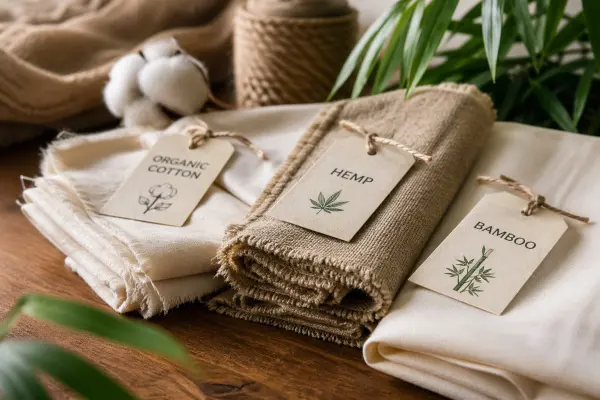
What distinguishes the 2026 landscape is that these materials are moving beyond experimental stages into scalable production. Advances in biotechnology and material science have improved consistency, durability, and cost efficiency. Regenerative agriculture practices, in particular, are gaining traction because they not only reduce environmental impact but actively improve soil health and carbon sequestration.
From a business standpoint, bio-based fabrics offer two major advantages: supply chain resilience and brand differentiation. Unlike petroleum-based materials, they are less exposed to fossil fuel price volatility. At the same time, they provide a strong narrative for brands targeting environmentally conscious consumers—especially in premium and mid-tier segments.
Consider a small fashion brand launching a capsule collection using regenerative cotton. Beyond the fabric itself, the brand can build a story around soil restoration, farmer partnerships, and long-term sustainability commitments. This narrative can justify higher price points and strengthen customer loyalty, particularly in markets where sustainability is becoming a purchasing driver.
The key takeaway is that bio-based materials are no longer niche. They are becoming viable, scalable options—but only if brands align them with their positioning. Not every product line needs regenerative fibers, but strategic integration can create both commercial and brand value.
2. Recycled and Circular Materials: Closing the Loop in Production
Recycled fabrics—such as recycled polyester, nylon, and cotton—are materials created from post-consumer or post-industrial waste. Circular materials go a step further, designed to be reused, recycled, or biodegraded at the end of their lifecycle, minimizing waste and extending material utility.
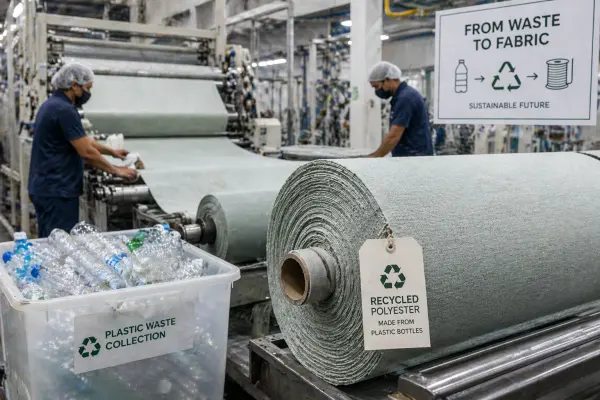
In 2026, the shift toward circularity is being driven not only by sustainability goals but also by regulatory pressure. Markets like the EU are introducing stricter requirements around textile waste and product lifecycle transparency. This makes recycled and circular materials not just an option, but increasingly a compliance necessity for global brands.
For garment businesses, the operational impact is significant. Using recycled materials often requires adjustments in sourcing, quality control, and production processes. Recycled fibers can vary in consistency, which affects dyeing, finishing, and garment durability. However, improvements in recycling technology are reducing these inconsistencies, making them more reliable for large-scale production.
A practical example is activewear brands adopting recycled polyester made from plastic bottles. This not only reduces environmental impact but also aligns with the performance expectations of the category—lightweight, durable, and moisture-wicking. The key is ensuring that the recycled material meets the same functional standards as virgin alternatives.
The insight here is that circular materials are becoming part of the operational baseline. Brands that invest early in understanding and integrating these materials will be better positioned to adapt to future regulations and consumer expectations, while those that delay may face higher transition costs later.
3. Low-Impact Processing: The Hidden Layer of Sustainability
While much attention is given to the type of fiber used, the processing stage—dyeing, finishing, and treatment—often has an equally significant environmental impact. Low-impact processing refers to methods that reduce water usage, chemical inputs, and energy consumption during fabric production.
Technologies such as waterless dyeing, digital printing, and enzymatic finishing are gaining adoption because they address one of the most resource-intensive parts of the textile lifecycle. In many cases, these processes can reduce water consumption by up to 90% compared to traditional methods.
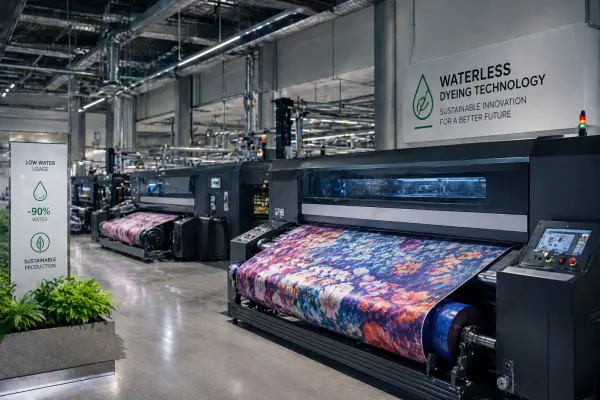
For fashion brands, this trend introduces a different kind of decision-making. Unlike fiber selection, which is visible to consumers, processing improvements are often invisible. However, they can significantly affect production costs, compliance, and scalability. Brands that ignore this layer may miss opportunities for efficiency and risk falling behind regulatory standards.
Imagine a mid-sized garment manufacturer transitioning to digital textile printing. While the initial investment may be higher, the long-term benefits include reduced waste, faster turnaround times, and the ability to produce smaller batches—aligning with the growing demand for on-demand and limited-run fashion.
The takeaway is clear: sustainability is not just about what the fabric is made of, but how it is made. Brands that optimize both layers—material and process—will achieve more meaningful and measurable impact, both environmentally and economically.
4. Transparency and Traceability: Fabrics as Data-Driven Assets
Transparency and traceability refer to the ability to track and verify the origin, processing, and journey of a fabric throughout the supply chain. In 2026, this is becoming a central requirement, not just for compliance but for building trust with increasingly informed consumers.
Technologies such as blockchain, digital product passports, and supply chain mapping tools are enabling brands to provide detailed information about their materials. This includes where the fiber was sourced, how it was processed, and under what conditions it was manufactured.
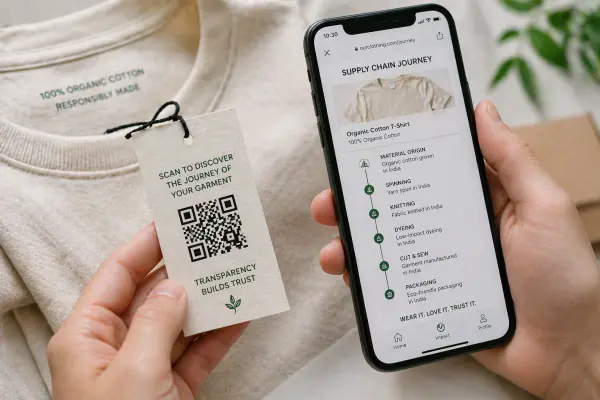
From a business perspective, traceability transforms fabrics into data-driven assets. It allows brands to identify inefficiencies, manage risks, and communicate value more effectively. For example, a brand that can verify the origin of its organic cotton can command higher trust—and potentially higher prices—than one that cannot.
A practical scenario is a fashion startup integrating QR codes into product labels, allowing customers to access detailed information about the garment’s materials and production. This not only enhances transparency but also creates a deeper connection between the customer and the product.
The insight here is that transparency is becoming a competitive advantage. It is not just about meeting regulatory requirements, but about building credibility and differentiation in a crowded market.
5. Performance-Driven Sustainability: Function Meets Responsibility
One of the most important shifts in 2026 is the alignment of sustainability with performance. In the past, eco-friendly fabrics were often associated with compromises in durability, comfort, or aesthetics. Today, the focus is on materials that deliver both environmental benefits and high performance.
This includes innovations such as recycled elastane blends, moisture-wicking organic fabrics, and bio-engineered textiles with enhanced strength and flexibility. These materials are particularly relevant in categories like activewear, outerwear, and functional fashion, where performance is non-negotiable.
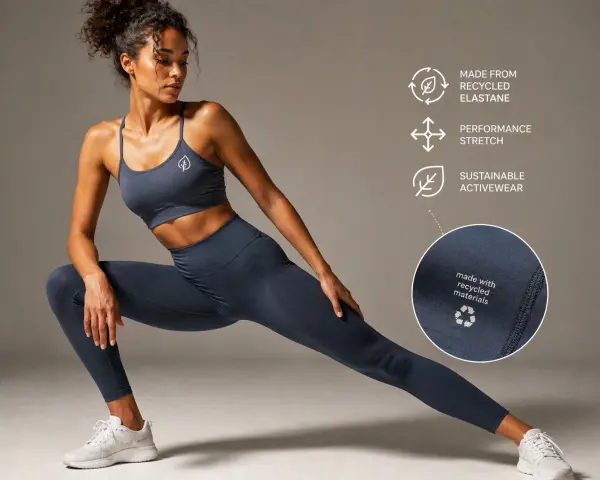
For brands, this trend opens up new opportunities. Sustainable fabrics are no longer limited to niche or premium segments—they can be integrated into mainstream products without sacrificing quality. This makes sustainability more accessible and scalable across different price points.
Consider an activewear brand developing a line of leggings using recycled elastane blends. The product can offer the same stretch and recovery as traditional materials, while also appealing to environmentally conscious consumers. This dual value proposition strengthens both product performance and brand positioning.
The key takeaway is that sustainability and performance are no longer trade-offs. The most successful brands will be those that integrate both seamlessly, creating products that meet functional needs while aligning with broader environmental goals.
Conclusion
Sustainable fabric trends in 2026 are not defined by a single material or innovation, but by a shift in how brands approach textiles as a whole. From bio-based fibers to circular systems, from low-impact processing to data-driven transparency, the industry is moving toward a more integrated and strategic model of sustainability.
For fashion brand owners and garment businesses, the opportunity lies in making informed, deliberate choices. Not every trend needs to be adopted, but each one represents a lever that can be used to improve resilience, differentiation, and long-term value.
The brands that succeed will not be those that simply follow trends, but those that understand how to align material choices with their business model, customer expectations, and operational capabilities. In this sense, sustainable fabrics are not just a trend—they are becoming a foundation for the future of fashion.
FAQ
1. Are sustainable fabrics always more expensive?
Not necessarily. While some materials have higher upfront costs, others—like recycled polyester—can be cost-competitive. The key is evaluating total cost, including durability, brand value, and potential pricing power.
2. What is the easiest sustainable fabric to start with?
Recycled polyester or organic cotton are often the most accessible starting points due to availability and compatibility with existing production processes.
3. How can small brands implement sustainability without large budgets?
Start with small changes, such as limited collections using sustainable fabrics or improving processing methods. Focus on storytelling and transparency to maximize impact.
4. Do customers really care about sustainable fabrics?
Increasingly, yes—especially in mid to premium segments. However, the value must be clearly communicated and supported by product quality.
5. How do I verify if a fabric is truly sustainable?
Look for certifications (e.g., GOTS, OEKO-TEX) and work with suppliers who provide traceability and documentation.




Comments 0
Leave a CommentSend Comment
Anda harus Login terlebih dahulu untuk dapat memberikan komentar.