
Is It Safe To Wear Glasses When Playing Sports?
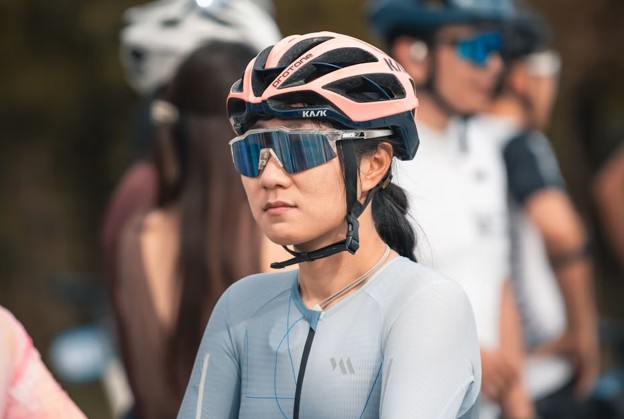
For many people, glasses are part of everyday life, so they naturally follow them onto the pitch, court, or track. In most cases, wearing glasses during sport is safe, provided they fit well and are designed with movement in mind. The main difference is not whether they can be worn, but how well they stay in place and cope with impact, sweat, and quick changes in direction.
Ordinary everyday frames are not always built for that kind of activity. They can slip when the face becomes warm, sit loosely during fast movement, or feel distracting when concentration is needed elsewhere. This is where sport specific eyewear starts to make a noticeable difference.
Risks and considerations
The most obvious concern with wearing glasses in sport is impact. A ball, elbow, or accidental collision can cause frames to shift or even break, which may lead to injury. While serious incidents are uncommon, the risk is higher in contact sports or fast paced environments.
Another issue is stability. Glasses that slide down the nose or bounce slightly during movement can affect timing and spatial awareness. Even small adjustments mid activity can break focus, particularly in sports that rely on precision.
There is also the question of lens durability. Standard lenses are often made from materials that are fine for daily use but may not be impact resistant enough for more dynamic activities. In contrast, sport oriented lenses are typically designed to withstand greater force and reduce the likelihood of shattering.

Understanding prescription glasses for sport
This is where understanding prescription glasses for sport becomes useful when deciding what to wear during physical activity. Sport specific prescription options are designed to stay secure, resist impact, and maintain clear vision even when movement is constant and unpredictable.
They often include frames shaped to sit closer to the face, reducing the chance of them shifting. Materials tend to be lighter and more flexible, which helps with comfort during longer sessions. In some cases, they also feature added grip at the nose bridge and temples, so they remain stable without needing constant adjustment.
For people who wear glasses daily, this category of eyewear can bridge the gap between vision correction and performance, without relying on contact lenses.
Fit, comfort and stability
Fit is one of the most important factors when wearing glasses during sport. A secure frame reduces distractions and helps maintain focus on the activity itself. Frames that sit too loosely can move with every step, while those that are too tight may become uncomfortable during extended use.
Comfort also plays a role in consistency. If glasses are uncomfortable, there is a tendency to adjust them repeatedly, which can interrupt rhythm. Lightweight materials and balanced weight distribution help reduce this problem, especially during endurance sports such as running or cycling.
Some designs also consider ventilation, helping to reduce fogging when body temperature rises. While no solution is perfect in all conditions, small design choices can make a noticeable difference to day to day usability.
Lens choices and protection
Lens material is just as important as frame design. Polycarbonate lenses are commonly used in sport settings because they are more impact resistant than standard plastic alternatives. They also tend to be lighter, which reduces pressure on the nose and ears.
Scratch resistance is another factor worth considering, particularly for outdoor sports where glasses may come into contact with dust, grass, or equipment. While coatings cannot make lenses indestructible, they do help extend usability over time.
For outdoor activity, many people also prefer lenses that reduce glare in bright conditions. This can improve visual comfort when moving between shaded and exposed areas, such as on a cycling route or open playing field.
Wearing glasses during sport is generally safe, but the experience depends heavily on the type of eyewear being used. Everyday frames can work for light activity, though they are not always suited to more demanding movement. Sport specific designs, particularly those developed with prescription use in mind, offer a more stable and resilient option for active situations.
Choosing the right setup often comes down to how much movement is involved, how long the activity lasts, and how much clarity of vision matters in the moment.





Comments 0
Leave a CommentSend Comment
Anda harus Login terlebih dahulu untuk dapat memberikan komentar.