

Why Flame Retardant Clothing Is Essential for Electricians and Industrial Workers
In high-risk trades such as electrical work, welding, oil and gas, and heavy industrial construction, the right protective apparel is not optional it is lifesaving. Among the most critical pieces of protective equipment is flame retardant clothing, designed specifically to reduce burn injuries and protect workers from flash fires, arc flashes, and combustible hazards.
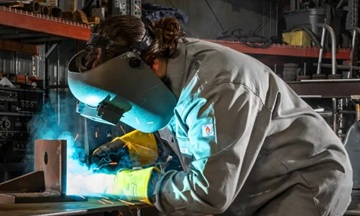
Understanding Fire and Arc Flash Risks
Electricians and industrial workers face hazards that are not always visible. An arc flash a sudden release of electrical energy can reach temperatures hotter than the surface of the sun in a fraction of a second. Similarly, flash fires in industrial settings can ignite without warning due to gas leaks, sparks, or static discharge.
Standard clothing made from untreated cotton or synthetic fabrics can ignite quickly and continue burning even after the initial heat source is removed. This dramatically increases the severity of injuries.
Flame retardant apparel is engineered to self-extinguish once the ignition source disappears, minimizing burn damage and giving workers critical seconds to react.

What Makes Flame Retardant Clothing Different?
Flame retardant garments are either treated with protective chemical finishes or made from inherently flame-resistant fibers. The key function is to prevent fabric from continuing to burn.
Important characteristics include:
- Self-extinguishing properties
- Resistance to melting or dripping
- Compliance with safety standards such as NFPA or ASTM
- Durability through repeated washing
In many industrial environments, compliance with safety regulations requires certified flame-resistant apparel.
Who Needs Flame Retardant Protection?
While electricians are the most commonly associated trade with arc flash hazards, several other professions benefit from flame-resistant clothing:
- Welders working with open flames and sparks
- Oil and gas workers exposed to flammable vapors
- Utility line technicians
- Industrial maintenance workers
- Manufacturing employees operating high-heat equipment
Even construction crews working near temporary power sources may face unexpected electrical risks.
Employers must assess hazard levels to determine when flame-resistant apparel is required.
Compliance and Legal Responsibility
Workplace safety regulations often mandate flame-resistant clothing in environments where fire or electrical arc hazards are present. Failing to comply can lead to fines, lawsuits, or shutdowns.
More importantly, it exposes workers to preventable injuries.
Safety compliance isn’t just about checking boxes it demonstrates responsibility and professionalism.
Comfort and Performance Considerations
Modern flame-resistant apparel is designed to balance protection with comfort. Lightweight fabrics, moisture-wicking technology, and breathable construction help workers remain productive throughout long shifts.
Poorly fitted or uncomfortable gear may discourage consistent use. Employers should prioritize properly sized, high-quality garments to ensure compliance and morale.
Protective apparel should enhance performance, not hinder it.
Long-Term Benefits of Proper Protection
Investing in protective clothing protects more than individual workers it safeguards the business itself. Reduced injury rates lead to:
- Lower insurance premiums
- Fewer lost workdays
- Stronger client trust
- Higher employee retention
Safety-conscious companies often attract skilled professionals who value responsible employers.
Why Flame Retardant Clothing Is Non-Negotiable
Fire and electrical hazards can escalate instantly. Protective apparel provides a crucial layer of defense in unpredictable situations.
For trades operating in high-risk environments, flame-resistant clothing is not an accessory it is essential equipment.
Prioritizing it reinforces a culture where safety comes first and professionalism remains uncompromised.





Comments 0
Leave a CommentSend Comment
Anda harus Login terlebih dahulu untuk dapat memberikan komentar.