

Top Skills You Learn At Professional Vet Career Schools
Professional vet career schools play an essential role in preparing students for careers in animal healthcare. These programs are designed to build practical abilities, technical knowledge, and interpersonal skills needed to support veterinarians and provide quality care to animals. Students gain hands-on experience and learn industry standards that help them transition smoothly into clinics, hospitals, shelters, and research facilities. The skills learned go beyond basic animal handling and focus on creating competent, confident, and compassionate professionals.
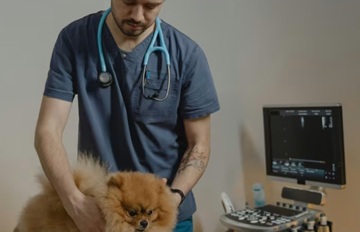
Animal Handling And Restraint Techniques
One of the first and most critical skills students learn is safe animal handling. Animals can become anxious, fearful, or aggressive in unfamiliar environments, making proper restraint techniques essential. Vet career schools teach students how to approach animals calmly, understand body language, and apply restraint methods that prevent injury to both the animal and the handler. Students practice working with dogs, cats, and sometimes exotic animals, ensuring they can manage different temperaments and sizes safely.
Veterinary Medical Terminology
Understanding veterinary medical terminology is fundamental for working in a clinical setting. Students learn the language used in veterinary medicine, including anatomical terms, disease names, and treatment procedures. This knowledge helps them communicate effectively with veterinarians and other staff members while maintaining accurate patient records. A strong grasp of terminology also improves confidence when assisting during examinations and treatments.
Clinical And Examination Assistance
Professional vet career schools train students to assist veterinarians during examinations and medical procedures. This includes preparing examination rooms, organizing instruments, and ensuring a sterile environment. Students learn how to monitor vital signs such as heart rate, temperature, and respiration. They also assist in administering medications, preparing vaccines, and supporting minor procedures under supervision. These practical experiences build confidence and ensure students are ready for real clinic responsibilities.
Laboratory And Diagnostic Skills
A critical component of veterinary care is diagnostic testing. Students gain hands-on experience performing laboratory procedures such as collecting blood samples, preparing slides, and conducting basic tests. They learn how to handle specimens safely and follow proper sanitation protocols. Understanding diagnostic procedures allows veterinary assistants to support accurate diagnosis and treatment, making them valuable members of the healthcare team.

Surgical Preparation And Assistance
Vet career schools introduce students to surgical support skills that are essential in veterinary clinics. Students learn how to sterilize instruments, prepare surgical areas, and maintain aseptic conditions. They are trained to monitor animals before and after surgery, ensuring comfort and safety. While they do not perform surgery themselves, their ability to support procedures helps ensure smooth operations and positive patient outcomes.
Animal Nursing And Post-Treatment Care
Caring for animals after treatment or surgery requires patience and attention to detail. Students learn how to monitor recovery, check vital signs, and recognize signs of distress or complications. They are trained in wound care, administering medications, and ensuring animals remain comfortable during recovery. Proper nursing care promotes healing and improves overall patient well-being.
Client Communication And Customer Service
Working in veterinary settings involves regular interaction with pet owners. Vet career schools emphasize communication skills that help students interact professionally and compassionately with clients. Students learn how to explain care instructions, provide reassurance, and handle sensitive situations with empathy. Effective communication builds trust between the clinic and pet owners while enhancing the overall client experience.
Record Keeping And Administrative Skills
Accurate documentation is a critical part of veterinary practice. Students learn how to maintain medical records, schedule appointments, and manage patient files. They are trained to use clinic software systems and ensure data is organized and confidential. Administrative skills improve workflow efficiency and help clinics operate smoothly.
Infection Control And Safety Procedures
In the field of animal healthcare, it is imperative to preserve a safe and hygienic environment. Vet career schools teach students proper sanitation techniques, waste disposal protocols, and infection control procedures. Students are instructed on the importance of maintaining sanitary treatment areas and preventing the transmission of disease. Understanding safety practices protects both animals and staff while ensuring compliance with industry regulations.
Teamwork And Professional Ethics
Veterinary care is a team effort that requires collaboration and ethical responsibility. Students develop teamwork skills by working alongside peers and instructors in simulated clinical environments. They learn the importance of professionalism, confidentiality, and ethical treatment of animals. These values shape responsible professionals who uphold the highest standards of care.
Time Management And Multitasking
Veterinary clinics are fast-paced environments where multiple tasks must be handled efficiently. Students learn how to prioritize responsibilities, manage schedules, and stay organized during busy workdays. Strong time management skills ensure that patient care remains timely and effective while maintaining clinic productivity.
Emotional Resilience And Compassion
Working with animals often involves emotionally challenging situations, including illness, injury, and end-of-life care. Vet career schools help students develop emotional resilience while maintaining compassion. They learn how to support pet owners during difficult moments and care for animals with dignity and empathy. Emotional strength allows professionals to remain effective while coping with the realities of veterinary care.
Conclusion
Professional vet career schools equip students with a comprehensive set of skills that prepare them for meaningful roles in animal healthcare. From clinical assistance and laboratory procedures to client communication and ethical responsibility, these programs create well-rounded professionals ready to support veterinary teams. Graduates may confidently enter the field and improve the safety, health, and well-being of animals and the communities that care for them by becoming proficient in these crucial skills.





Comments 0
Leave a CommentSend Comment
Anda harus Login terlebih dahulu untuk dapat memberikan komentar.