
Understanding Camera Head Size, Cable Length, and Flexibility in Pipe Inspections
Textile manufacturing facilities, garment production units, and fabric processing plants rely on efficient plumbing and drainage systems to maintain uninterrupted operations. Activities such as fabric washing, dyeing, and finishing generate wastewater that must pass through properly maintained pipelines. Inspecting these systems requires more than simply inserting a camera into a pipe. The equipment must navigate narrow openings, travel through bends, and capture clear images of inaccessible areas.
Even an advanced inspection camera can deliver disappointing results if its physical specifications do not match the pipeline being examined. Camera head size, cable length, and flexibility are three important factors that determine inspection performance. Understanding these features can help maintenance professionals identify drainage problems before they disrupt textile production and other industrial activities.
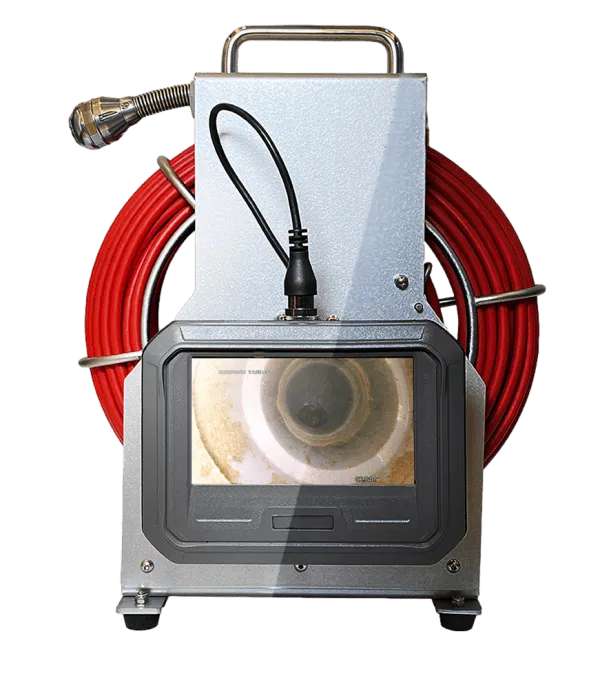
Why Camera Head Size Matters in Pipe Inspections
The camera head is the component that enters the pipe and captures images of its internal condition. Its diameter determines which pipes the equipment can inspect and how easily it can move through restricted spaces.
Smaller camera heads are generally suitable for narrow drainage lines, branch pipes, and plumbing connections. In garment manufacturing facilities, these cameras can help examine smaller wastewater outlets connected to washing equipment and fabric processing machinery. Their compact dimensions allow them to enter tight openings and navigate certain bends.
Larger camera heads are often preferred for wider sewer lines and industrial drainage systems. Textile dyeing and finishing facilities may require inspections of larger wastewater pipelines that handle substantial volumes of water during production.
Choosing the correct size requires considering the internal pipe diameter, potential obstructions, and the number of bends along the inspection route. A camera that fits through the pipe entrance may still struggle to pass through damaged sections or accumulated textile fibers.
Selecting the Right Cable Length for Different Applications
Cable length determines how far an inspection camera can travel from its entry point. Selecting an appropriate length is essential because insufficient reach may prevent inspectors from examining the entire pipeline.
For smaller tailoring workshops and garment production units, shorter cables may be adequate for inspecting nearby drainage connections. Larger textile manufacturing facilities often require longer cables to reach distant sections of underground infrastructure.
However, longer cables are not automatically better. As cable length increases, pushing the camera through bends and rough pipe surfaces can become more difficult because of friction and resistance.
Maintenance professionals should evaluate the layout of manufacturing facilities and the typical distances they inspect before selecting equipment. Choosing a cable that provides sufficient reach without unnecessary bulk can improve handling, transportation, and overall productivity.
How Cable Flexibility Affects Inspection Performance
Flexibility plays an important role in determining whether an inspection camera can navigate complex pipe layouts. Drainage systems frequently contain elbows, junctions, and changes in direction that require the camera cable to bend smoothly.
Textile processing facilities may have complicated drainage networks connecting washing machines, dyeing equipment, finishing stations, and wastewater collection systems. Inspecting these interconnected pipelines requires equipment capable of navigating different angles and restricted spaces.
A highly flexible cable can navigate tighter turns, but excessive flexibility may make it difficult to push the camera over longer distances. Conversely, a rigid cable provides greater pushing strength but may struggle with sharp bends.
The ideal inspection cable balances flexibility with structural support. Reinforced materials and protective outer coatings can also help inspection equipment withstand repeated use in wet and abrasive environments, provided they are suitable for the substances present in the pipeline.
What Is the Best Sewer Camera for Professional Inspections?
Many plumbing contractors and industrial maintenance professionals ask, “What is the best sewer camera?" The answer depends on the types of pipelines being inspected, working conditions, and the features required for accurate diagnostics.
A suitable sewer camera should combine an appropriately sized camera head, sufficient cable length, and dependable flexibility. Image resolution, LED illumination, waterproof construction, and recording capabilities are also important considerations.
For textile manufacturers, inspection equipment should be suitable for identifying accumulated lint, fabric fibers, sediment, and other materials that may restrict wastewater flow. Regular inspections can help maintenance teams recognize developing blockages before they interfere with washing and finishing operations.
Equipment with interchangeable camera heads may provide greater versatility, while self-leveling camera heads can make video footage easier to interpret by maintaining an upright image orientation.
Rather than focusing exclusively on price or advertised features, buyers should prioritize equipment compatibility with their regular inspection requirements.
Additional Features That Improve Inspection Accuracy
Beyond physical dimensions, several technical features can improve the quality of pipeline inspections. High-resolution imaging helps inspectors identify cracks, corrosion, accumulated debris, and visible structural damage.
Adjustable LED lighting is particularly useful in dark pipelines where natural visibility is unavailable. Built-in recording capabilities allow maintenance professionals to document findings and develop appropriate cleaning or repair schedules.
For garment and textile manufacturers, maintaining inspection records can also support preventive maintenance planning. Identifying recurring drainage problems may encourage businesses to improve fiber filtration, wastewater management, and equipment cleaning procedures.
Some systems also include locating transmitters that work with compatible receivers to help identify the camera head's position underground. These capabilities can support more targeted excavation and repair planning while minimizing disruptions to manufacturing activities.
Conclusion
Successful pipe inspections depend on selecting equipment that matches the physical characteristics of the drainage system. Camera head size determines accessibility, cable length controls inspection reach, and flexibility influences movement through bends and obstacles.
For textile manufacturers, garment production facilities, and fabric processing businesses, reliable drainage inspections can support operational efficiency and responsible wastewater management. By evaluating equipment specifications alongside imaging quality, durability, and additional features, maintenance professionals can identify potential problems earlier, reduce unnecessary repairs, and maintain more dependable production environments.


Comments 0
Leave a CommentSend Comment
Anda harus Login terlebih dahulu untuk dapat memberikan komentar.