
How Surgical Expertise Influences Cosmetic Procedure Results
Personal appearance, fashion, and aesthetic preferences often influence how individuals express their identity. While clothing, accessories, and styling choices can complement natural features, some individuals consider cosmetic procedures to address specific aesthetic concerns. Cosmetic surgery combines medical precision, artistic judgment, and extensive practical experience. Although advanced surgical techniques have made aesthetic procedures more sophisticated, the surgeon's expertise remains a major factor in determining treatment outcomes.
Someone looking for the Best Plastic Surgeon in Loudoun County may prioritize natural-looking results, advanced surgical techniques, and personalized treatment recommendations. Much like fashion designers consider individual body proportions when creating garments, experienced surgeons evaluate anatomical characteristics before recommending aesthetic modifications. However, understanding the qualities that contribute to surgical expertise is essential before making a decision.
Advanced Anatomical Knowledge Improves Surgical Precision
A detailed understanding of human anatomy forms the foundation of cosmetic surgery. Surgeons work with complex structures involving muscles, nerves, blood vessels, fat deposits, and connective tissues. Even minor adjustments can influence the appearance and function of surrounding areas.
Body proportions are important in both fashion design and cosmetic surgery, although their applications differ significantly. Fashion designers use measurements and silhouettes to create garments that complement different body shapes, while surgeons evaluate anatomical structures to determine appropriate treatment approaches.
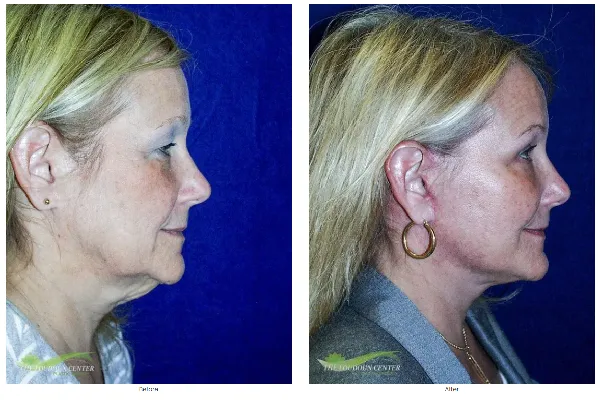
During facial rejuvenation procedures, surgeons must carefully evaluate underlying facial structures. Similarly, breast surgery requires an understanding of chest proportions, skin elasticity, and existing tissue distribution. Accurate anatomical assessment can help minimize unnecessary tissue disruption and support more informed treatment planning.
Surgical Experience Strengthens Professional Judgment
No two cosmetic procedures are exactly alike, even when patients request similar improvements. Differences in anatomy, tissue quality, previous surgeries, and overall health can create challenges that require professional judgment.
Surgeons with extensive procedural experience may be better prepared to recognize anatomical variations and respond appropriately when unexpected situations arise. Their practical knowledge helps them determine when to modify a technique or reconsider a particular surgical approach.
Experience also plays an important role in identifying patients who may not be suitable candidates for certain procedures. Responsible surgical recommendations prioritize medical safety and realistic expectations rather than temporary beauty standards or changing fashion trends.
Aesthetic Judgment and the Importance of Proportion
Balance, symmetry, and proportion are fundamental principles in fashion, visual design, and aesthetic medicine. Cosmetic surgery is not simply about changing the size, shape, or position of a particular feature. Aesthetic outcomes often depend on maintaining harmony between different parts of the face or body.
For example, facial rejuvenation should consider the relationship between the cheeks, jawline, and neck rather than treating each area independently. Breast augmentation also requires careful consideration of body proportions, existing tissue, and the patient's desired appearance.
Just as thoughtfully designed clothing complements an individual's natural silhouette, responsible cosmetic procedures should respect existing anatomical characteristics. A surgeon with strong aesthetic judgment evaluates these relationships before recommending modifications.
Personalized Treatment Planning Supports Individual Preferences
Personal style varies considerably between individuals. Some people prefer understated elegance, while others embrace more expressive aesthetic choices. Similar differences exist in the expectations individuals bring to cosmetic surgery consultations.
A thorough consultation helps surgeons understand the patient's goals while evaluating physical characteristics and medical considerations. Factors such as skin quality, age-related changes, previous procedures, and healing capacity may influence the recommended technique.
Patients may also discuss how anticipated physical changes could affect clothing preferences, garment fit, and everyday comfort. However, these considerations should remain secondary to medical suitability and safety.
An experienced surgeon explains available options and develops a treatment strategy suited to individual needs while helping patients establish realistic expectations.
Surgical Techniques, Recovery, and Clothing Comfort
The quality of surgical technique can affect postoperative swelling, bruising, discomfort, and scar development. Careful tissue handling, appropriate incision placement, and precise wound closure may contribute to favorable healing conditions.
Clothing selection can also become an important practical consideration during recovery. Loose garments, soft fabrics, and clothing with front openings may provide greater convenience following certain procedures. Patients should wear compression garments only as recommended by their surgical team.
However, recovery is influenced by several additional factors, including genetics, general health, and adherence to postoperative instructions. Even highly experienced surgeons cannot guarantee identical recovery experiences for every patient.
Proper follow-up care allows surgeons to monitor healing, identify complications, and provide appropriate recommendations throughout recovery.
Patient Safety Reflects Surgical Professionalism
Professional expertise extends beyond performing a technically successful operation. Patient safety requires careful medical evaluation, appropriate surgical facilities, qualified anesthesia professionals, and established emergency procedures.
Although fashion and beauty trends can influence aesthetic preferences, cosmetic surgery should never be treated as a temporary styling decision. Surgical procedures involve medical risks and potentially permanent physical changes that require careful consideration.
Before recommending surgery, responsible specialists review medical history, medications, previous procedures, and potential risk factors. They also explain possible complications and discuss whether alternative treatments may be more appropriate.
Board certification in plastic surgery, relevant procedural experience, and accredited surgical facilities are important considerations when evaluating professional qualifications.
Communication Helps Patients Make Confident Decisions
Clear communication is essential for developing trust between patients and surgeons. During consultations, patients should receive understandable explanations about surgical techniques, expected improvements, recovery requirements, and possible complications.
An experienced specialist encourages questions and provides realistic information rather than promising perfect results. Reviewing previous surgical outcomes can also help patients understand the surgeon's aesthetic approach, although individual results will vary.
Patients should base their decisions on personal goals and professional medical guidance rather than social pressure, fashion trends, or unrealistic beauty ideals. Personal style and confidence can be expressed in many ways without undergoing cosmetic procedures.
Conclusion
Surgical expertise influences cosmetic procedure results through anatomical knowledge, technical precision, aesthetic judgment, and responsible patient care. Although fashion and cosmetic aesthetics share principles of balance, proportion, and individuality, surgical decisions require considerably greater medical consideration.
Selecting an experienced plastic surgeon involves evaluating qualifications, procedural experience, communication, and safety standards. By prioritizing personal preferences, realistic expectations, and medical guidance, individuals can make informed decisions that respect their health and individuality.


Comments 0
Leave a CommentSend Comment
Anda harus Login terlebih dahulu untuk dapat memberikan komentar.