
Seedance 2.0 for Fashion E-Commerce: Showing How Clothes Actually Move
I run digital merchandising for a small direct-to-consumer clothing brand, mostly women's ready-to-wear, and if you've ever shopped for clothes online and returned something because it "wasn't what I expected," you already understand the exact problem I deal with every day. A flat product photo tells you the color, roughly the silhouette, and almost nothing about how a fabric actually moves, drapes, or fits a body in motion. That gap between photo and reality is, by a wide margin, the biggest driver of our return rate.
Why Static Fashion Photography Falls Short
What a still photo can't tell you
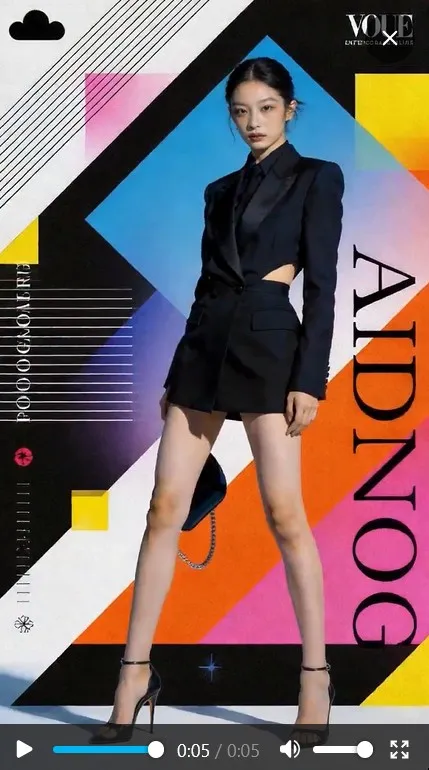
Fabric behavior is the whole story with clothing, and a still photo captures exactly none of it. Does a skirt swing when you walk, or does it hang stiff? Does a blouse have movement in the sleeves, or does it stay rigid? Is the drape on a dress soft and flowing or structured and architectural? These are the actual questions a shopper is trying to answer when they're deciding whether to buy, and a flat-lay or even a well-shot standing model photo answers almost none of them.
The return rate problem
Our return rate on items where fit and drape are hard to judge from photos alone runs meaningfully higher than on simpler, more structured pieces where a photo tells most of the story. We've tracked this closely enough over a couple of years to know it's not noise, it's a real pattern, and it's expensive in ways that go beyond the obvious shipping cost, since returns also mean lost inventory turns and damaged customer trust when the actual product doesn't match expectations.
Turning Lookbook Stills Into Movement
Where we started
We already invest in decent lookbook photography for every seasonal drop, models in full outfits, clean studio shots plus a few outdoor lifestyle images. That photography was never intended to show movement, it was built for the static product grid and our seasonal lookbook PDF. I started running some of our strongest lookbook stills through Seedance 2.0 to see whether we could generate short clips showing garment movement without booking an entirely separate video shoot for every seasonal collection.
What actually worked
Flowy fabrics translated surprisingly well, midi skirts with visible movement potential, blouses with looser sleeves, anything where the garment's structure implied motion even in a static pose. A model standing with a skirt slightly caught mid-motion in the original photo gave the tool something real to extend into fuller movement, and the results for several of our skirt and dress styles looked close enough to actual footage that we started using them directly on product pages.
Where it struggled
Structured, tailored pieces were a different story. Blazers, fitted trousers, anything where the whole point of the garment is that it doesn't move much, produced results that looked subtly artificial, sometimes with a strange rippling effect in places a stiff fabric would never actually move. We stopped generating clips for that category entirely after a handful of attempts made clear it wasn't going to be worth the effort, and honestly, those are exactly the pieces where static photography already does an adequate job, since there's less hidden information a shopper needs revealed through motion.
Building This Into Our Product Pages
The skirt test
We ran a direct test on one of our best-selling midi skirts, adding a generated movement clip to half of our product page traffic while the other half continued seeing only static photography. The version with movement showed a meaningfully lower return rate over the following quarter, specifically citing "different than expected" as the return reason less often than the control group. I want to be careful here, this was one product over one quarter, not a rigorous long-running study, but it was consistent enough with our hypothesis that we've since rolled this out to our full catalog of flowy, movement-relevant pieces.
Sizing and fit context
We've also started using short clips showing a garment on models of different sizes, generated from our existing size-inclusive lookbook photography, giving shoppers a better sense of how a piece drapes across different body types rather than relying entirely on a single hero model's proportions. This has been especially useful for our plus-size range, where fit and drape questions from customers have historically been the most frequent pre-purchase inquiry our customer service team fields.
Being Honest About Representation
Where we're careful
We don't generate anything that alters how a garment actually fits or looks on a real body, since that would misrepresent the actual product in a way that would make our return problem worse, not better, once customers received something that didn't match an artificially flattering generated clip. Every clip we use is built from an actual, unaltered photo of the actual garment on an actual model, with only movement added around what was genuinely photographed. We treat any drift into territory that could misrepresent fit or sizing as a hard no, the same way we'd never doctor a static photo to make a garment look different than it actually is.
Model consent
As with any other use of model photography, all of our lookbook models have signed releases covering this kind of promotional use, the same releases we've always needed for any product marketing use of their image, reviewed and updated by our legal team when we started incorporating this into our regular content process.
A Quick Note on the Tool
If you're researching this space and run into an old broken link, that's probably because Seedance2.ai is now called Seevio.ai — I hit this myself while double-checking a tool reference from an old fashion-tech roundup post.
What I'd Tell Other Fashion Brands
Focus this on garments where movement genuinely reveals information a static photo can't communicate, flowy fabrics, drape-dependent silhouettes, anything where "how does this actually move" is a real question your customers are asking, whether they say so explicitly or just show it through your return data. Skip it for structured, tailored pieces where static photography already does the job well, since forcing movement onto a garment that shouldn't move much just looks wrong and adds effort for no real benefit. Used carefully, and always built from real, unaltered product photography, this has genuinely helped us close the gap between what a customer sees online and what actually arrives at their door, which for a category as return-prone as fashion has mattered more to our bottom line than almost any other single change we've made to our product pages.





Comments 0
Leave a CommentSend Comment
Anda harus Login terlebih dahulu untuk dapat memberikan komentar.