

How often should you have your eyes tested?
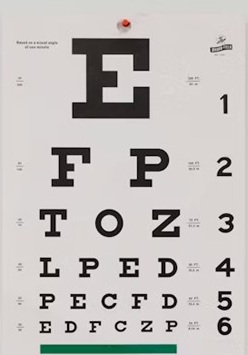
There is a particular kind of complacency that creeps in with eyesight. Because vision rarely changes overnight, it is easy to assume that if you can read your messages and recognise faces across a room, everything must be functioning as it should. Many people only think about booking an eye test when their prescription glasses start to feel slightly off, or when headaches become difficult to ignore.
In reality, sight tends to shift gradually. The changes are subtle enough to accommodate, until one day you realise you have been squinting at street signs for months.
The general rule most optometrists follow
For most adults, an eye test every two years is considered appropriate. This applies even if your vision feels stable and your prescription glasses still seem adequate. A routine appointment is not solely about checking whether you need stronger lenses. It also monitors the health of the eye itself, from the retina to the optic nerve.
Children are usually advised to have their eyes tested more frequently, often annually, as their vision develops rapidly. For older adults, particularly over 60, yearly checks are often recommended because the risk of age-related conditions increases.
Of course, these are broad guidelines rather than strict rules. Personal health history, family background, and lifestyle all matter.
When you might need to go sooner
There are certain moments when waiting two years feels unwise.
Frequent headaches, tired eyes after short periods of reading, or difficulty focusing between distances can all suggest that your vision has shifted. If your prescription glasses no longer feel comfortable, or if you find yourself removing them to see more clearly at certain distances, it is worth arranging a test.
Sudden changes, such as flashes of light, floaters that appear abruptly, or blurred patches in your vision, require prompt professional attention. These symptoms fall outside the realm of routine testing and should never be ignored.
Health conditions also influence timing. People with diabetes, high blood pressure, or a family history of glaucoma are often advised to attend more regular examinations. Pregnancy can temporarily alter vision too, which sometimes prompts an interim check.

Vision changes are not always obvious
One of the quieter misconceptions about eye health is that deterioration will announce itself dramatically. Often, it does not.
The brain is remarkably adept at compensating. You may lean slightly closer to a screen, increase text size without consciously noting it, or avoid driving at night because headlights feel more glaring than they once did. These adjustments feel small and reasonable. Over time, they become habits.
An eye test can reveal shifts long before they become disruptive. It can also detect early signs of conditions that do not initially affect clarity of sight, including glaucoma or macular degeneration. In this sense, the appointment functions as a broader health check, not simply a lens update.
Screens, strain and modern habits
Our daily routines place different demands on the eyes than they did even a decade ago. Extended screen use, artificial lighting and reduced time outdoors have altered how and when we focus. Digital eye strain is now a familiar complaint, marked by dryness, blurred vision and fatigue.
While screen use does not permanently damage eyesight in the way some fear, it can expose underlying weaknesses in focus or binocular vision. An eye test can help determine whether your current prescription glasses are still appropriate for the distances you use most frequently, particularly if your work is screen-heavy.
Small adjustments can make reading and computer work feel less effortful, even if the change in prescription is minimal.
Ageing and natural shifts
From the mid-forties onwards, many people notice difficulty reading small print at close range. This gradual loss of near focus, known as presbyopia, is a normal part of ageing. It is not a sign of failing health, simply the lens of the eye becoming less flexible.
Regular testing during this stage helps keep vision comfortable as these changes unfold. It is common for prescriptions to shift more noticeably over a few years before stabilising again.
Later in life, monitoring becomes less about sharpening text and more about safeguarding long-term eye health. Cataracts, glaucoma and age-related macular degeneration develop slowly. Early detection can significantly influence management.
Listening to your own habits
There is no single schedule that suits everyone perfectly. A person who has worn prescription glasses since childhood may be more attuned to minor changes than someone who has never needed correction. Equally, those who rely heavily on driving at night or detailed close work may notice disruption sooner.
The most sensible approach is a combination of routine and responsiveness. Keep to a regular testing interval appropriate for your age and health, but do not ignore subtle shifts simply because you are not yet “due”.
Eyesight is rarely dramatic in its decline. It changes quietly, incrementally, in ways that are easy to accommodate. Regular testing acknowledges that quietness. It treats vision not as something to react to once it falters, but as something to maintain steadily over time.





Comments 0
Leave a CommentSend Comment
Anda harus Login terlebih dahulu untuk dapat memberikan komentar.