
From linen swatch to collection concept: working with nano banana 3
A pale green linen swatch beside a cream button would be enough to begin my imagined summer shirt collection. I would want three related pieces: a relaxed short sleeve shirt, a longer overshirt, and a simple sleeveless top. Before cutting expensive fabric, I would prepare a few still concept images to explore how those shapes might sit together in a small collection.
The starting material would be deliberately modest. I would photograph the fabric in indirect daylight, keep a ruler nearby for my own reference, and make a clear drawing of each silhouette. The photographs would record what I actually have; the drawings would describe what I am considering. Keeping those roles separate would help prevent an attractive illustration from being mistaken for a finished garment.
I would also choose one setting for the collection board: a plain warm grey studio background, soft side lighting, and an uncluttered presentation. A beach scene might convey summer, but it could make it harder to judge the shirt itself. At this stage, the sleeve length, collar opening, and balance between the three pieces would matter more than an elaborate lifestyle story.
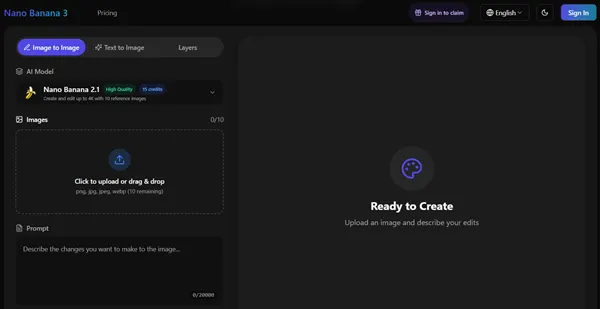
For the image exploration, I would consider nano banana 3, an AI tool for generating and editing images. I could describe a proposed garment in text or work from reference images. My purpose would be to develop visual options for discussion, with every image understood as a concept that still needs practical pattern making, sampling, and material checks.
Give the first shirt a clear identity
The short sleeve shirt would establish the collection's proportions. I would describe a relaxed straight body, a modest open collar, a short button placket, and sleeves ending above the elbow. Rather than asking for something vaguely elegant, I would specify the features that a person should notice first. The pale green fabric would provide the main colour, while the cream buttons would remain a quiet detail.
My first prompt for nano banana 3 would request a front view of a proposed linen shirt on a neutral dress form, under soft studio light, with a plain background and no printed words. I would mention a subtle woven texture without demanding that the generated image reproduce the swatch exactly. An image can suggest a textile's appearance, but its surface cannot demonstrate how the actual cloth will behave.
When reviewing the result, I would look at the collar before the overall atmosphere. A dramatically oversized collar might make the garment read as resort wear when I intended an everyday piece. If the generated shirt had unnecessary chest pockets, I would remove them in the next request. Those decisions would keep the board close to the original design intention.
Use an edit to answer one design question
Suppose the first shirt looked too boxy. I would avoid changing its colour, background, collar, and sleeves at the same time. Instead, I would ask for a slightly longer body while keeping the other features similar. That revision would answer a specific question about proportion. If it created a better line, I could use the image to guide a sketch revision before moving on.
With nano banana 3, I would describe the intended edit in direct terms: lengthen the hem slightly, retain the relaxed sleeve, and keep the front opening simple. I would compare the original and revised candidates side by side. If the button arrangement changed unexpectedly, I would note that difference instead of assuming it was part of my requested adjustment.
For a practical design conversation, I would place a short annotation beneath each candidate. One might say that the longer hem creates a more casual silhouette; another might point out that the sleeve now seems too wide. These annotations would be my own assessment of the images, not claims about a sample I had already sewn or fitted.
Build a family rather than three strangers
The overshirt would share the same quiet collar language, but its longer body would make it useful as a light outer layer. I would explore a slightly deeper green for that piece and reserve the original pale shade for the sleeveless top. The collection would then have a relationship through colour and shape without requiring every garment to look identical.
I would use nano banana 3 to explore these additional still concepts with the same background and lighting brief. Keeping the presentation consistent would make comparison easier. A dramatic sunset behind one shirt and a bright white studio behind another could create a false impression that the garments belong to different collections, even if their underlying design language is close.
The reference board would remain beside me throughout. I would check collar shapes, hem lengths, and the scale of the buttons against my own drawings. If the overshirt acquired a heavy, woollike surface, I would revise the texture description. The goal would be a plausible visual suggestion of lightweight linen, while remembering that the real fabric sample is the authority on material.
Keep attractive images from becoming inaccurate promises
A generated concept could make a sleeve appear to drape beautifully even when the proposed pattern would not produce that result. I would therefore keep the images out of the shop's product gallery until real samples existed. They could support an internal design discussion or a clearly labelled concept presentation, but they would not establish fit, fabric weight, construction quality, or a finished product's exact colour.
Using nano banana 3 would be most useful here as a way to expose choices. Does the longer overshirt overpower the smaller top? Would the pale green look more coherent beside a neutral cream? Those are productive questions for a concept board. Whether a seam puckers or an armhole restricts movement belongs to the sampling process, where physical evidence can answer it.
Once I had a promising direction, I would make a simple sample in an appropriate test fabric and compare its proportions with the illustration. A surprising difference would be valuable information. I would adjust the pattern or change the concept, rather than trying to make the physical garment conform to an image that was never a technical specification.
Finish with a board someone can discuss
The final board would show one selected concept for each garment, accompanied by the original swatch photograph and small design notes. I would add names and labels in a layout application so they remain easy to edit. The board would have enough white space for a collaborator to mark changes without covering the collar, hem, or sleeve details under discussion.
For this proposed collection, nano banana 3 would contribute the exploratory pictures; my drawings, fabric checks, and samples would carry the design into something that can actually be made. That division gives the images a clear job. They help me see alternatives early, while the eventual garments earn their shape and character through the slower, tangible work of making clothes.




Comments 0
Leave a CommentSend Comment
Anda harus Login terlebih dahulu untuk dapat memberikan komentar.