

Sustainable Chemical Solutions for the Textile Industry
Sustainable textile chemical solutions are necessary to greening manufacturing. The solutions reduce environmental impact and boost production efficiency. Silane chemicals for textile treatment and silane coupling agents for fabric finishing improve fabric durability and adherence. Textile silane-based water repellents offer improved moisture protection. Sustainable dyeing solutions and textile chemicals reduce water and energy use. Additionally, water-based printing and salt-free dyeing chemicals reduce pollution. Sustainable textile chemical solutions improve product quality and environmental sustainability.
What Are Textile Industry Sustainable Chemical Solutions?
Sustainable textile chemical solutions reduce environmental impact and boost production efficiency. Advanced formulations handle textile manufacturing difficulties. Silane chemicals for textile treatment, for example, increase fabric strength and durability. Like silane coupling agents for fabric finishing, they improve coating and finish adhesion and product quality. Both innovations reduce waste and resource use.
Textile silane-based water repellents defend against moisture without hazardous chemicals. These repellents protect fabric surfaces. Silane for dye adhesion improvement reduces the requirement for repeated dyeing. This saves water and energy.
Sustainable textile chemical solutions include eco-friendly dyeing and finishing options in addition to silane-based advances. These solutions easily integrate into manufacturing processes. Manufacturers can profit economically and environmentally by embracing innovative chemical technology. These advances enable a more responsible and efficient textile business.
Textile Industry Sustainable Chemical Solutions Innovations
Textile compounds that lessen environmental impact and function well have been developed. Sustainable dyeing alternatives like salt-free dyeing chemicals use less water and no hazardous salts. These innovations reduce environmental impact and boost manufacturing efficiency. Reactive dyes for textiles and high-performance dyeing auxiliaries fulfill present customer needs for brilliant.
Advanced textile printing chemicals have transformed the industry. Water-based printing chemicals reduce volatile organic compound emissions and are eco-friendly. These chemicals improve print quality and protect workers and the environment. New textile dyeing chemicals, such as leveling agents for uniform dyeing, ensure consistent results across fabric kinds.
High-performance dyeing auxiliaries have simplified textile manufacture. Our auxiliaries improve fabric qualities, dye uptake, and energy efficiency. Dyeing pH regulators ensure exact color application. Sustainable chemical solutions for the textile sector continue to evolve. These improvements enable a greener, more efficient textile industry.
How Do Sustainable Chemicals Help Textile Production?
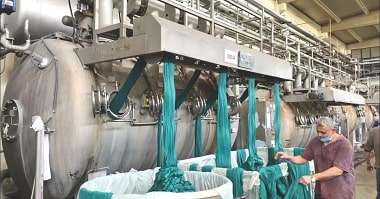
Environmentally friendly textile chemical solutions improve efficiency in manufacturing processes. Reactive dyes, disperse dyes for polyester, and acid dyes for wool and silk produce brilliant, durable colors with minimal water and energy use. Eco-friendly production requires these colors for high-quality products without compromising sustainability. Sustainable dyeing solutions reduce pollution.
Improved textile manufacturing efficiency requires sophisticated dye processes. Vat dyes for cotton and direct dyes for cellulose fibers provide homogeneous coloration across fabric kinds. These advances boost productivity, minimize waste, and streamline production. Manufacturers save money and resources by optimising dye uptake with high-performance dyeing auxiliaries.
Improved colorfastness and homogeneity are necessary for product quality. Colorfast dye fixatives boost color persistence, withstand washing and wear. Uniform coloring leveling agents ensure consistent colors in large-scale production. These advances in sustainable textile chemical solutions allow manufacturers to meet consumer demand for high-quality, eco-friendly textiles while improving operational efficiency and decreasing their environmental impact.

Textile Chemical Trends for Sustainability
Trends in textile industry sustainable chemical solutions show rising need for textile and leather finishing agents. While being eco-friendly, these compounds improve fabric and leather durability and appearance. Leather tanning chemicals with low environmental impact are necessary to sustainability. Advanced formulations that decrease waste and increase efficiency are being adopted by the textile and leather sectors to promote sustainability.
In sustainable manufacturing, pH regulators for dyeing processes are being used. These regulators optimize dyeing conditions for consistent color and less chemical use. Manufacturers reduce resource use and improve dye uptake by regulating pH levels. It boosts manufacturing efficiency and supports environmental sustainability.
Chemical solutions for textile and leather industries are evolving to satisfy sustainability aims. High-performance dyeing auxiliaries and water-based printing chemicals address environmental issues without compromising quality. These technologies cut harmful emissions and resource usage. Therefore, the sector is adopting these trends to reconcile sustainability and operational excellence.
What Are the Obstacles to Textile Chemical Sustainability?
Achieving textile sector sustainability through chemical treatments is costly. New formulations and technology are needed to switch from conventional to eco-friendly chemicals. These solutions must be researched, developed, and tested by manufacturers to meet performance standards. The higher initial expenses of sustainable dyeing solutions like salt-free dyeing chemicals may prevent smaller enterprises from switching.
Integrating sustainable dyeing solutions into current processes presents technical obstacles. Many traditional production systems are not made to handle advanced eco-friendly chemicals, such as silane chemicals for textile treatment or pH regulators for dyeing processes. Time and expertise are needed to retrofit equipment or change production processes for these advancements. New formulations require considerable worker training and workflow changes to achieve consistent outcomes.
Traditional textile manufacturing resists change. Long-established methods use recognizable substances and procedures. This resistance can be overcome by communicating the long-term benefits, such as reduced environmental impact and efficiency. Addressing these problems can enable wider adoption of sustainable chemical solutions.
Are There Affordable Sustainable Textile Chemicals?
Cost-effective sustainable textile chemical solutions assist manufacturers seeking environmental responsibility and commercial viability. Water-based printing and salt-free coloring textile chemicals save resources and money. These solutions eliminate toxic ingredients. Reactive dyes for textiles and direct dyes for cellulose fibers produce brilliant.
Textile case studies demonstrate sustainable dyeing solutions' success. Manufacturing silane chemicals for textile treatment has enhanced fabric durability and reduced chemical waste. pH regulators for dyeing processes optimize dye uptake. These examples show how novel chemical solutions may boost productivity and lower prices.
Chemical solutions for textile and leather industries have advanced due to sustainability. Meeting sustainability goals without sacrificing revenue requires high-performance dyeing auxiliaries and eco-friendly textile chemicals. Manufacturers may save money, increase quality, and help the textile sector become more sustainable by implementing these cost-effective alternatives.
How Can Textile Industry Sustainable Chemicals Reduce Environmental Impact?
Sustainable textile chemical solutions reduce resource use and pollution. Water and energy savings during dyeing depend on salt-free dyeing chemicals. These chemicals reduce excessive rinsing and salt use. Thus, producers reduce operational expenses while meeting sustainability targets.
Additionally, water-based printing chemicals reduce textile contamination. These chemicals emit fewer volatile organic molecules than solvents. Eco-friendly textile chemicals reduce water pollution from dyeing. These innovations allow firms to comply strict environmental rules without sacrificing quality.
Textile dyeing auxiliaries boost eco-Textile friendly production efficiency. These auxiliary materials, such as leveling agents for uniform dyeing and pH regulators for dyeing processes, assure consistent results and reduce waste. They optimize dye uptake and maintain precise conditions to assist producers generate brilliant, durable colors with low environmental effect. These sustainable chemical solutions help the textile sector go green and meet consumer demand for sustainable prod





Comments 0
Leave a CommentSend Comment
Anda harus Login terlebih dahulu untuk dapat memberikan komentar.