

Simple Sewing and Fabric Crafts for Families
Sewing can be a fun way for families to slow down, make something useful, and spend time together. You do not need expensive tools or advanced skills to get started. A few pieces of fabric, thread, and simple ideas are enough to turn an afternoon into a creative project.
Fabric crafts work for different ages. Younger children can help choose colors, trace shapes, or arrange pieces, while older kids can practice simple stitches. Families looking for more embroidery ideas and resources can also explore https://embroiderylegacy.com/ for inspiration. If your family enjoys decorative details, exploring the design of laces can also inspire creative trims, ornaments, and fabric accents for future projects.
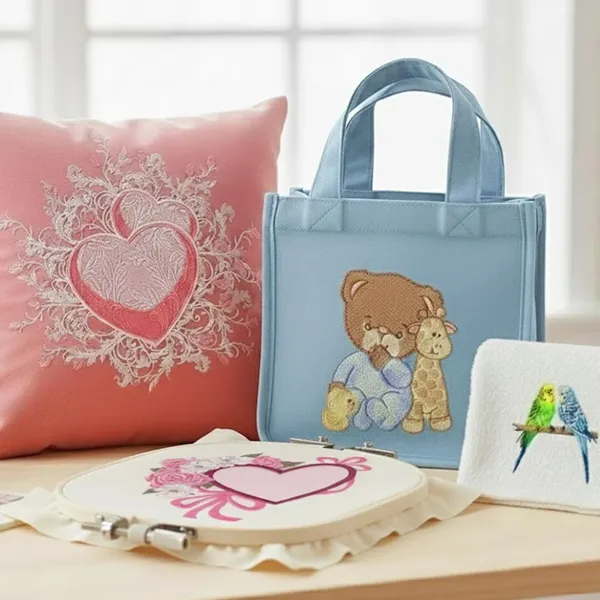
The best family sewing projects are usually small, forgiving, and useful. They give children a chance to learn patience and basic hand skills without making the activity feel like a lesson. Parents can guide the process, but the finished piece should still feel like something the child helped create.
Why Sewing Is a Great Family Activity
Sewing brings together creativity and practical skills. Kids get to see how a flat piece of fabric can become something they can wear, use, or give as a gift.
It also teaches planning. Before sewing begins, families can talk about colors, fabric choices, size, and the order of each step. That small amount of preparation helps children understand how projects come together.
Another benefit is that sewing does not require a screen. It gives everyone a hands-on activity that encourages conversation, focus, and teamwork.
Start With Simple Supplies
You do not need a fully equipped sewing room to get started. Begin with a small kit that covers the basics.
Useful supplies include:
- Fabric scraps in different colors and textures
- Child-safe scissors for younger helpers
- Needles and basic sewing thread
- Fabric markers or washable chalk
- Pins or clips
- A ruler or measuring tape
- Buttons, ribbon, felt, and simple trims
A sewing machine can be helpful, but it is not required. Many beginner projects can be completed with hand stitches, especially when children are learning.
Choose Easy Fabrics
Cotton is one of the best materials for family crafts. It is easy to cut, simple to sew, and available in many patterns.
Felt is another good choice because the edges do not fray. That makes it ideal for younger children who want quick results without complicated finishing.
Avoid slippery or stretchy fabrics at first. They can shift while cutting and sewing, which may frustrate beginners.

Make Simple Fabric Bookmarks
Fabric bookmarks are a good first project because they are small and useful. Cut two matching rectangles, place them together, and stitch around the edges.
Children can decorate the front with initials, small felt shapes, buttons, or fabric markers. A ribbon sewn into the top adds a nice finishing touch.
This project also works well for handmade gifts. Kids can make several bookmarks for teachers, grandparents, or friends.
Create Easy Drawstring Bags
A small drawstring bag teaches a few basic sewing steps without being too difficult. Use it for toys, craft supplies, game pieces, or small travel items.
Start with a rectangle of cotton fabric. Fold the top edge down to create a channel for the cord, then sew the sides together.
Once the bag is turned right side out, thread ribbon or cord through the top. Children can personalize the bag with patches, stamps, or fabric paint.
Keep the Size Manageable
Smaller bags are easier for beginners. A finished size around six to eight inches wide is large enough to be useful but small enough to complete in one sitting.
Finishing a project quickly helps children stay interested. Long projects can feel overwhelming when someone is just learning.
Turn Fabric Scraps Into Bunting
Fabric bunting is a simple way to use leftover material. Cut triangles from different fabrics, then attach them to ribbon or bias tape.
The pieces do not have to match perfectly. In fact, mixed colors and prints often make the finished decoration more interesting.
Families can hang bunting in a playroom, bedroom, craft area, or for a birthday celebration. Seasonal colors can also turn it into an easy holiday decoration.
Sew Small Pillows Together
A basic pillow is another beginner-friendly project. Start with two squares of fabric and sew around three sides.
After adding stuffing, close the final side with a simple hand stitch. Children can decorate the fabric before sewing with safe fabric markers or iron-on shapes.
For younger kids, adults can handle the machine sewing while children help with stuffing and decoration.
Let Kids Make Creative Choices
Family crafts are more enjoyable when children have some control over the project. Let them choose colors, decorations, or the purpose of the finished item.
The goal does not need to be perfect stitching. A slightly crooked seam or mismatched button can make the project feel more personal.
Parents can step in when safety or difficult sewing is involved, but leaving room for small mistakes helps children build confidence.
Conclusion
Simple sewing and fabric crafts give families an easy way to create something together. The projects do not need to be complicated or perfect to be meaningful.
Start with easy materials, small projects, and plenty of room for creativity. Over time, children can build real sewing skills while making useful items and happy memories along the way.
Frequently Asked Questions
What Are the Best Beginner Sewing Projects for Kids?
Fabric bookmarks, felt ornaments, and small pillows are good beginner projects because they use simple shapes and basic stitches.
What age can children start sewing?
Many children can begin simple hand sewing around ages five to seven with close adult supervision. Readiness depends on patience, coordination, and comfort using a needle.
Do families need a sewing machine?
No. Hand sewing works well for many small crafts. A machine can make larger projects faster, but it is not necessary for beginners.
Which Fabrics Are Easiest for Kids to Sew With?
Cotton and felt are usually the easiest choices. They are simple to cut, easy to handle, and less frustrating than slippery or stretchy materials.




Comments 0
Leave a CommentSend Comment
Anda harus Login terlebih dahulu untuk dapat memberikan komentar.